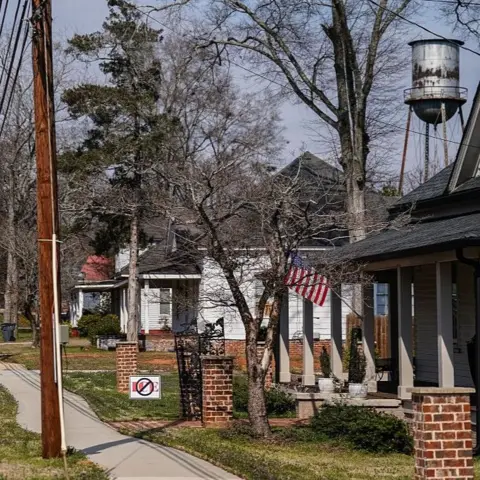
In a surprising twist, the small farming town of Social Circle, Georgia, has become an unexpected front in the fight against Immigration and Customs Enforcement (ICE) plans to establish a large detention center. Across political divides, residents have united in their resistance to a facility that they believe would overwhelm their local resources and dramatically change the character of their community.
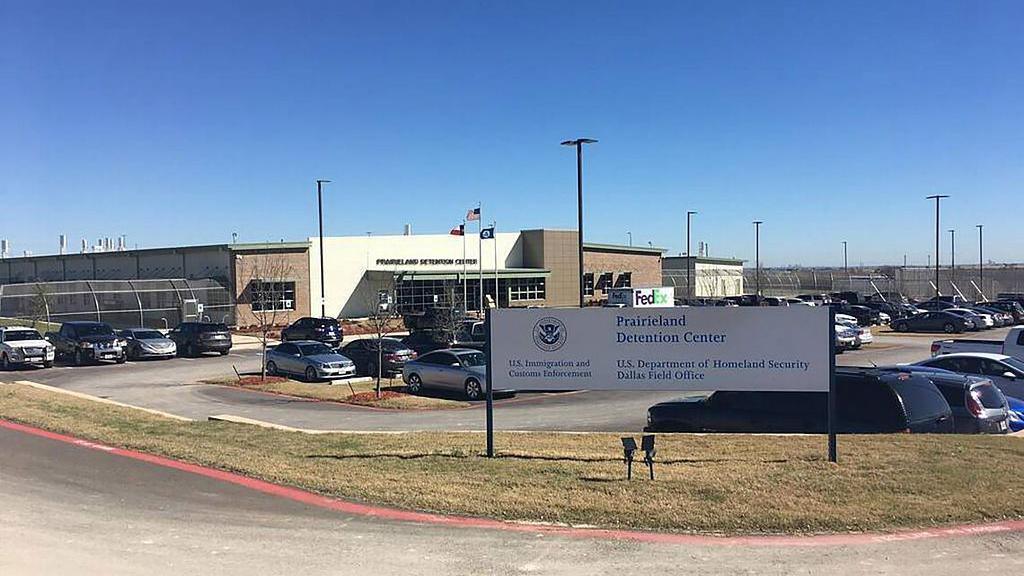
For months, local leaders Gareth Fenley, a Democrat, and John Miller, a conservative, have driven several miles daily to a large empty warehouse recently acquired by the U.S. Department of Homeland Security (DHS). Their mission: to ensure it remains untouched by incoming construction crews. The abandoned facility is part of a larger, controversial $38.3 billion plan to open numerous immigration detention centers around the country.
Community concerns have led to a strong grassroots response, with local residents expressing fears about the impact of transforming the quiet town into a 'prison town'. \u201cThe message is simple, it’s not welcome here,\u201d said Fenley. This sentiment echoes the fears shared by many that housing thousands of detainees could stretch the already brittle resources of Social Circle, which has a population of just around 5,000.
The dire warnings have prompted City Manager Eric Taylor to cut off water services to the site, citing the potential strain on the town's water supply system. This action has temporarily paused the development plans, leading residents to express cautious optimism about the future.
Social Circle's historic reliance on its groundwater resources has raised alarms about how the proposed facility would draw water and the impact on the existing fragile infrastructure that has been in need of upgrades for decades. City leaders reflect a common plea: the need for transparency and involvement from communities directly affected by such federal plans.
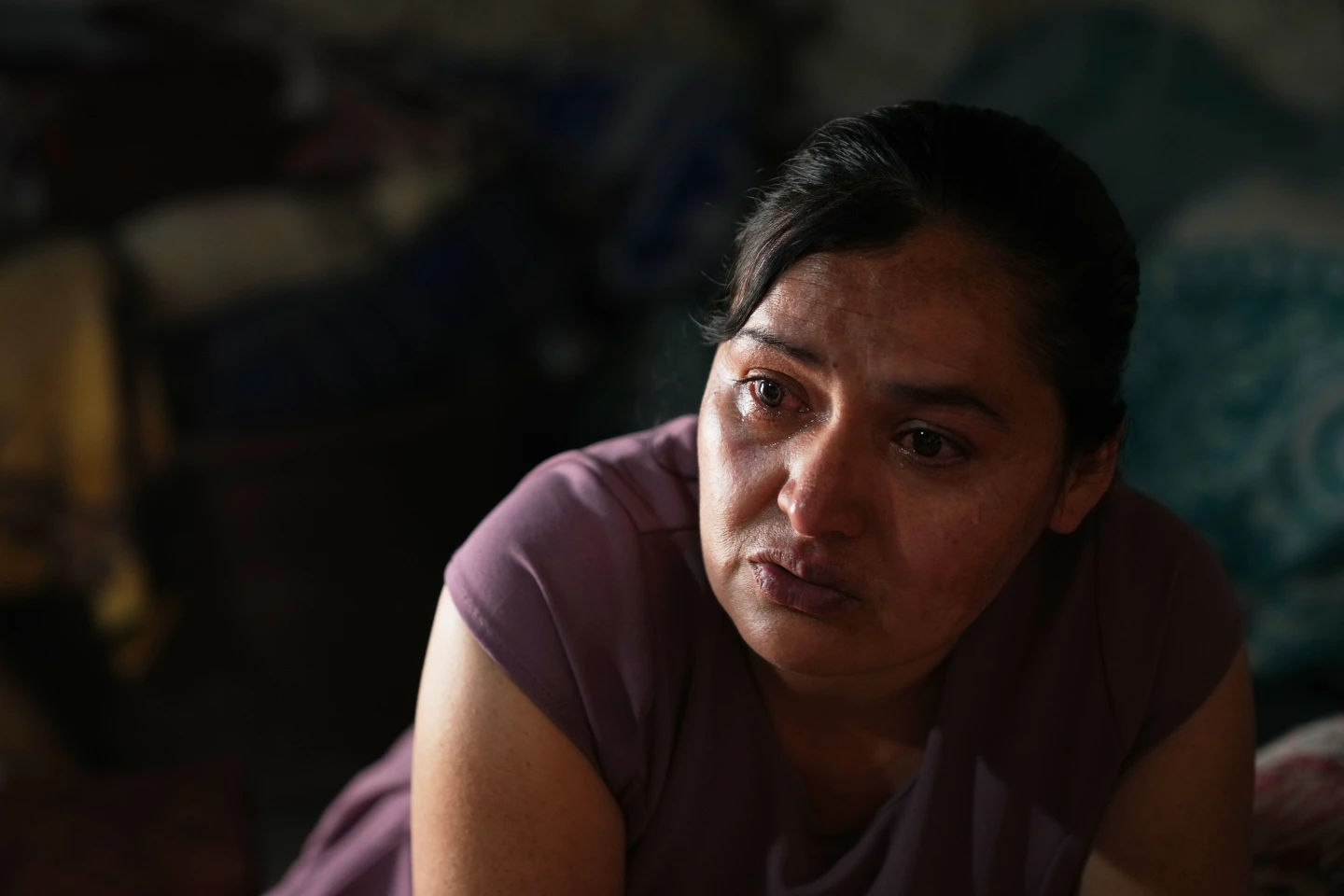
Local voices like Miller and Walthart raise strong concerns not just about infrastructure, but about human rights implications of mass detentions. Reports of mistreatment in existing centers add weight to their fears about the treatment of detainees within their community.
The displacement of resources, redefinition of town priorities, safety for children near the facility, and the overall image of Social Circle have ignited a passionate response. City officials expressed hopes of slowing down the project through legal and political channels, as the community stands ready to collaborate with leaders on both sides of the aisle to reevaluate the proposals.