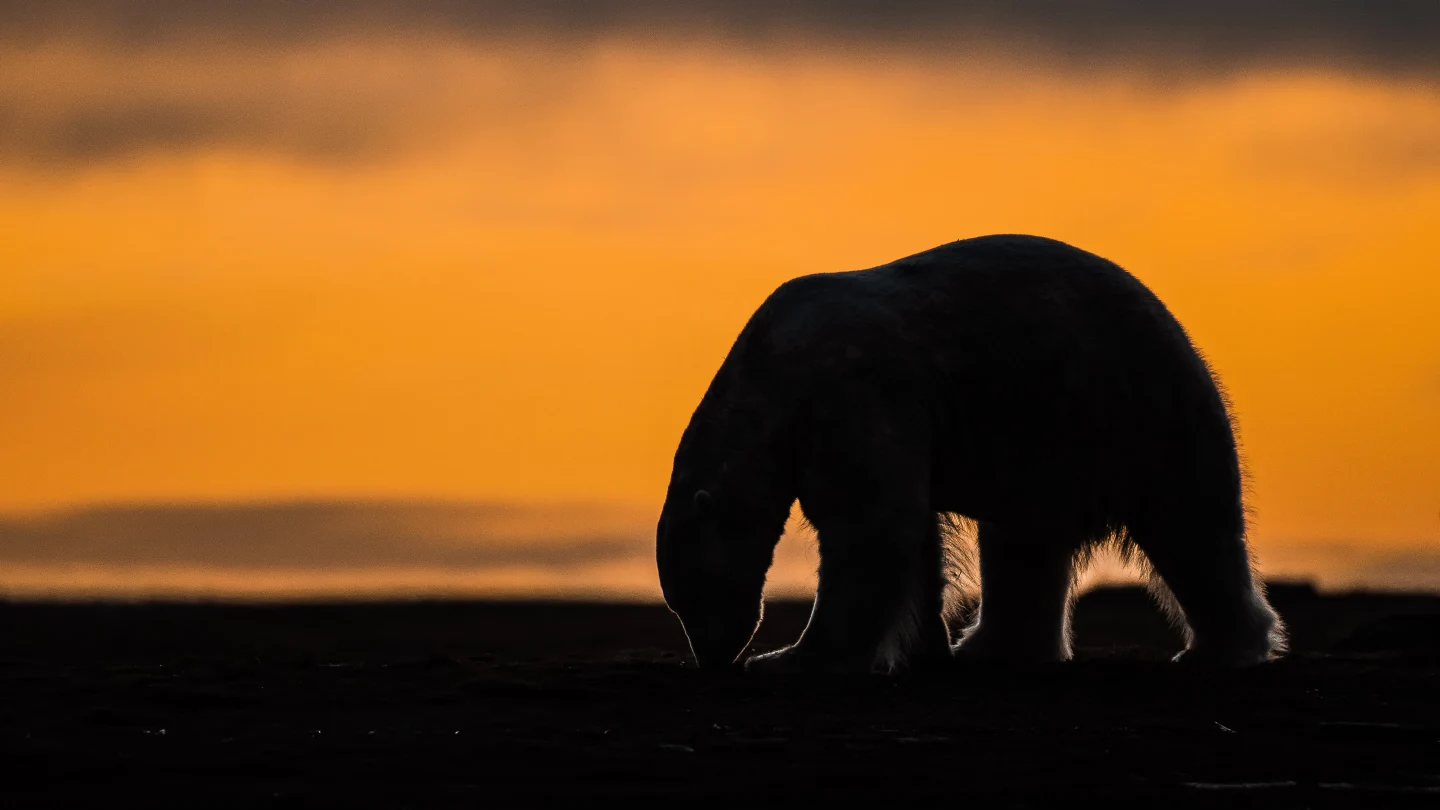
Every summer, Kaktovik, Alaska, witnesses a majestic gathering of polar bears as they congregate outside the village to feast on whale carcasses. This spectacle, often drawing tourists keen to witness these magnificent creatures before climate change potentially eradicates them, faced challenges following the COVID-19 pandemic.
Previously bustling with tourism, Kaktovik's polar bear viewing business dwindled as federal regulations sought to protect both the ecosystem and its residents from the overwhelming influx of visitors. Locals raised concerns about safety and wells being impacted by an influx of tourists.
Now, as officials from the U.S. Fish and Wildlife Service and Kaktovik leaders negotiate how best to reopen tourism in a manner that reflects indigenous values and priorities, local advocates are eager to revitalize the industry while preserving the delicate balance between wildlife and community interests.
One proposal under consideration is to limit how long tourist boats can remain near the bears, hoping to foster natural wariness in wildlife and minimize human-bear encounters. Previous years reportedly saw increased negative interactions due to bears becoming too acclimated to human presence.
As Kaktovik prepares to potentially welcome tourists back as soon as 2027, community leaders envision a future where educational experiences coexist with cultural reverence, ensuring visitors leave with a greater understanding of the land and its people—making for a mutually beneficial relationship with nature.