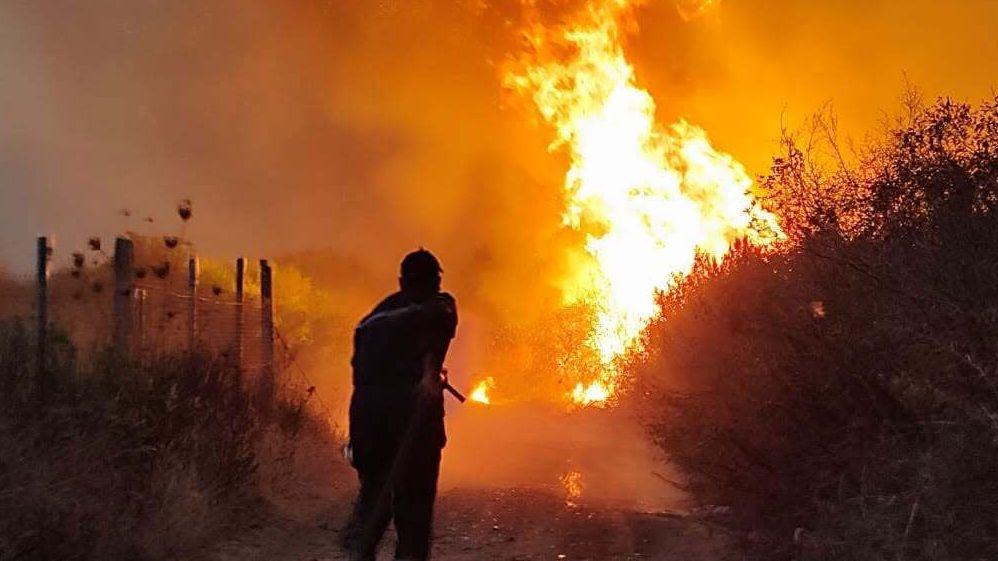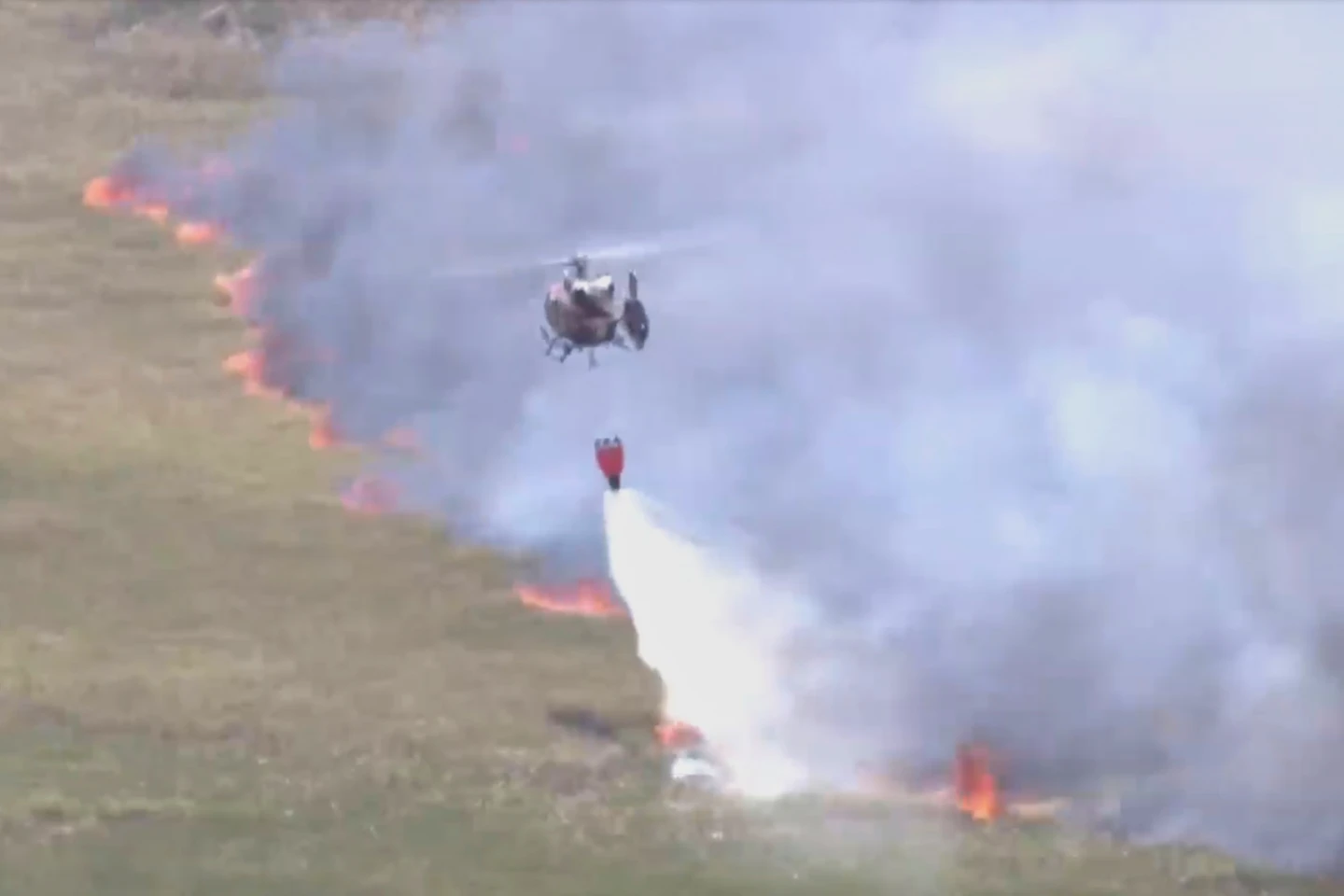
NAHUNTA, Ga. (AP) — Wildfires burning across the southeastern U.S. were intensifying on Wednesday after destroying nearly 50 homes in Georgia and forcing evacuations and school closures in various communities.
Some of the largest wildfires were reported along Georgia’s coast and surrounding Jacksonville, Florida, a region currently facing one of its worst fire seasons in decades. Although the exact causes of the fires remain unclear, prolonged drought, low humidity, and strong winds are rapidly escalating the situation.
Georgia’s major wildfires have covered over 31 square miles (80 square kilometers), with at least four additional smaller fires reported statewide. The affected regions are under exceptional or extreme drought, marking the most severe category, according to the U.S. Drought Monitor.
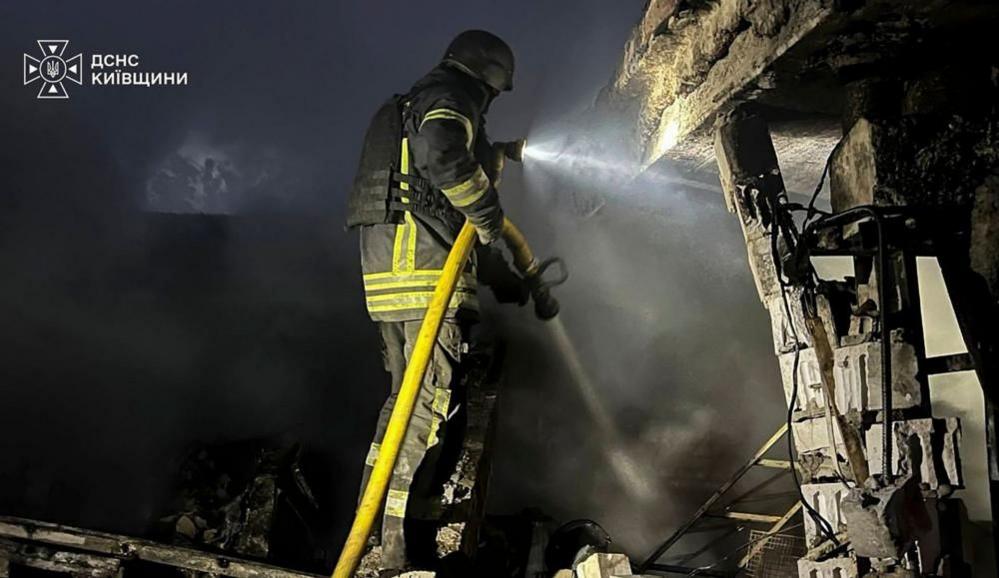
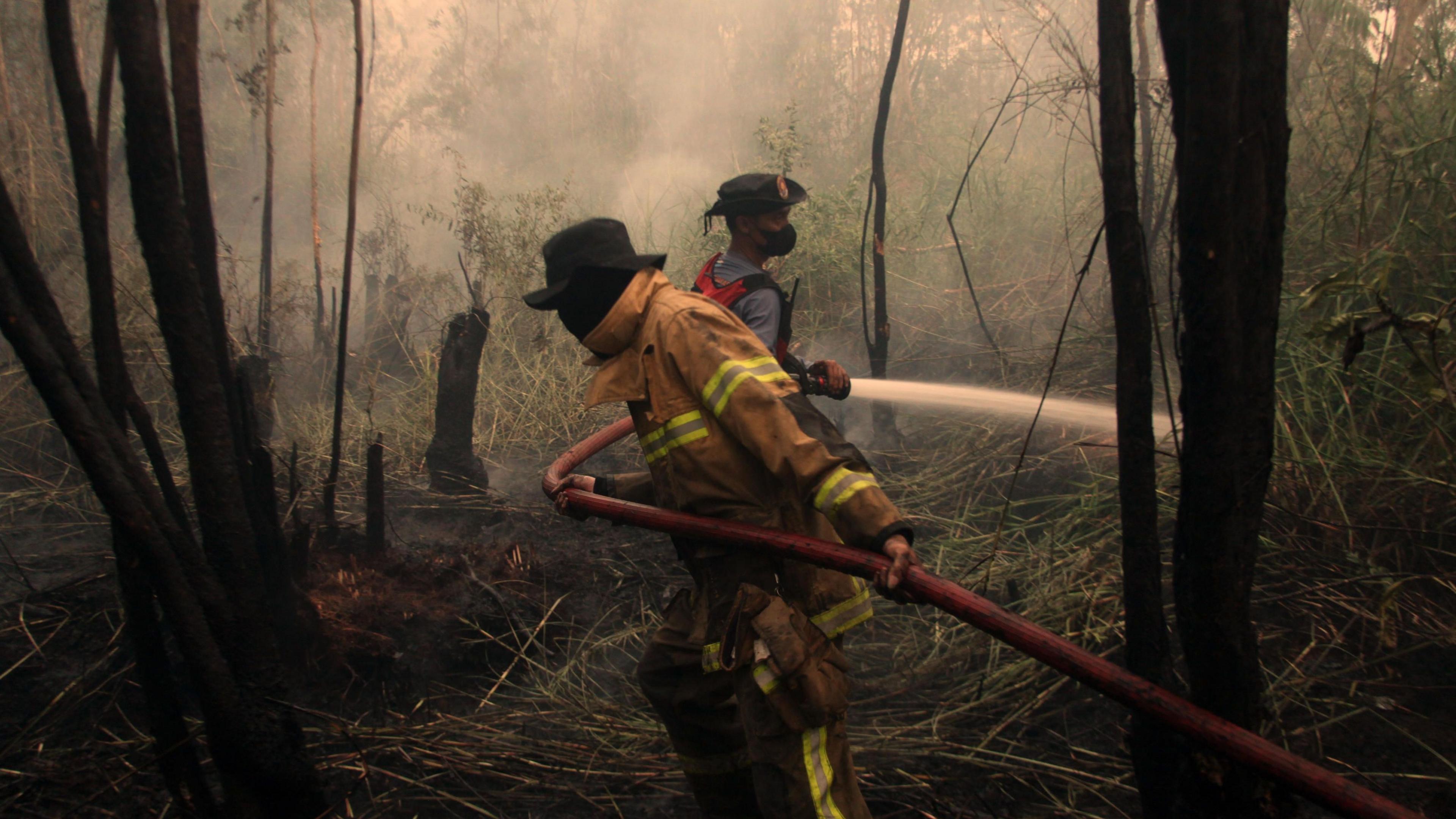
In southeast Georgia, the Brantley County fire, which consumed 47 homes just a day prior, was rapidly threatening further properties. County manager Joey Cason indicated that the fire expanded sixfold within half a day, prompting nearly two dozen fire agencies to engage in combatting the flames.
Brantley County Sheriff Len Davis emphasized the need for residents to prepare for potential evacuations, noting the unpredictability of wind shifts. So far, 800 evacuations have occurred in the county, with five shelters established to assist affected residents, according to FEMA.
Another significant fire outbreak in Clinch County also induced evacuations across multiple communities. Tim Lowrimore, President & CEO of the Georgia Forestry Association, referred to the situation as serious and evolving.
Meanwhile, in Florida, firefighters faced 131 wildfires across the state, totaling 34 square miles (88 square kilometers) primarily affecting northern areas. Official responses included staging firefighting equipment statewide to optimize resource deployment.
State officials acknowledged that Florida is experiencing its most challenging fire season in roughly 30 to 40 years, marked by a relentless 18-month drought.
Smoke from the blazes has drifted as far as Atlanta, Savannah in Georgia, and Jacksonville in Florida, resulting in visibly declining air quality in several regions of southern Georgia which reached unhealthy levels. Residents have been advised to stay informed and take precautions as conditions are expected to worsen throughout the week.
The National Weather Service has warned that the combination of low humidity and strong winds will elevate fire danger levels for the remainder of the week.
The ongoing fires pose significant risks, severely impacting local air quality and threatening more evacuations as conditions develop.