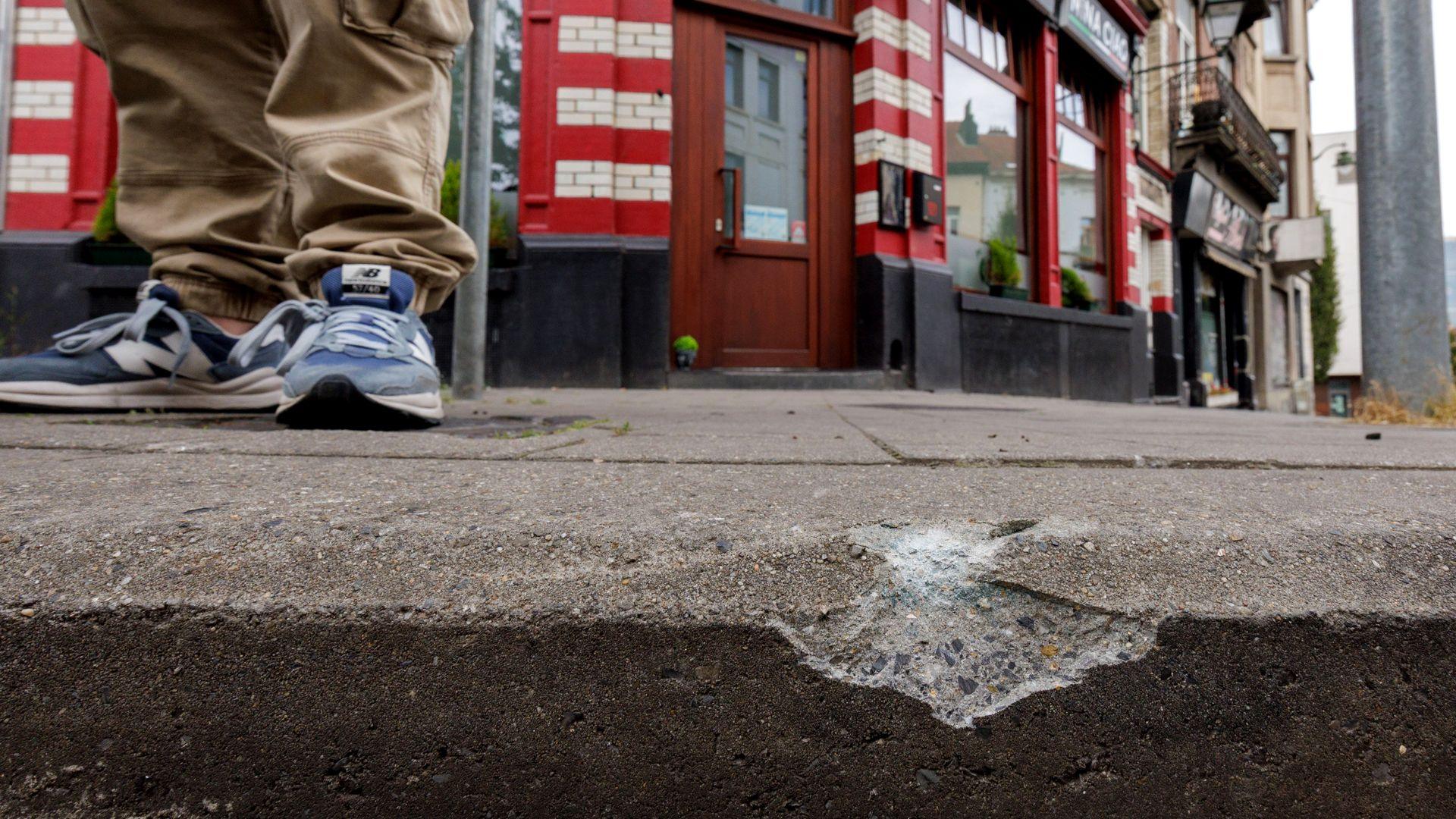
After a night of gunfire in Brussels, a local pizzeria became the backdrop for a new wave of violence linked to drug gang activity. A shooting on a terrace outside Salvatore’s pizzeria left bullet traces across the building and rattled nearby residents. Salvatore, a regular visitor, says the violence feels like a movie, adding that the attacks are escalating around the area. The incident follows a suspected drug dealer being shot in the leg the previous day.
In the heart of the city’s St‑Gilles neighbourhood, over 65 shootings have already been recorded this year. The police chief, Jurgen de Landsheer, estimates more than 200 active drug points across Brussels, each generating up to €50,000 a day. He warns that young offenders, some as young as twelve, are increasingly involved in deadly confrontations.
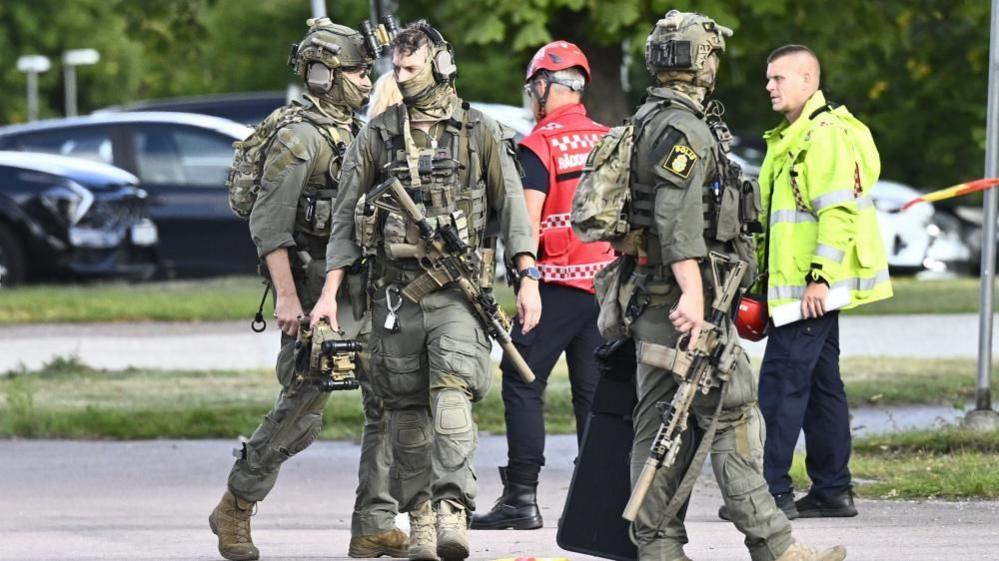
“There is no magic solution,” de Landsheer tells reporters, urging a shift towards prevention rather than mere repression. He stresses the need for social programmes to offer young people alternative futures. Brussels’ interior minister has announced the deployment of an additional 40 police officers to the most affected zones, yet de Landsheer cautions that police alone cannot quell the threat.
The spike in shootings is also echoing larger European trends, with the port of Antwerp—a key entry point for cocaine—seeing record seizures in recent years. Residents like 70‑year‑old Murielle, who has witnessed drug deals on her street for decades, hope for safety and community cohesion. She recalls that in the past, even the local dealers were decent, but now “they’re not.”