Guinea‑Bissau Referendum Expands Presidential Powers Amid Political Turmoil
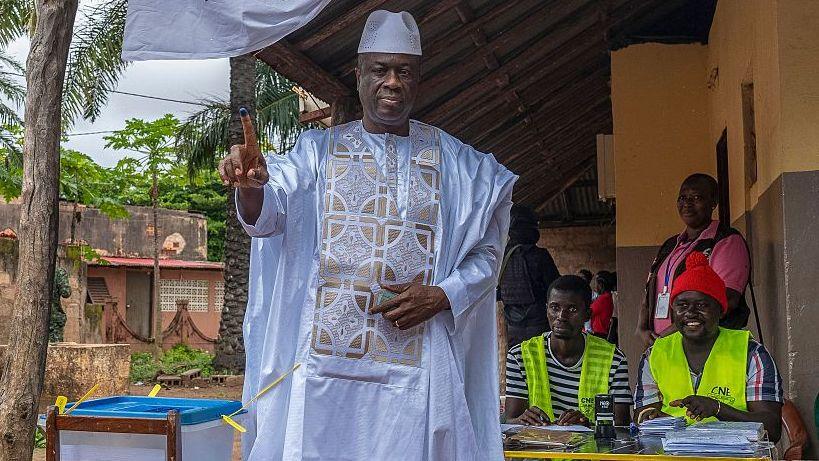
A new constitution has been approved by voters in Guinea‑Bissau that significantly bolsters the presidential office, a change that comes as the country prepares for national elections later this year. The referendum, staged by the military junta that seized power in November after a contested election, sparked a boycott from the main opposition party, the African Party for the Independence of Guinea and Cape Verde (PAIGC).

The constitution gives the president the authority to appoint and dismiss the prime minister and cabinet, create or abolish ministries, and dissolve parliament if a severe political crisis arises. Such powers are a considerable shift from the previous semi‑presidential system where the legislature elected the prime minister from the parliamentary majority.
Provisional results showed 70 percent of voters endorsed the changes, while 30 percent opposed them. Turnout was reported at nearly 60 percent, though critics claim many registered voters abstained.
The PAIGC, led by Domingos Simões Pereira, argued that the amendments risk turning the presidency into an “emperor’s throne” and threatened to undermine democracy. The party called for a referendum boycott and warned that the election’s legitimacy was compromised by the junta’s opaque process.
The new charter also reduces parliamentary seats from 102 to 65 and cuts constituencies from 29 to 12, while establishing a five‑year term and a two‑term limit for presidents. It introduces a new eligibility requirement—candidates must have lived continuously in Guinea‑Bissau for five years before the election.
Guinea‑Bissau’s history of coups—a total of at least nine since 1974—follows a pattern of political instability in the region. The country has also been labeled a “narco‑state” by the UN, given its strategic coastline that facilitates drug trafficking.
The military junta’s claim of restoring civilian rule hinges on the December elections, which will test whether the expanded presidential powers will bring stability or deepen authoritarian control. Regional bodies such as ECOWAS have urged intervention, citing their rules against constitutional amendments within six months of an election.
As Guinea‑Bissau stands at a crossroads, the international community watches closely to see if the referendum’s promise of order translates into genuine democratic governance or further entrenches the junta’s dominance.