NEW YORK (AP) — A federal judge affirmed New York's Green Light Law on Tuesday, allowing the state to continue issuing driver's licenses to individuals without requiring proof of legal immigration status. U.S. District Judge Anne M. Nardacci's ruling rejected the Trump administration’s efforts to halt the law, determining that the administration failed to establish its claims that the law oversteps federal authority.
The law, which has been in place since 2019, aims to enhance public safety by encouraging all drivers, regardless of immigration status, to obtain valid licenses and insurance. This ruling follows a lawsuit from the Justice Department that framed the law as a violation of federal immigration laws.
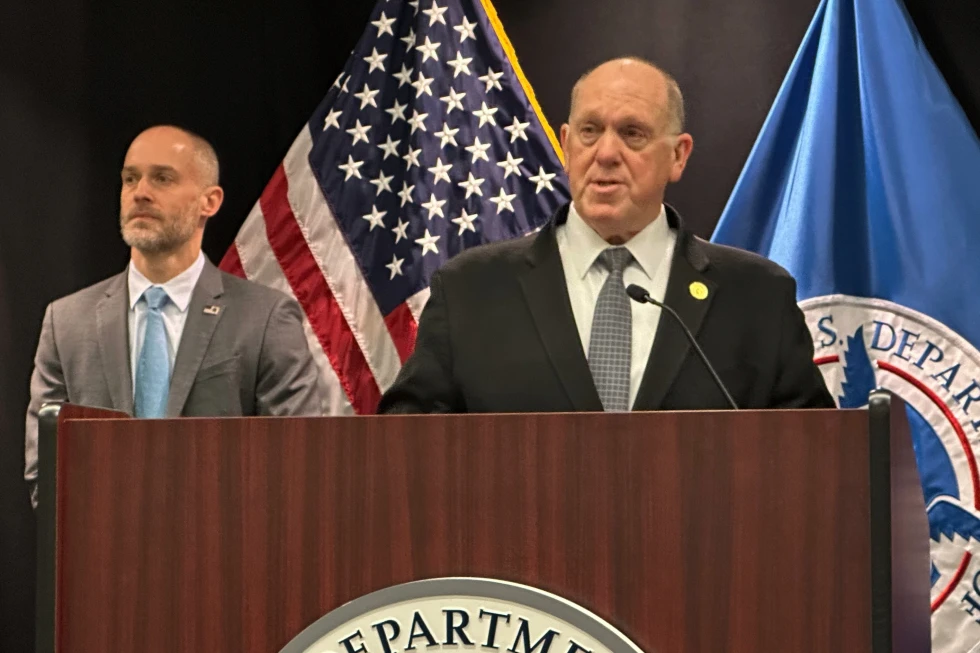
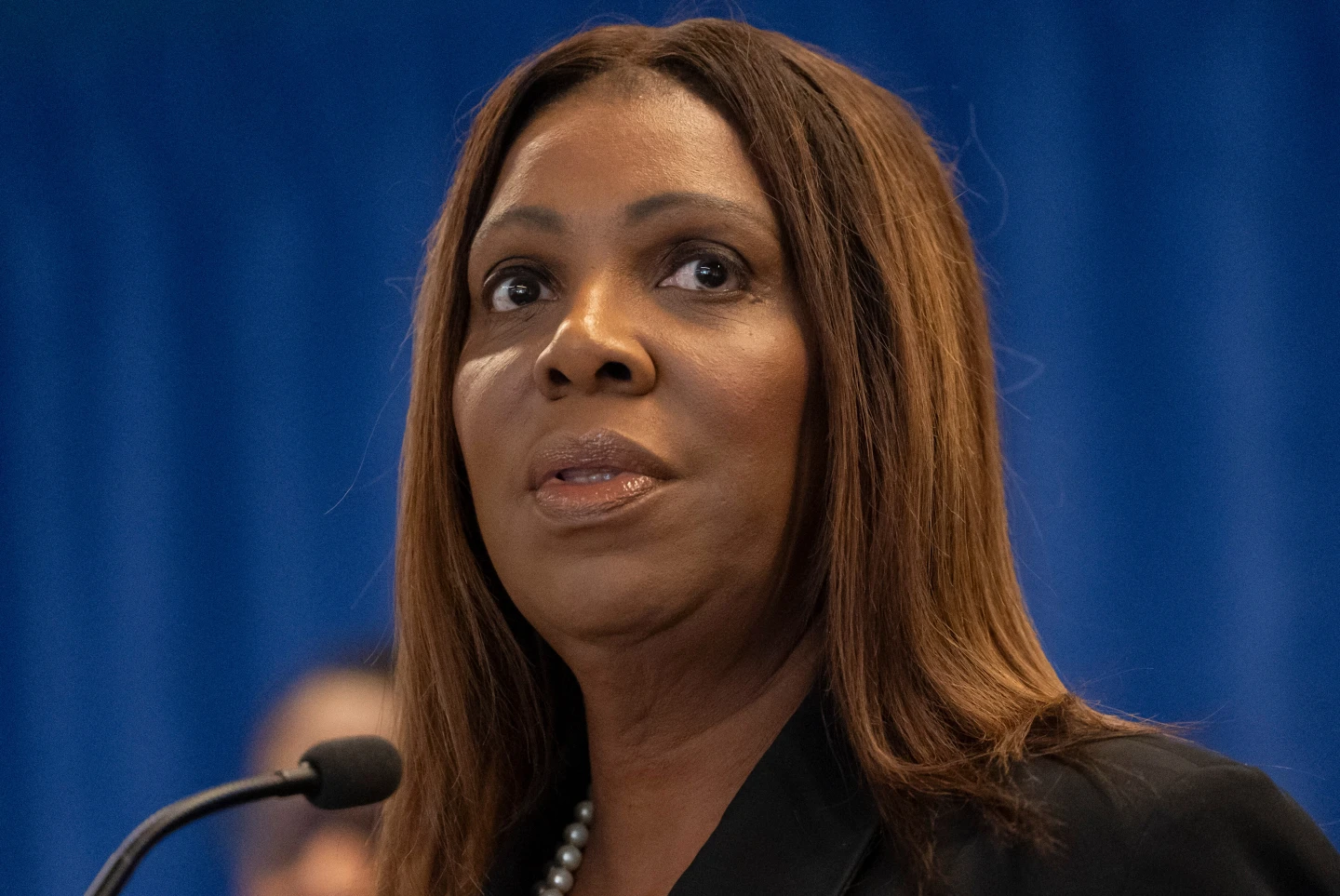
At a press conference announcing the lawsuit, U.S. Attorney General Pam Bondi criticized the law, arguing that it prioritized “illegal aliens over American citizens.” However, Attorney General Letitia James defended the law, stating it protects the rights of all New Yorkers and enhances community safety.
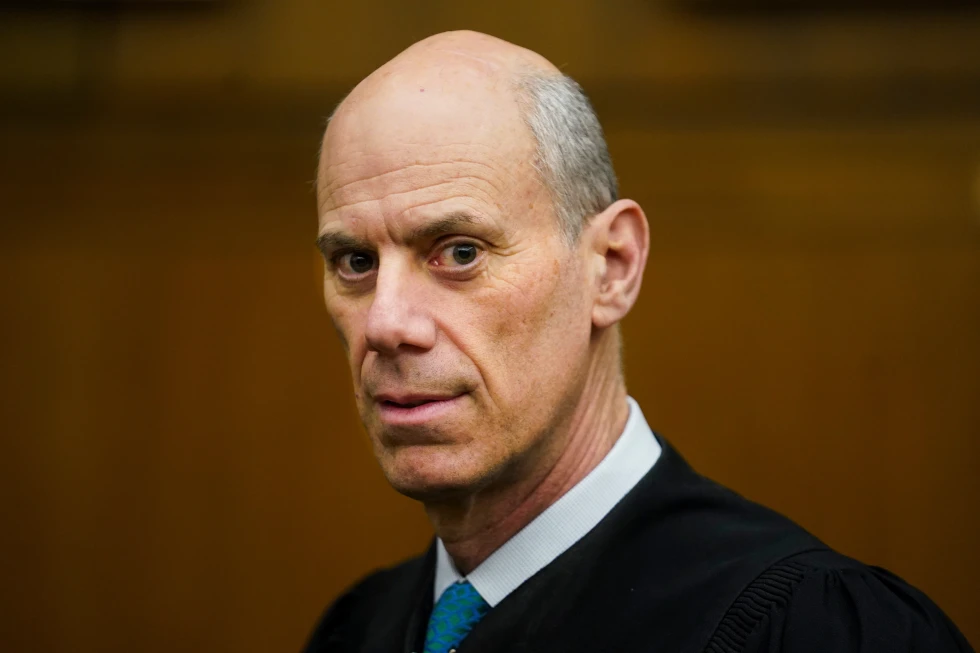
Judge Nardacci, appointed by President Biden, clarified that her role was not to weigh the law's policy implications, but rather to assess its alignment with constitutional provisions regarding the supremacy of federal law. She concluded that the Justice Department's claims lacked sufficient legal ground.
To obtain a driver's license under the Green Light Law, applicants can provide alternative forms of identification, including valid passports and driver’s licenses from other countries. Existing procedures still require individuals to obtain a permit and pass a road test.
Furthermore, the law was designed to reduce the number of uninsured drivers on the road, which has significant implications for public safety. It allows individuals without a Social Security number to acquire a license, thereby facilitating registration and insurance processes.
The ruling marks a significant legal affirmation of state rights amidst ongoing disputes over immigration policy and regulations. It poses broader implications for states seeking to define their immigration policies independently of federal mandates.