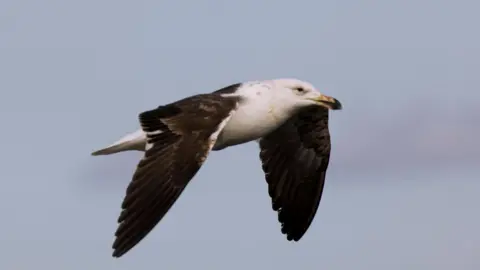
On a small boat in the Atlantic, about 27 nautical miles from South Africa's Cape Point, a group of bird watchers identifies seabirds including the endangered black-browed albatross. The tour highlights the link between fishing activities and the survival of these majestic birds, as they follow trawlers hoping for food scraps. However, this search for sustenance comes at a great cost; many albatrosses fall prey to commercial fishing methods such as long-lining, inadvertently getting caught and drowning.
Tim Appleton, a conservationist, explains that long lines stretching up to 100 kilometers with 4,000 hooks pose significant risks to these birds. The growing threats to albatross populations have prompted organizations like BirdLife South Africa to take action.
Andrea Angel, who leads the Albatross Task Force, points out that of the 22 albatross species globally, 15 are threatened by fisheries. The life cycle of albatrosses complicates their survival, as they mate for life and produce only one egg every two years, making the loss of even a single bird devastating.
To combat bycatch fatalities, BirdLife has introduced bird-scaring lines—essentially nautical scarecrows that deter albatrosses and other seabirds from fishing nets. These lines are crafted by disabled members of the Ocean View Association for Persons with Disabilities, providing them with both purpose and economic support.
Despite challenges, the collaboration has resulted in a remarkable 90% reduction in seabird mortality in southern African fisheries since the program's inception. As these initiatives continue to expand, there is hope that the albatross and other endangered seabirds can thrive alongside the fishing industry, ensuring future generations can witness their grace in the skies.
Tim Appleton, a conservationist, explains that long lines stretching up to 100 kilometers with 4,000 hooks pose significant risks to these birds. The growing threats to albatross populations have prompted organizations like BirdLife South Africa to take action.
Andrea Angel, who leads the Albatross Task Force, points out that of the 22 albatross species globally, 15 are threatened by fisheries. The life cycle of albatrosses complicates their survival, as they mate for life and produce only one egg every two years, making the loss of even a single bird devastating.
To combat bycatch fatalities, BirdLife has introduced bird-scaring lines—essentially nautical scarecrows that deter albatrosses and other seabirds from fishing nets. These lines are crafted by disabled members of the Ocean View Association for Persons with Disabilities, providing them with both purpose and economic support.
Despite challenges, the collaboration has resulted in a remarkable 90% reduction in seabird mortality in southern African fisheries since the program's inception. As these initiatives continue to expand, there is hope that the albatross and other endangered seabirds can thrive alongside the fishing industry, ensuring future generations can witness their grace in the skies.