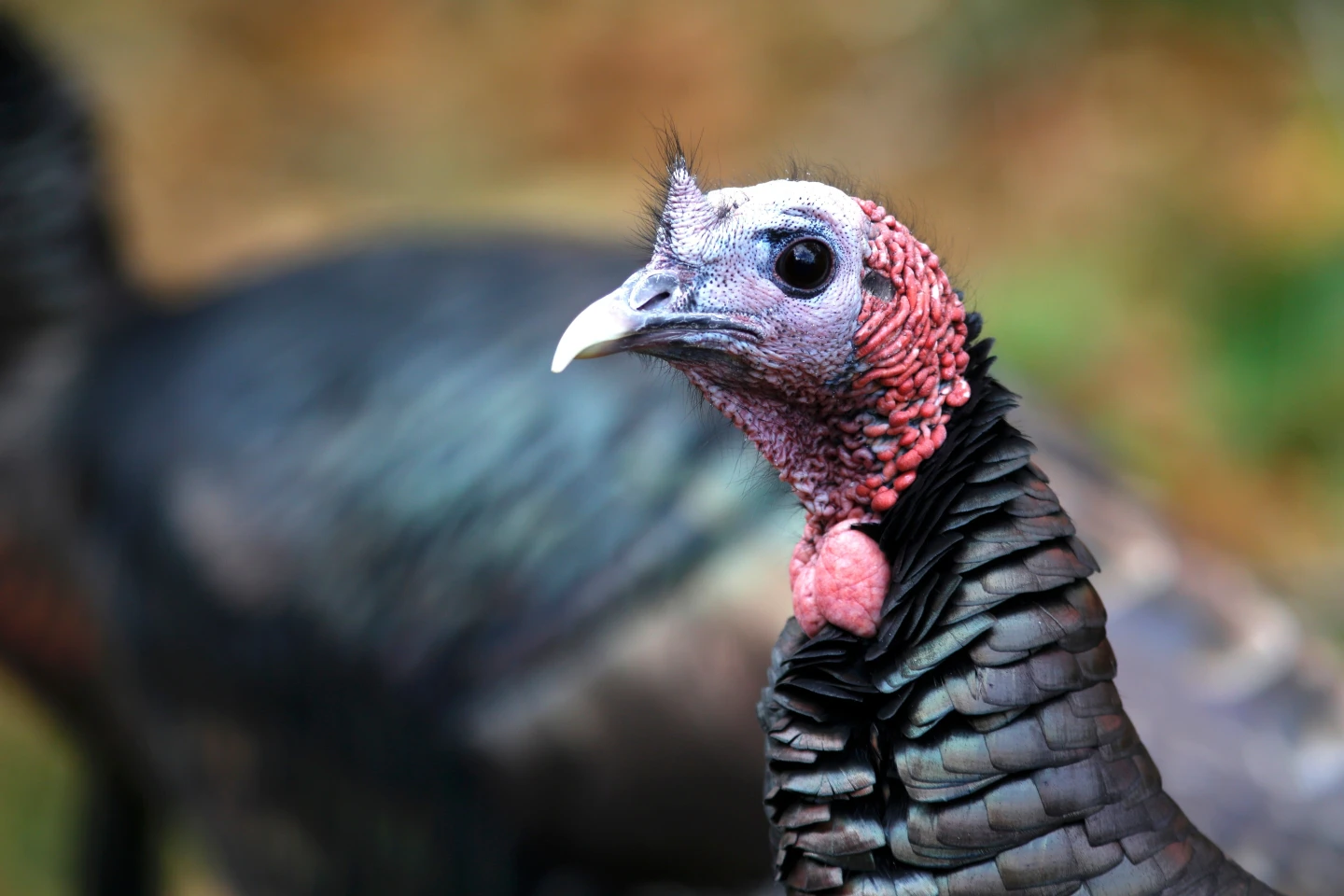
CONCORD, N.H. — Turkey trades may sound odd, but they formed an extraordinary aspect of conservation in North America. Once dwindling to a mere few thousand wild turkeys by the late 19th century, the resurgence to about 7 million today showcases the success of unconventional wildlife exchanges.
The National Wild Turkey Federation notes a fascinating history where trading turkeys for various wildlife species was a common practice aimed at restoring populations. Oklahoma traded walleye and prairie chickens for turkeys from Arkansas and Missouri. Similarly, Colorado exchanged mountain goats for Idaho’s turkeys, while Ontario received 274 turkeys from states like New York and New Jersey, offering moose and river otters in return.
“Wildlife biologists don’t suffer from a lack of creativity,” expressed Patt Dorsey, director of conservation for the federation’s western region, emphasizing the innovative strategies used to bring the turkey population back.
West Virginia stood out as a notable contributor, sending turkeys away in exchange for other sought-after species. In 1969, the state traded 26 turkeys to New Hampshire for 25 fishers, a small carnivore once valued for its pelt. Further trades included otters and bobwhite quail, which facilitated shared restoration efforts among states.
“They were like our currency for all our wildlife that we restored,” remarked Holly Morris, furbearer project leader at West Virginia's Division of Natural Resources.
Turkeys were once abundant until the mid-1800s when unregulated hunting and habitat destruction pushed them toward extinction. Early attempts to raise turkeys on farms for reintroduction failed, as domesticated birds struggled in the wild. Results improved when biologists began capturing wild turkeys for relocation to boost dwindling populations.
Today, thanks to these innovative strategies, New Hampshire's turkey population has reached around 40,000, significantly surpassing initial expectations post-reintroduction. Biologist Dan Ellingwood notes that the birds have adapted excellently, thriving amidst changing winter conditions and landscape.
Turkeys play a vital role in the ecosystem as both predator and prey, drawing many hunters and enthusiasts while serving as a crucial part of wildlife management and restoration. Dorsey adds that “a lot of good work gets done on the back of the wild turkey,” highlighting their role in wider conservation efforts.