As discussions intensify in Congress, the potential ramifications of a funding lapse at the Department of Homeland Security (DHS) are growing increasingly clear. House officials testified recently that the delay in federal funding could lead to significant disruptions across various sectors.
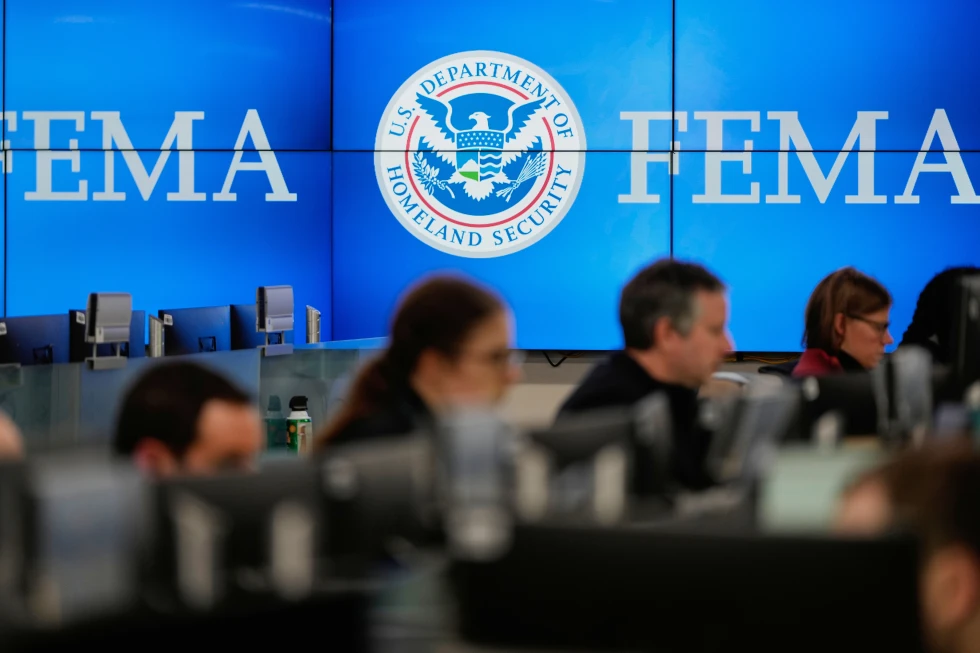
Among the most pressing concerns are the repercussions for disaster relief efforts, where agencies could face severe delays in reimbursement for costs incurred during emergencies. Additionally, the flow of resources for cybersecurity training and response could be impeded, raising vulnerabilities to ongoing threats.
Airport security, a critical component of national safety, may also bear the brunt of this lapse, with missed paychecks potentially leading to unscheduled absences among screening agents. This situation could translate into longer wait times for travelers, impacting the efficiency of operations at busy transportation hubs.
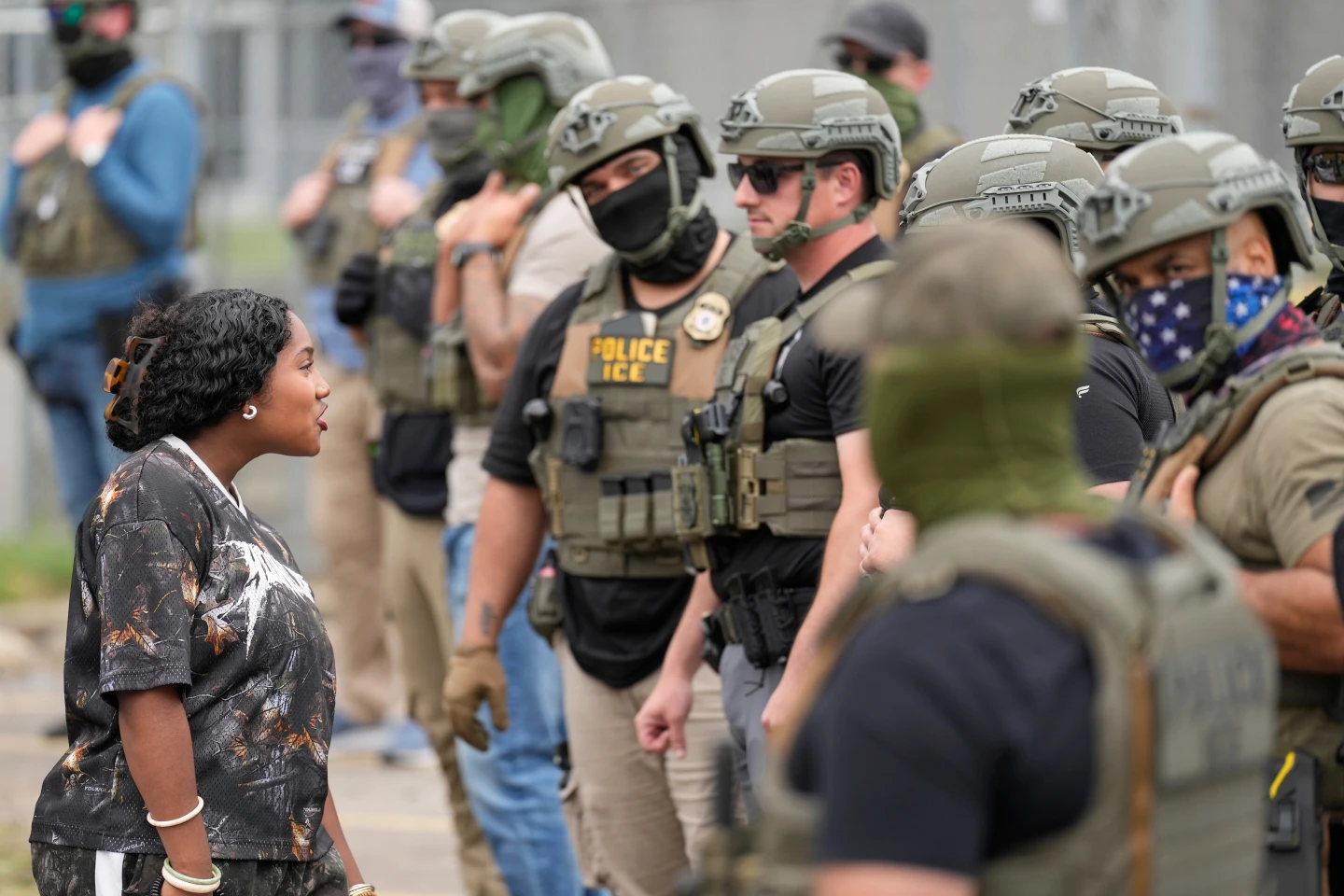
The current funding legislation passed only a short-term extension for DHS, creating a backdrop for heated debates over immigration enforcement refinements. Recent incidents have fueled Democrats’ demands to tie funding to changes in the enforcement practices of immigration agencies.
Finding middle ground in these discussions is proving to be challenging. Officials within the White House maintain that constructive talks are ongoing with both parties and emphasize the need to keep the government operational and services funded.
Despite bipartisan skepticism, the Republicans argue that critical operations, such as removal actions by Immigration and Customs Enforcement (ICE), will continue unabated even during a shutdown. They contend that while essential functions like debris removal and emergency responses will be maintained, the overall morale and recruitment efforts across federal agencies may suffer significantly due to the uncertainties associated with funding.
In light of these discussions, officials are warning about the long-term implications of a lapse in funding. With many employees required to work without pay during a shutdown, concerns are rising about the potential for fallout in recruitment and retention, particularly in departments dealing with crisis management and cybersecurity.
As of now, nearly 90% of DHS’s workforce would remain on duty in the event of a shutdown. However, the psychological toll of financial uncertainty during critical operations may challenge the effectiveness of these services, posing further risks to public safety and preparedness.
Ultimately, lawmakers must reconcile their differing views on immigration and enforcement practices if they wish to avert a funding lapse and its predicted negative consequences. The stakes are high, not only for the agencies and employees directly affected but also for the overall security and resilience of the nation.