Mexican drug cartels outsource meth labs to Nigeria
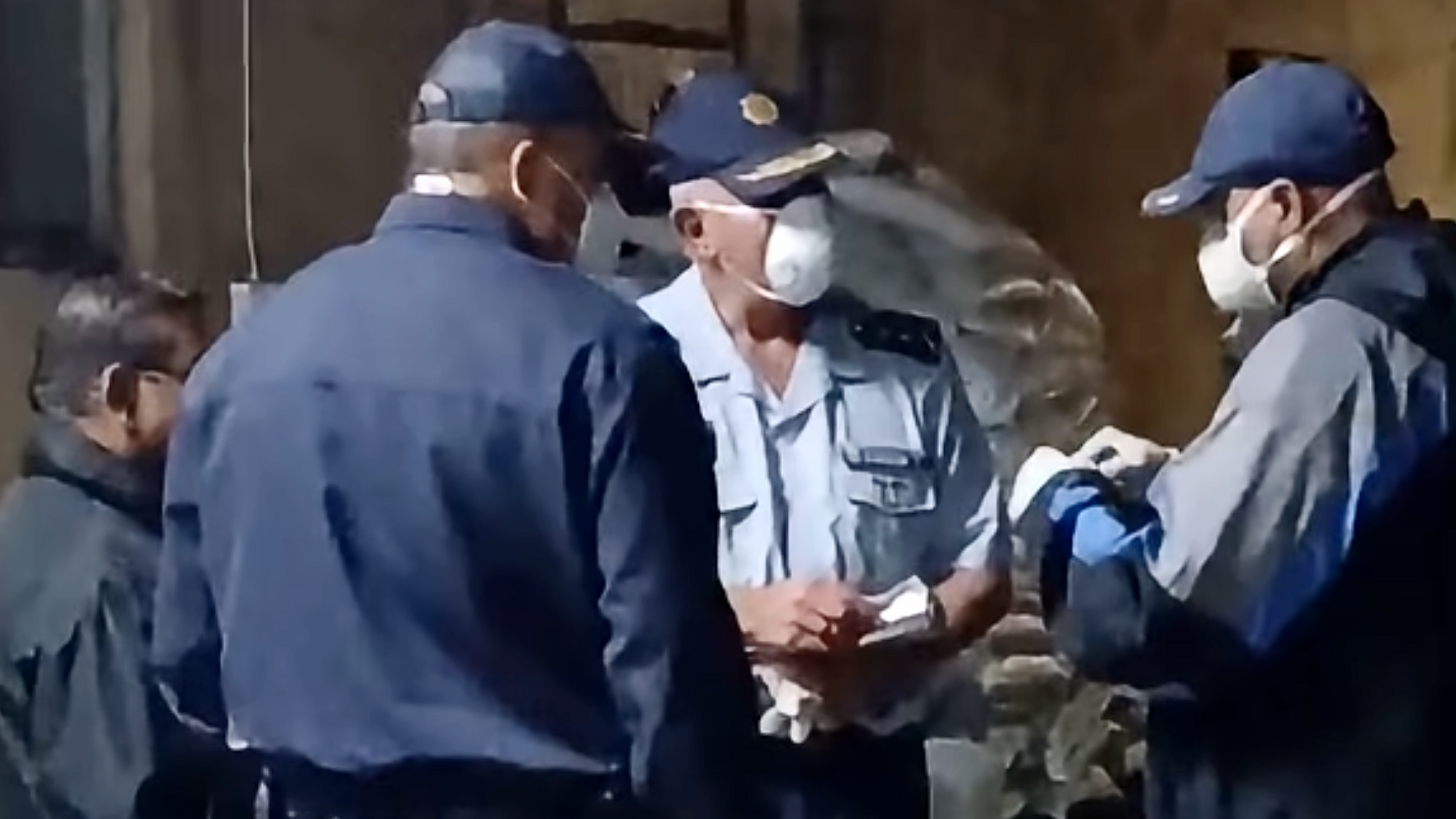
Police investigators entered a dimly lit laboratory deep within a dense forest in Ogun state. They found a large drum of liquid crystal meth and vats of raw, unprocessed meth, along with propane cylinders and caustic soda. Three men from Mexico and seven locals were handcuffed and brought to a makeshift courtroom set up inside the laboratory premises.
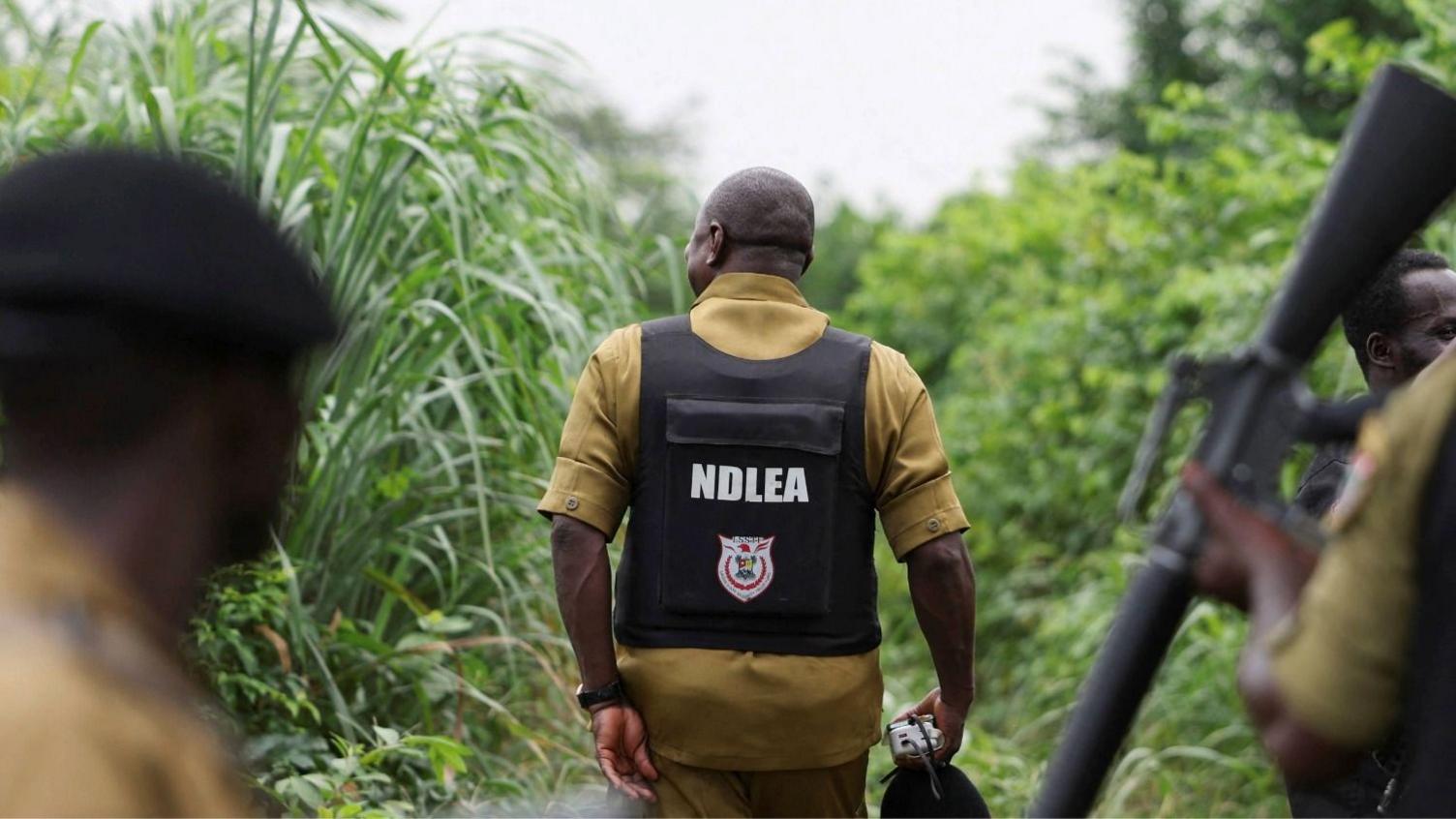
The National Drug Law Enforcement Agency (NDLEA) announced the seizure of more than two tonnes of methamphetamine, valued at about $360 million. It marked the country’s largest-ever drug bust and dismantled a multi‑million‑dollar Mexican‑Nigerian production syndicate linked to the Sinaloa and Jalisco New General Cartels.
In the days that followed, a second laboratory was uncovered in Oyo state, where five suspects were arrested, including a Mexican “cooking” specialist. Investigators say the trend of Mexican cartels establishing production sites in West Africa began in the 1990s but has grown in recent years.
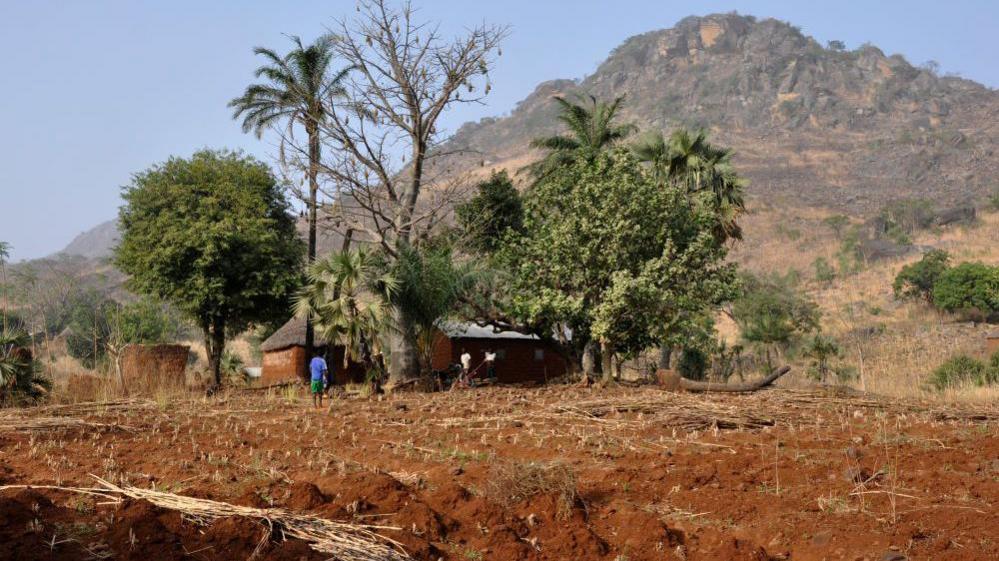
Experts explain that the synthetic nature of meth allows for production in any location with the right chemicals and expertise, making it easier for cartels to scale up operations rapidly. West Africa’s forested hideouts, porous borders, and access to Atlantic shipping routes create an advantageous environment for covering the entire supply chain, from raw chemicals to finished product.
The NDLEA has intensified surveillance and intelligence gathering in Nigeria. Officials claim that the country is unlikely to become a safe haven for cartels, and they are determined to stop the production before it reaches local communities and international markets.