In brief
In recent weeks a wave of sabotage has targeted Flock Safety’s Automatic License Plate Reader cameras across the country, from Houston’s Old Braeswood to Minneapolis and Los Angeles. The incidents highlight growing unease with the national reach of AI‑driven surveillance – a tool hailed for solving crimes but criticised for mass data retention and potential misuse by law enforcement. While Flock claims its technology improves public safety, critics point to privacy breaches, questionable data sharing with immigration agencies and lack of warrant requirements. The surge in vandalism has prompted some cities to cancel contracts and lawmakers to propose tighter regulations on access to surveillance data.
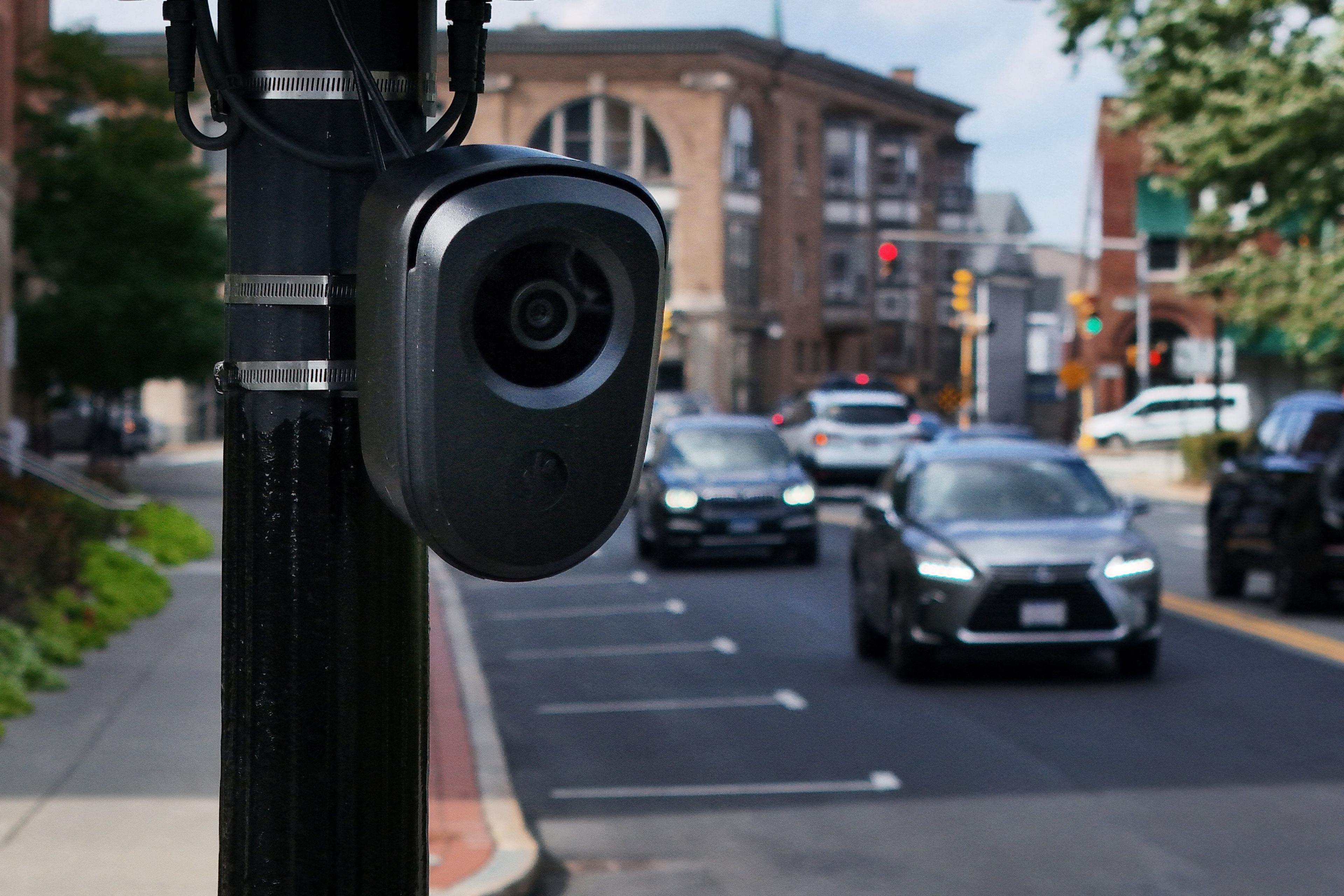
Late July brought a shocking sight to Houston’s affluent Old Braeswood neighborhood: a quartet of Flock Safety surveillance cameras snipped in the night, their black ovals and solar panels littering the street. The same vandalism has been reported in Minnesota, California and Georgia, sparking a national debate about the reach of AI‑powered cameras that can photograph every passing vehicle.
Flock Safety, founded in 2017, has nearly 100,000 cameras worldwide and says it works with over 7,000 US communities. Its Automatic Licence Plate Readers (ALPRs) capture the rear of every car and store footage for an adjustable period, a feature the company markets as essential for crime‑solving. Yet records obtained by the BBC show that the company’s sprawling network can be queried for images using words like “Caucasian man, blue shirt,” bypassing physical licence‑plate identification.
Critics argue that such data can be leveraged as a surveillance weapon, with law enforcement gaining unofficial “warrant” bypasses. A Kentucky officer was recently charged after using Flock to track his ex‑partner over 2,000 times, while a Texas detective searched 80,000 images without a warrant to locate a woman suspected of abortion. The company’s own policies now limit default data retention to seven days, though agencies can opt to keep footage longer.
Beyond privacy, the public perceives these cameras as a visible symbol of state power. In Houston, the Flock network links 35 municipal devices to around 20,000 nationwide cameras, and the Harris County Sheriff’s Office also deploys facial‑recognition software (Clearview AI) that holds over 70 billion images. Although Clearview is banned in several European countries, the county contract runs until 2027.
The surge in vandalism has seen over 200 communities cancel or delay contracts, including large cities like Los Angeles, Seattle and Austin. Congressional bipartisan proposals now call for federal warrants on Flock data access, while the company is pressuring agencies to adhere to newly mandated audits.
Guardian voices echo the sentiment that while technology can rescue missing persons or stop theft, it can equally encroach on civil liberties. An immigrant rights organizer in Houston says the cameras feel like “stalking” and has altered her commute to avoid detection. Flock’s CEO, Garrett Langley, remains tight‑lipped about policy decisions, insisting that cities are free to choose data‑retention lengths and sharing protocols.
The question grows: can society harness AI surveillance to boost safety without eroding trust in privacy? As Flock cameras become more ubiquitous, the conversation about oversight intensifies.
Read more on BBC News