In brief
In Zamfara state, a village attack on the early morning of 27 August 2026 left Fatima’s family dead, revealing the brutal tactics of Nigeria’s growing bandit threat. These perpetrators, now often on motorcycles, simultaneously raid villages, ambush travellers, and kidnap residents for ransom, force‑feeding communities into fear and instability. With violence increasing 78% in the first half of the year, thousands have fled their homes, clustered in makeshift camps like the one in Gusau. While government‑backed vigilantes offer temporary protection, their presence raises concerns over extrajudicial action, as the region struggles to harness a sufficient security response. The crisis illustrates the urgent need for comprehensive, multi‑layered security strategies and humanitarian aid to restore peace to affected communities.
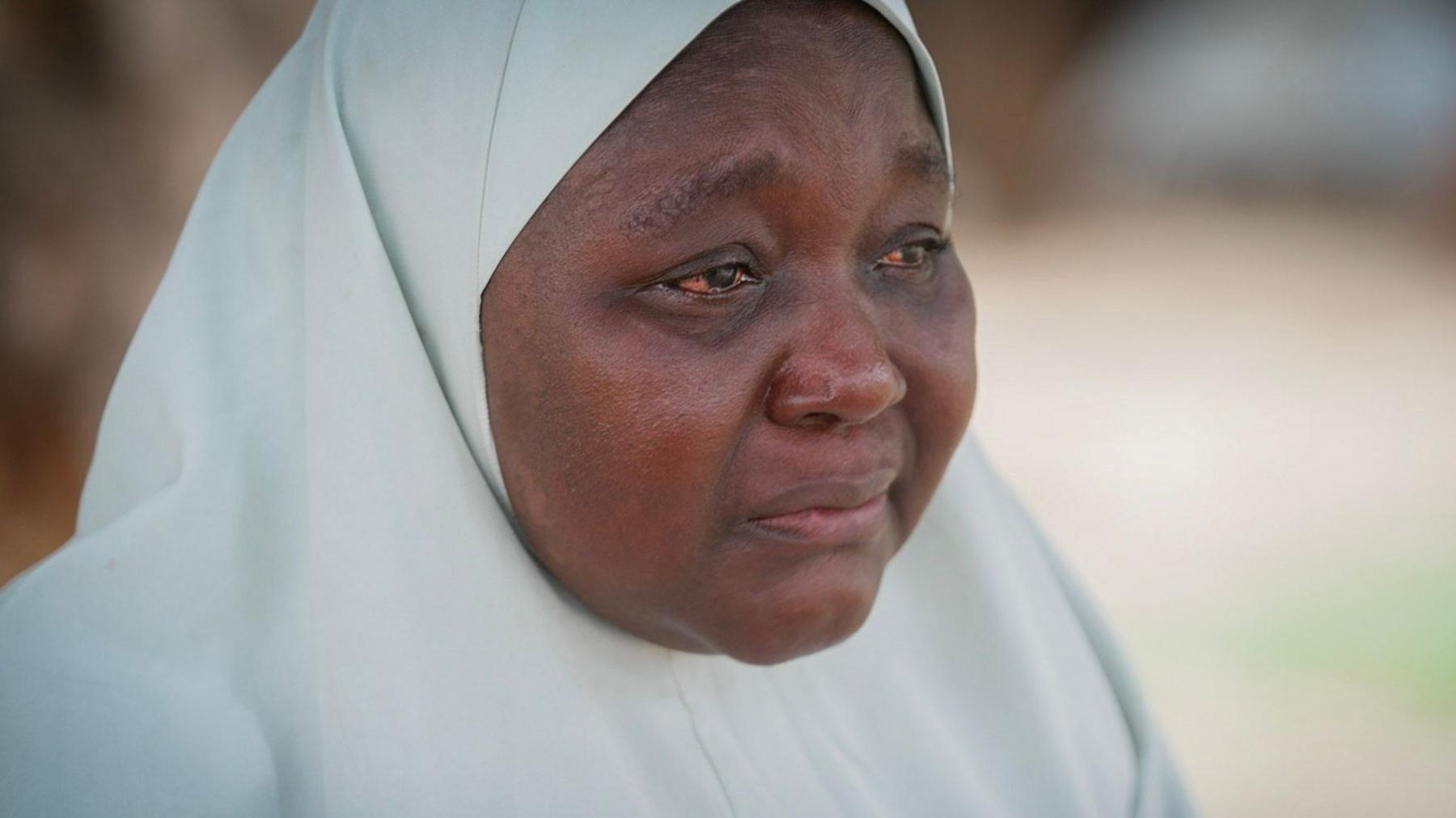
“If you ran into a room, they set the room on fire … If you came out and started running, they shot you,” Fatima says, a village elder describing a midnight raid in Zamfara that wiped out her family and plunged her community into a state of constant terror.
The attackers, arriving at 02:00, split into three groups – one blocked the village entrance, another lurked in the centre and a third positioned behind. They opened fire indiscriminately, leaving the village decimated. Fatima’s tragedy is one of many: in a June raid on neighbouring Bia Buki, an estimated 70 people, including children, were killed.
Over 800,000 Nigerians are now displaced, according to the UN, with the majority fleeing violence rather than conflict with governments. The violence is mainly carried out by “bandits” – largely Fulani motorcycle riders who have abandoned cattle herding for kidnapping, extortion and robbery. Their attacks have intensified, with Acled data showing a 78% rise in incidents in the first half of the year compared to the same period last year.
While some villagers have joined government‑backed vigilante groups to fight back, the rise of these armed civilians has sparked debate over long‑term control and justice. In 2020, a large vigilante association was banned following concerns over extrajudicial killings, and experts warn that “if citizens arm themselves, how do you control them at the end of the crisis?”
Fatima, now living in a makeshift camp in Gusau with her seven children, speaks of the overcrowded conditions, scarce food, and sporadic aid, describing the camp as a “temporary sanctuary” that remains perilous. The local bandit chief has become a de‑facto authority, and families look to him for justice and security, a reality that leaves villages bereft and turned into frontlines for armed confrontations.
Government response includes a 10% rise in Nigeria’s defence budget and the recruitment of 28,000 new soldiers, yet police stations remain underfunded and understaffed – with UN reports highlighting inadequate training and resources. Meanwhile, military patrols and vigilante escorts on the main road to Gusau have become common, aimed at deterring further bandit incursions.
The crisis underscores the complex reality of insecurity across Nigeria: from Islamist insurgency in the north‑east to separatist violence in the south‑east, and the bandit gangs that now dominate the north‑west. As violence spreads southwards and adds to the nation’s multi‑layered security challenges, communities continue to live lived in fear, yearning for stability, and resolution to prevent their villages from becoming dead zones of violence.