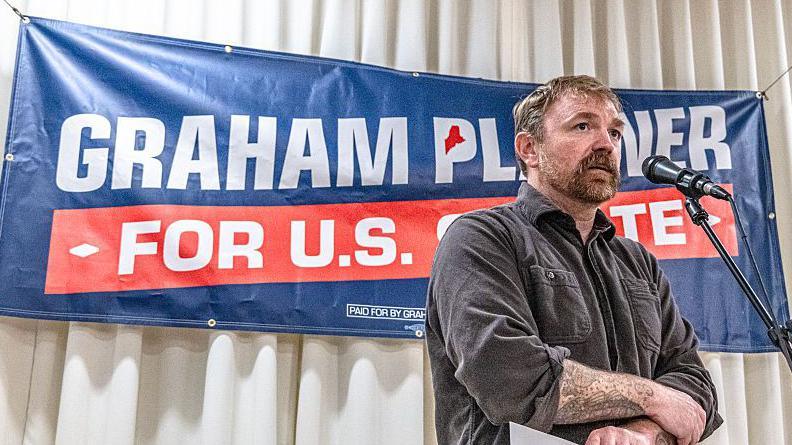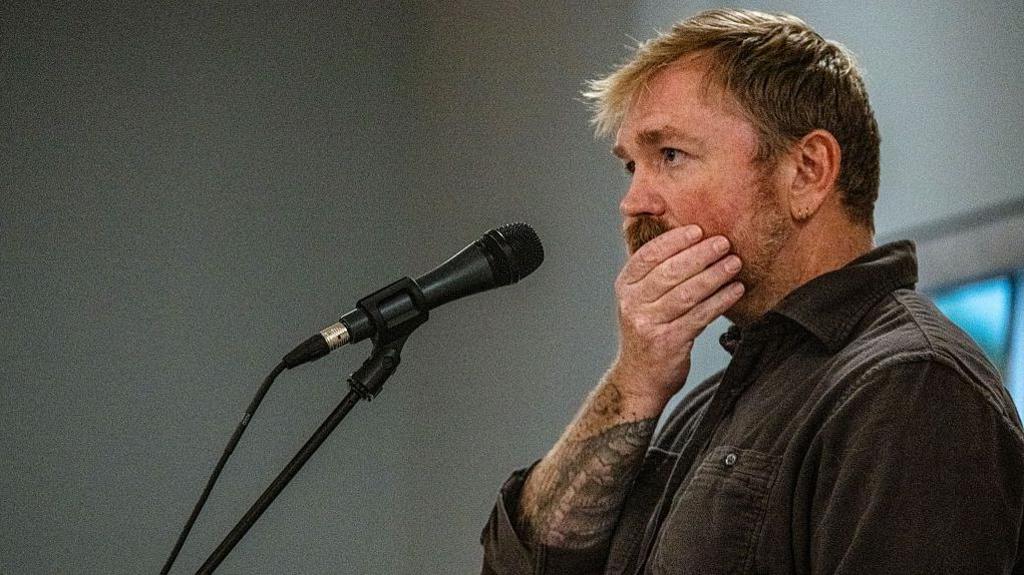
Maine Senate Gamble Collapses: Graham Platner Withdraws Over Allegations
The American political scene was stunned last week when Graham Platner, once a long‑shot who had upset a popular governor in Maine’s Democratic primary, quietly withdrew from the race to challenge five‑term Senator Susan Collins. The decision came after a former girlfriend reported that Platner entered her home while intoxicated in 2021 and allegedly assaulted her. Platner denied the claim, but the story circulated in a Politico report that reached a wide audience within 48 hours of his departure announcement.
Platner’s rise was powered by a robust grassroots network that gathered more than 15,000 volunteers and earned support from prominent progressive leaders such as Bernie Sanders and Elizabeth Warren. His outsider identity, coupled with a rugged and working‑class appeal, resonated with voters that had recently drifted away from the Democratic Party in rural areas. A victory would have signaled the possibility of tradable “blue‑collar liberalism” in a state that had voted for the Democratic presidential nominee in 2024.
The politician’s exit poses a significant strategic setback for the Democrats. Maine is considered a must‑win seat for any Democratic agenda seeking to control the Senate in a midterm election where the party needs to flip four Republican seats while defending all existing ones. With a new 27 July deadline to nominate a replacement, the party is grappling with how best to maintain momentum and unify its base.
A debate has erupted within party circles over whether the new nominee should follow the progressive path of Platner or align with more traditional candidates. Former Maine Senate leader Troy Jackson, a former partner of Platner, is one potential option, as is state epidemiologist Nirav Shah or Secretary of State Shenna Bellows—all having name recognition and campaign experience. However, pockets of support for Platner’s outsider brand remain tense, fearing that the establishment may sideline them in a closed‑door selection process.
The fallout also points to a larger rift between the party’s left and its more centrist leadership. State party chair Devon Murphy‑Anderson warned that the original campaign had pushed to manipulate the selection process, a claim rejected by Platner’s camp. The conflict draws attention to how parties can manage scandals while still keeping their supporters engaged in a highly competitive electoral environment.
With the 2028 presidential outlook folded into the stakes, the situation may reshape the Republican‑Democratic balance in the Senate for years to come. For now, Democratic leaders in Maine and across the country must decide how to resolve the crisis, rebuild trust among grassroots activists, and nominate a credible candidate before the July deadline.