In brief
Abdul El‑Sayed won Michigan’s Senate primary, defying expectations set by lavish fundraising and national endorsements. His victory challenges the Democratic establishment’s confidence in a centrist strategy and forces a debate over the viability of a progressive agenda in a key swing state. Additional primary results saw pro‑Israel Democrats lose to challengers opposed to U.S. arms sales, while voters in Missouri and Kansas rejected Republican‑backed measures that would have curtailed citizen‑initiated constitutional amendments. Trump‑endorsed candidates had mixed outcomes, winning some races yet also revealing pockets of discontent.
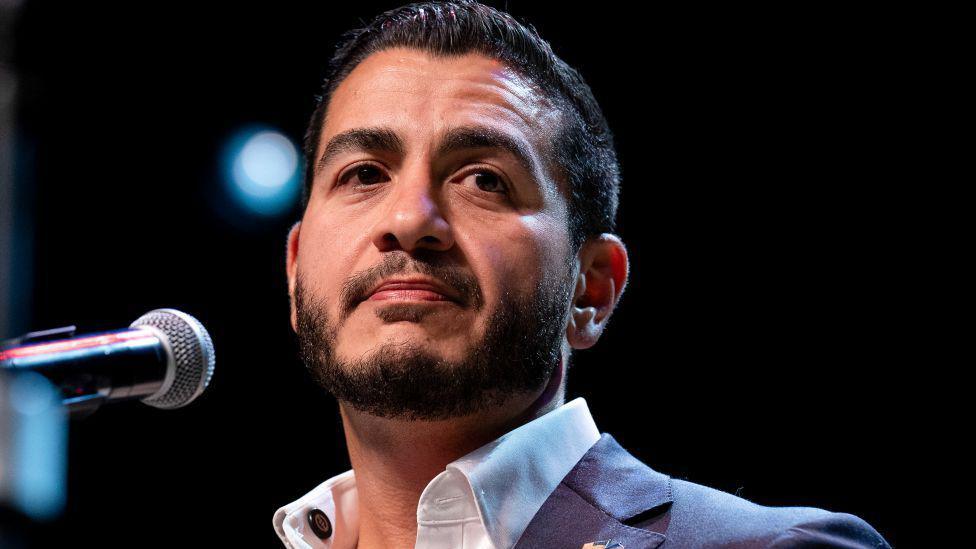
Abdul El‑Sayed, the former state health official and a left‑wing outsider, captured Michigan’s Senate primary by a modest margin over seasoned congresswoman Haley Stevens—defying expectations set by fundraising and national endorsements.
The result undermines the Democratic establishment’s confidence that a traditional centrist could prevail in a pivotal swing state, and it sharpens the debate on whether a progressive agenda can win over the broader electorate.
Meanwhile, three other primary contests reflect similar undercurrents: pro‑Israel Democrats such as Stevens lost to challengers who opposed U.S. arms sales to Israel, and voters in Missouri and Kansas rejected Republican‑backed ballot measures that would have curtailed citizen‑initiated constitutional amendments or forced judicial elections.
Though Trump‑endorsed candidates secured victories in some races—most notably Michigan governor and Kansas governor—their performances underscore a persistent base for the former president yet also reveal pockets of discontent.