Graham Platner Withdraws From Maine Senate Race Amid Sexual Assault Allegation
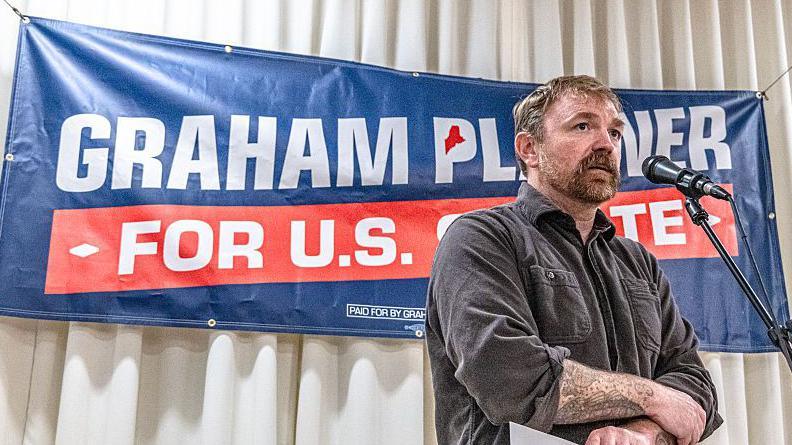
Graham Platner, a former Marine and local seafood trader, rapidly ascended from political obscurity to the Democratic nomination for Maine’s U.S. Senate seat in June’s primary. His campaign, built on a grassroots network of over 15,000 volunteers, delivered a stunning victory over state governor Janet Mills—the incumbent hand‑picked by party leaders as the best chance to topple long‑time Republican Senator Sen. Susan Collins.
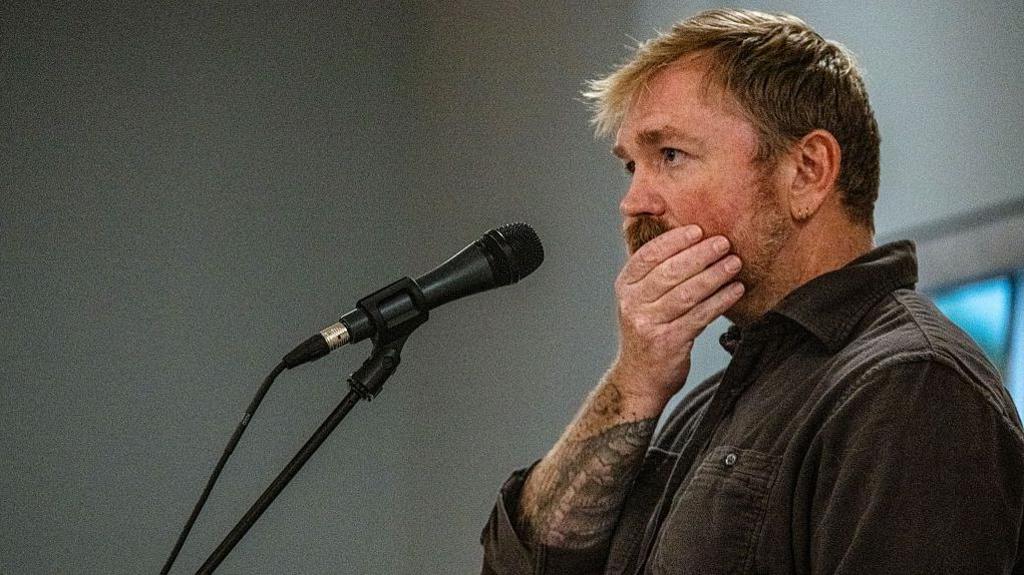
On September 8, Platner released a video on social media announcing his decision to suspend the campaign. The timing followed a Politico investigation that cited an accusation from an ex‑girlfriend claiming Platner entered her home in 2021 while intoxicated and sexually assaulted her. Platner has denied the allegation.
“We went toe to toe with one of the most entrenched political systems in the history of the world, and we won,” Platner wrote. “And now they are not going to let us have it, not if it’s me.” He insisted the withdrawal was not because of the allegation but because “structures are being taken away from us by those in power.”
The announcement triggered a swift erosion of institutional support. Both the national Democratic Party and progressive leaders such as Senators Elizabeth Warren and Bernie Sanders withdrew financing and endorsements. The party’s governing board announced it would cease any further funding for Platner’s campaign, signaling that his exit was inevitable.
The Maine Senate seat is a bellwether for Democratic Senate control in November’s midterms. The party needed a flip of this seat, and with the collapse of Platner’s candidacy, the risk of losing Democrats’ chances in the state grew markedly.
Beyond the immediate electoral loss, the saga highlights stark divisions within the party. Progressive supporters, who had championed Platner’s outsider appeal and policies—universal healthcare, wealth taxes, and affordable housing—felt alienated by the national party’s rapid withdrawal. James Melcher, a political scientist at the University of Maine, warned that “the base will sit on their hands if it looks like the establishment is triumphing over what the people want.”
The state Democratic Party announced it would convene a convention within two weeks to pick a new nominee, citing a need for an “open and democratic” selection process. State chair Devon Murphy‑Anderson accused Platner’s camp of attempting to “manipulate” the nomination procedure. A series of potential replacements has emerged:
- Troy Jackson, former Maine Senate leader who ran alongside Platner in the gubernatorial race; he finished third.
- Nirav Shah, a state epidemiologist who gained prominence during the COVID‑19 pandemic, finished a close second.
- Shenna Bellows, Maine Secretary of State and 2014 nominee; she previously ran unsuccessfully against Collins.
Analysts say that the party will need to manage the transition carefully to retain the enthusiasm of Platner’s supporters while presenting a viable alternative. “If the process is perceived as disrespectful or a cabal taking over, it could disincentivize the base,” Melcher warned. Meanwhile, Sen. Collins is poised to defend her seat, having defeated a better‑funded Democratic opponent in 2020 despite favorable polls.
While the immediate future is uncertain, the fallout from Platner’s exit underscores the delicate balance parties must strike when backing charismatic outsiders—a balance that may shape the Democrats’ strategy in the 2028 presidential race and beyond.