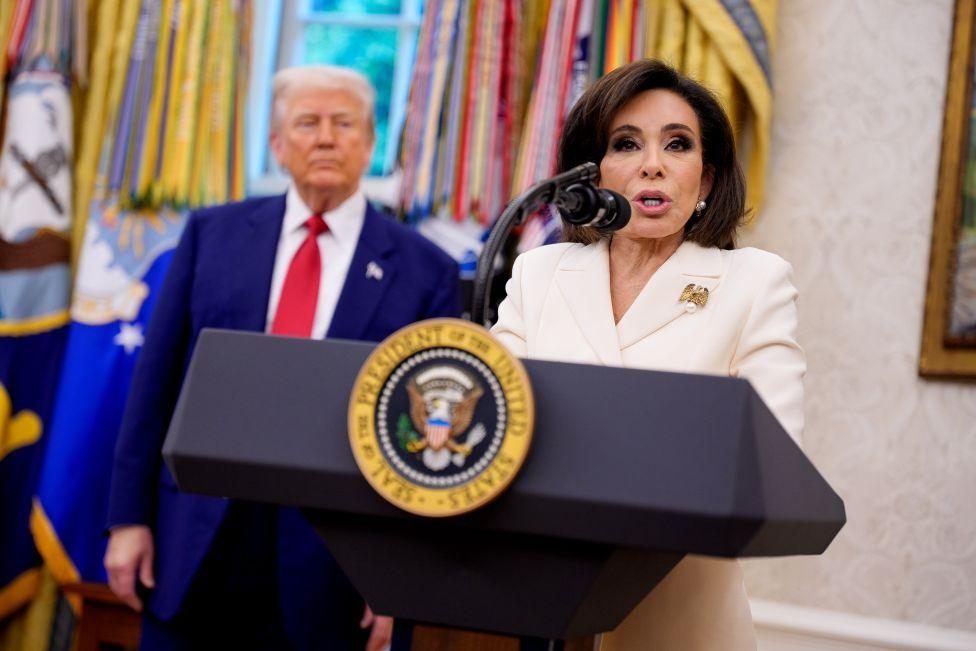
For Donald Trump, the past weeks have proven to be a humbling sequence of setbacks that he publicly denies, yet the evidence of the opposition he faces has left little doubt. The fallout began with the decision by U.S. Attorney Jeanine Pirro to dismiss the felony charges against former Olympian David Hearn over alleged damage to the Washington, D.C., Reflecting Pool. Pirro cited a 20‑page court filing that highlighted a botched repair, not vandalism, and argued that the Department of Interior had provided misleading information.
The move stunned Trump. Through a video and an angry comment on OHERO, he labeled Pirro as having "folded like an umbrella" and vowed to keep the case under review. In stark contrast to his first‑term confrontations with dissenters inside his own administration, this time Trump’s criticism was directed at one of his staunch allies—highlighting a stark inversion of his usual narrative that he can rewrite facts.
Parallel to the legal drama, the Senate has blocked the nomination of acting attorney general Todd Blanche. Although Blanche first attempted to secure the permanent role, senior Republican senators John Cornyn, of Texas, and Thom Tillis, of North Carolina, joined Democrats in a joint motion to halt his confirmation. They demanded that Blanche provide formally signed letters disavowing any attempt to revive a proposed $1.8 billion fund that could translate into payments for individuals deemed targets of politically motivated prosecutions, a proposal that sparked headlines about a potential "payout pot for punks."
Blanche complied, submitting the required letters on the following day, yet Trump remained unmoved. He confirmed via Truth Social that he would persist in pushing for the fund, describing it as a key part of his policy agenda. His remarks underscored a broader theme: despite political resistance, Trump refuses to abandon his priorities, even when the likelihood of success is low.
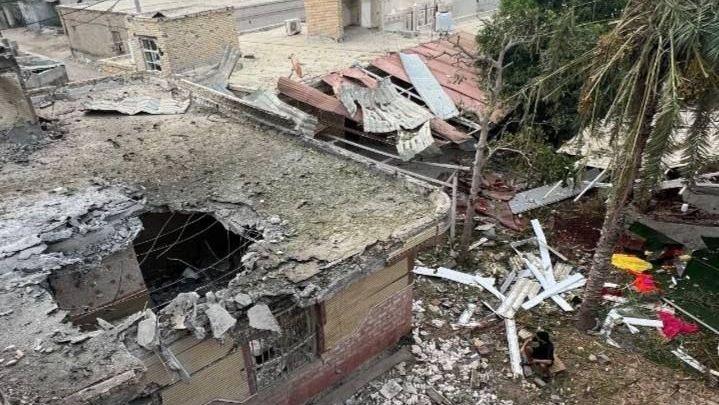
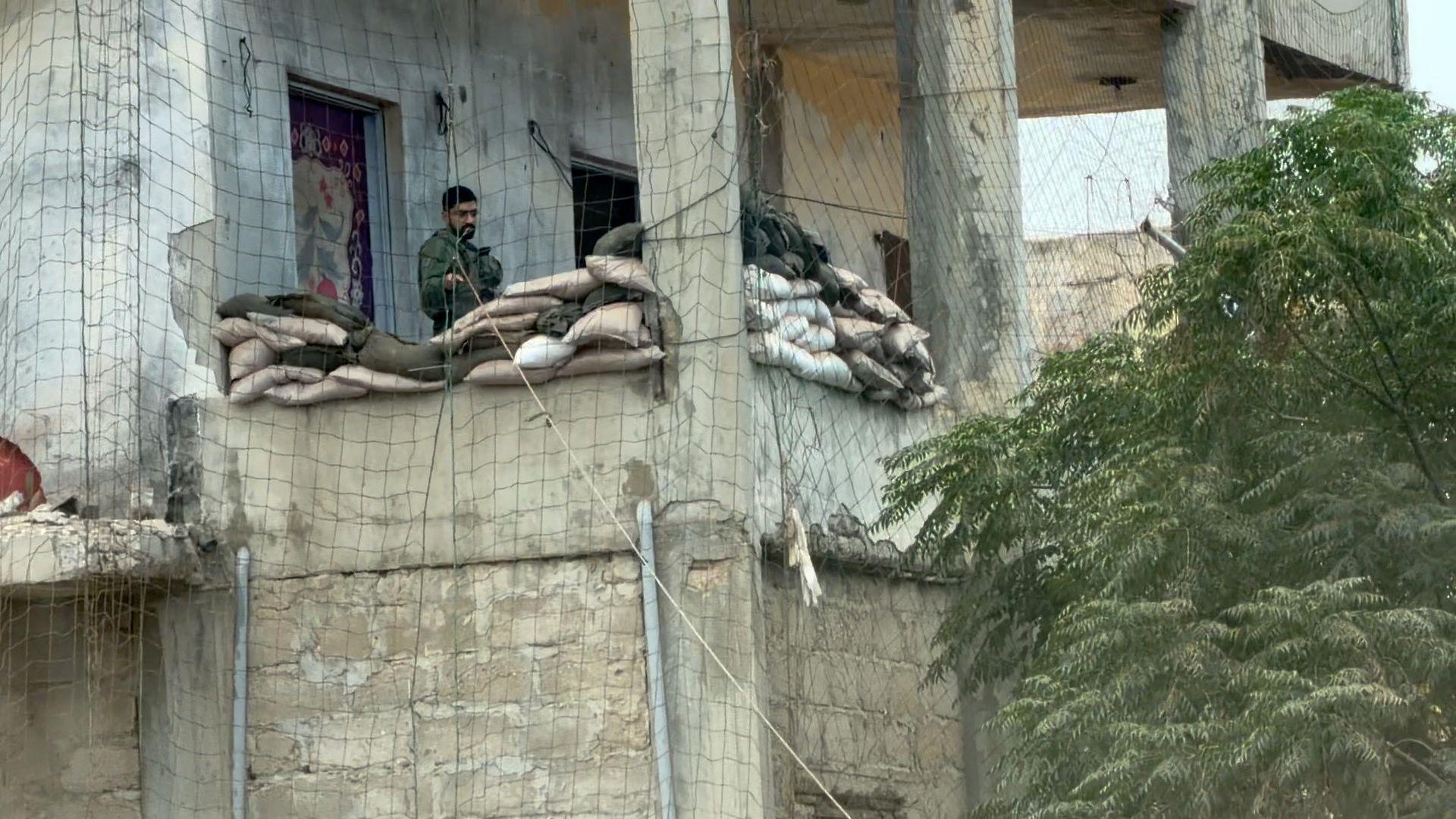
While the Reflecting Pool episode and the anti‑weaponisation fund debate have delivered a timely lesson in political realism, the more consequential challenge for Trump is his handling of the war in Iran. The former president has claimed to have averted a major nuclear strike at the behest of Iranian officials, only to find the negotiations stalled. In a recent post to Truth Social, he chastised Iran for claiming they were not in talks, calling the diplomatic language “misleading.” State officials clarified that no new negotiations were underway—only ongoing talks with Oman over shipping in the Strait of Hormuz.
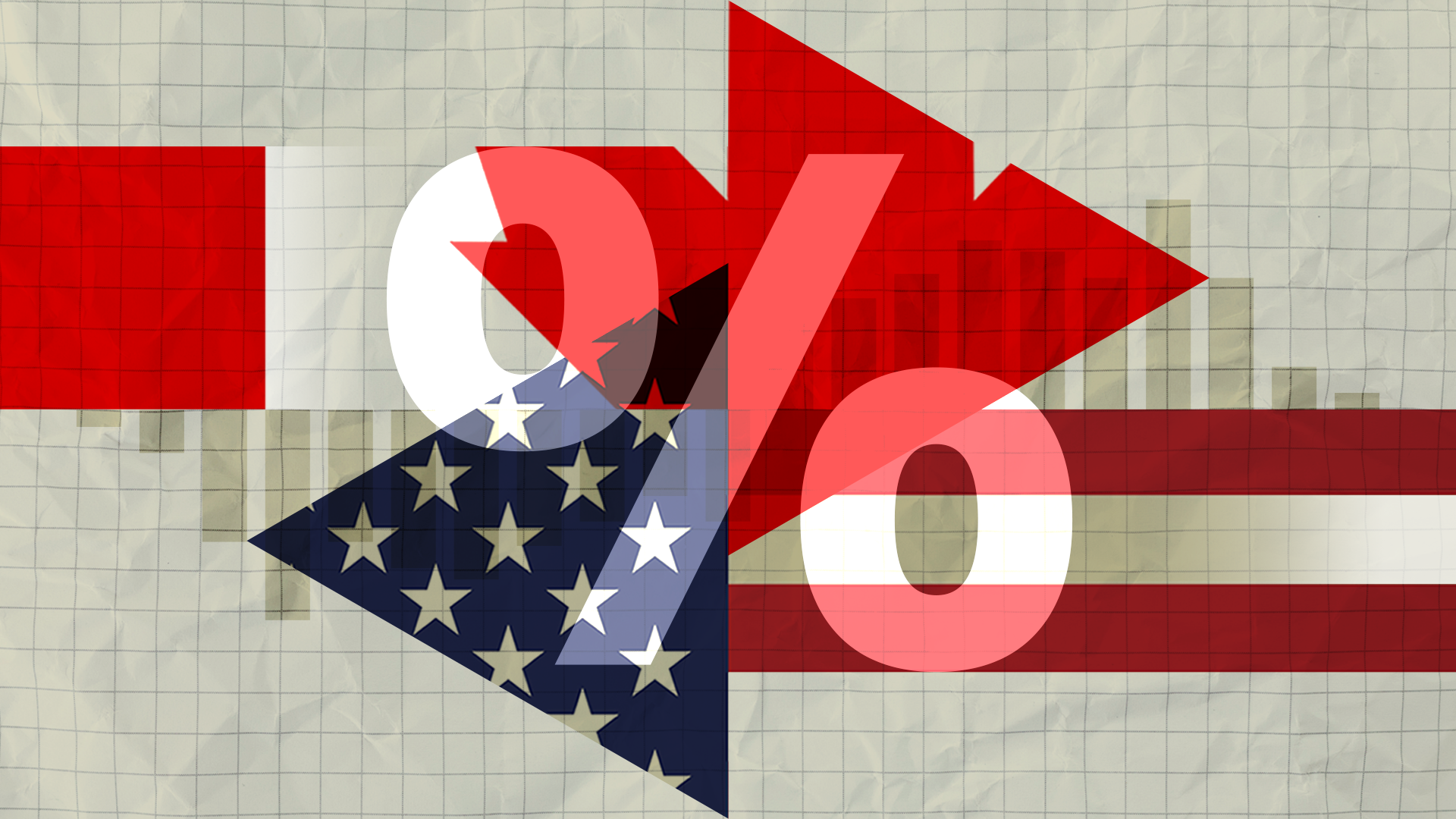
Public opinion has hardened against Trump’s narrative. Recent polls put his approval at roughly 33 %, the lowest since Nixon resigns, and below many second‑term presidents in modern history. Trump dismissed these polls as contrived, claiming his “real polling numbers” are “the best they have ever been.” However, the numbers persist, casting a shadow on his prospects as the country moves toward the next election cycle.
In summary, Trump’s current season is marked by a series of legal and political missteps that blur the line between fact and narrative. The Reflecting Pool decision, Senate opposition to Blanche, and the Iran war ambition converge into a place where the president’s control over his own story is challenged by reality, reminding all that the fallout of policy missteps can rapidly erode a political base. The final determination of these events will inevitably tip the balance of power in the cards of the coming mid‑term elections, testing the resilience of the administration in a new era of American politics.