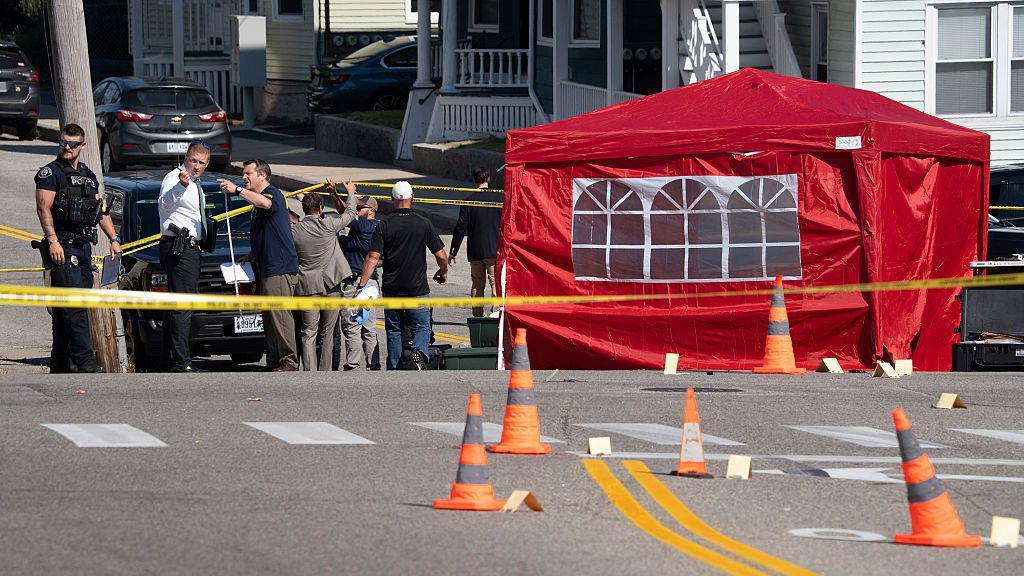
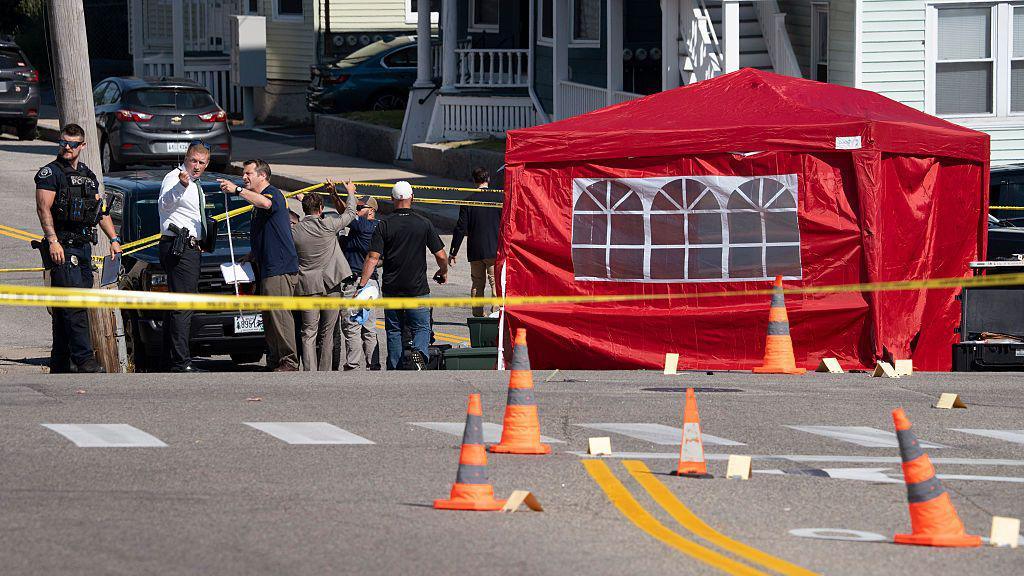
In Biddeford, Maine, ICE agents were monitoring a residence on a final‑order‑removal list when a white sedan appeared to flee the scene. An ICE officer fired his weapon, striking the driver, a 26‑year‑old Colombian national, and killing him instantly. The incident has prompted protests, a federal investigation, and renewed scrutiny of the agency’s use of force.
ICE disclosed that the operation began around 07:00 local time the Monday before. The officer said the vehicle attempted to run in the direction of the agents and, fearing for public safety, he discharged his weapon. ICE has placed the officer on leave pending an inquiry by the Department of Homeland Security’s Inspector‑General office.
Maine’s top prosecutor confirmed the officer belongs to ICE’s Enforcement Removal Operations division. The Attorney General, Aaron Frey, indicated the victim was not a target of an arrest warrant, a claim that was later contradicted by the National Security adviser, Markwayne Mullin. Senator Susan Collins, a Republican representing Maine, announced a “full and impartial investigation” and has requested DHS provide clarity on the circumstances of the death.
Witnesses recount the tense scene: “At about 07:20, I saw two officers in green vests and a white SUV with flashing lights,” said Lucas Scott of Biddeford. “I heard at least four gunshots.” Another witness, Mary Hayes, described the heart‑wrenching image of a wife cradling her husband’s body and a small child in tears.
In addition, a local resident stated the victim lived nearby with his wife and daughter, highlighting the tragedy’s personal dimension. The Maine Immigrants’ Rights Coalition condemned the shooting, emphasizing that the victim “was a member of our community, a neighbor and a human being whose life was cut tragically short.”
“I watched a wife fall to her knees looking at her husband’s dead body on the ground.” – Mary Hayes
The incident follows two days earlier when an ICE officer fatally shot a 52‑year‑old Mexican builder, Lorenzo Salgado Araujo, during another operation in Houston. Federal officials later acknowledged that Salgado was not the intended target. These events have intensified criticism of DHS and ICE, especially after the Trump administration’s 2017 surge of immigration enforcement.
Senator Angus King, a political independent, highlighted confusion over the initial briefing provided by DHS, noting that the officer “was not the target of a warrant.” He has called for a transparent process to determine the necessity of deadly force.
With protests billowing outside the Senator’s office and demands for solidarity with the victim’s family, the event underscores the growing friction between immigration enforcement tactics and civil‑rights communities across the United States.