Donald Trump’s second‑term has turned into a series of public defeats over the past weeks, a fact that has been loudly underscored by his former allies who are now retreating from their legal stands and his own appointments.
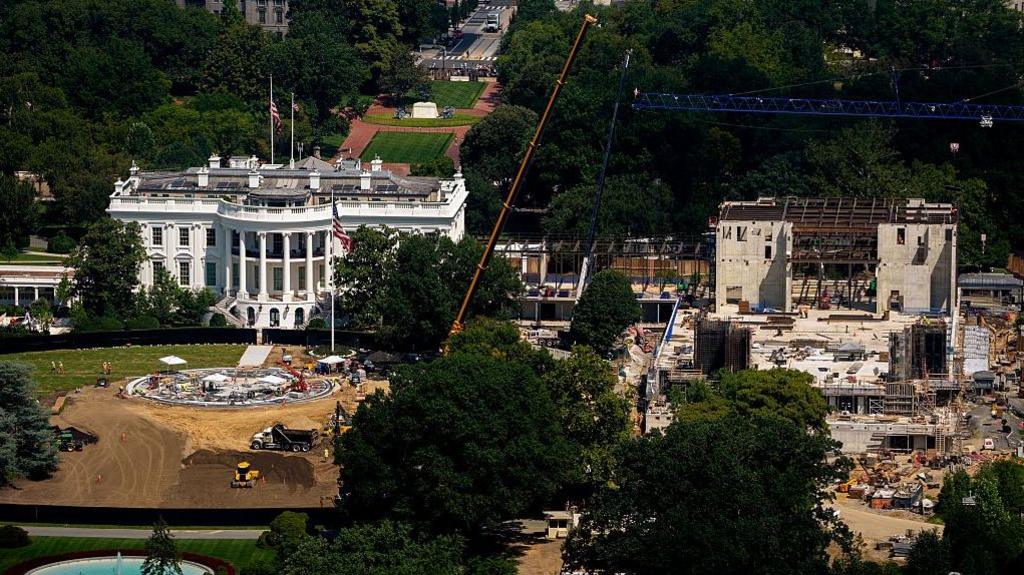
The most visible episode began with an alleged vandalism of the Reflecting Pool at the Washington Monument. Former U.S. Attorney Jeanine Pirro, a staunch Trump supporter and ex‑Fox News host, chose to drop felony charges against Olympic swimmer David Hearn, arguing the damage was the result of a botched restoration rather than intentional sabotage. She cited inaccurate information supplied by the Department of Interior that had misled her office. Trump, however, seized upon the reversal to highlight a supposed injustice, painting Pirro’s decision as capitulation to a “system” that promised to oppress the president.
On the day after Pirro’s announcement, Trump posted a clip on Truth Social, scolding her for what he called a “folding like an umbrella” style of turning back‑on. He repeated the criticism in a separate comment from the Oval Office the following Monday, asserting that the Republican allies had betrayed their pledge to the president.
The fallout extended beyond the pool. The president’s former criminal‑defense lawyer Todd Blanche was another casualty of rising political pressure. Blanche, who was poised for a permanent appointment as attorney general, found his nomination blocked by GOP leaders John Cornyn of Texas and Thom Tillis of North Carolina. Both senators joined Democrats in demanding that Blanche provide a letter formally disavowing any attempts to re‑ignite a controversial $1.8 billion “anti‑weaponization fund” that many feared would finance retribution against anti‑government protesters.
Blanche’s response was swift—he submitted the requested letters by the next day, a move that placated the Senate majority. Trump’s reaction was less measured; he posted a brief Truth Social note saying, “I didn’t look at Blanche’s documents. I understand there’s been a sign‑off, but I don’t know what they agreed.” His wording underscored a disconnect between his public endorsement and the behind‑scenes reality of political negotiations.
Meanwhile, the president’s stance on the Iran conflict has continued to hamper his reputation. After a sharp episode in which he claimed that a massive U.S. military strike had been called off, Trump ripped into the Iranian government for an alleged double‑talk, alleging that officials threatened to engage in “beg‑talks” while simultaneously denying any real dialogue. He repeated the frustration of what he described as Iranian deception on Truth Social, which drew little substantive geopolitical traction and only stoked public impatience.
Polling data has remained a sore spot. A recent Associated Press survey listed Trump’s approval at just 33 percent—well below his first‑term highs and underlined by comparable figures from CNN, Quinnipiac University and YouGov. Even as he dismisses the numbers as “fake news,” the figures suggest the president’s war‑on‑Iran rhetoric and domestic legal dramas have eroded his standing. In a third‑quarter slump, his ratings are some of the lowest for any second‑term U.S. president, approaching the lows of Richard Nixon.
The midterm elections are now only three months away, a critical moment for any administration. Trump’s public entanglements with advisers, allies and political foes may dictate the outcome. The current trajectory poses an unprecedented “ reality check” for the president’s political calculus, and the next trading of legislative and electoral floors will reveal whether he can turn these setbacks into a comeback or if they seal the final chapters of his troubled second term.