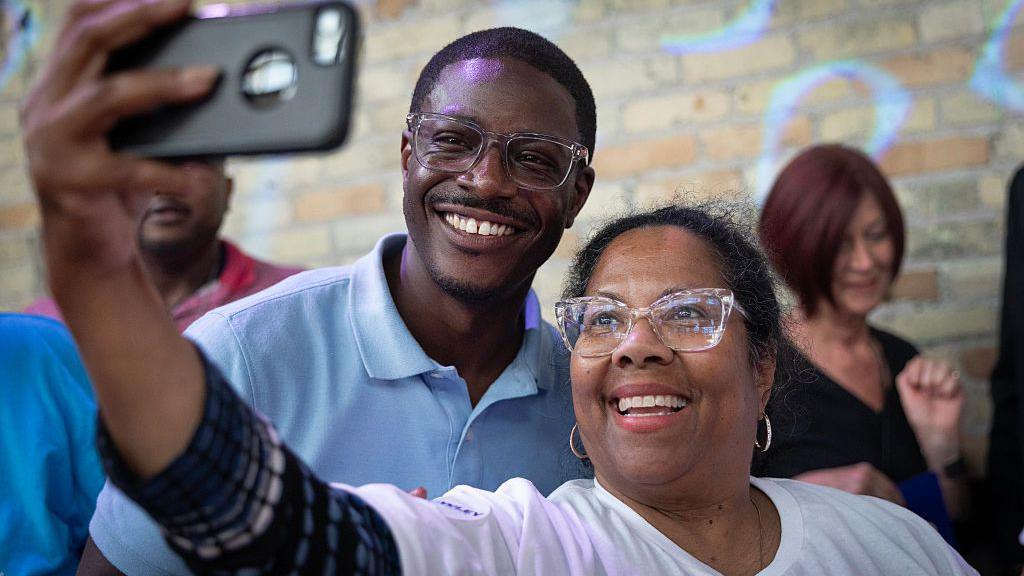
David Crowley has been projected as the winner of Wisconsin’s Democratic gubernatorial primary, a result that foils a recent wave of left‑wing breakthroughs within the party.
With the vast majority of votes counted, Crowley, whose policies lean toward the party’s centre, has edged out former state assemblywoman Francesca Hong by a narrow margin, according to early data from the BBC’s partner, CBS News.
The triumph comes after Crowley briefly pulled out of the race then re‑entered with the backing of incumbent Governor Tony Evers, tipping the scales in his favour. It also marks the end of a series of victories for insurgent, Democratic‑Socialist‑affiliated candidates who had carried the momentum from earlier contests across the country.
Crowley’s new campaign message focuses on keeping costs down, strengthening schools, creating quality jobs, and ensuring opportunity reaches all corners of Wisconsin. He pledged on social media that it was time to "get to work" for the state.
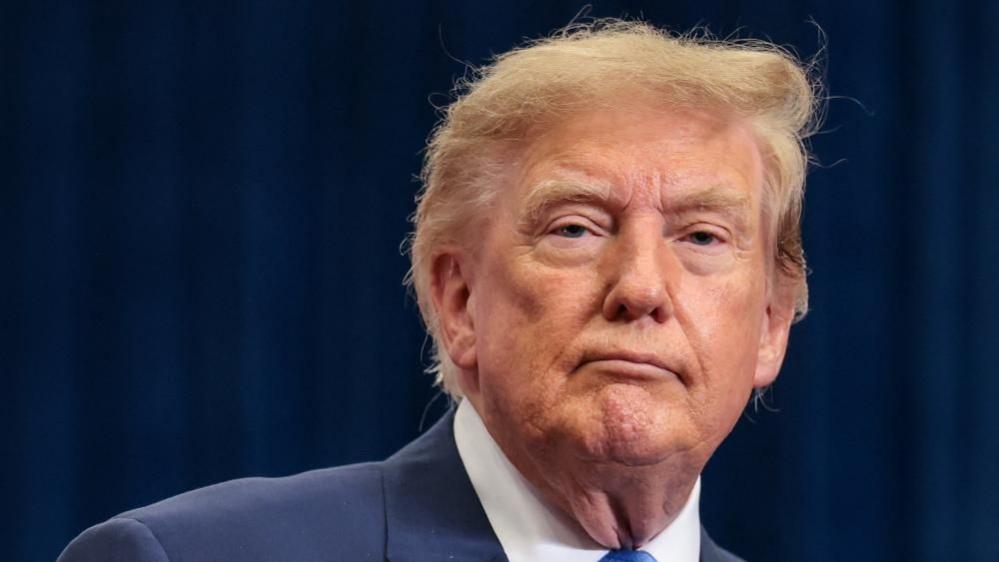
He will face Republican Tom Tiffany, who secured the GOP primary with little resistance and is backed by President Trump’s endorsement. Tiffany’s platform stresses tax cuts, support for farmers, and healthcare improvements.
The Wisconsin race is one of many eastern mid‑western battles that will shape the national narrative ahead of the November mid‑term elections, which also hold implications for control of the U.S. Congress.
The Crowley–Hong contest ran alongside other state primaries in Wisconsin and neighboring Minnesota, while South Carolina moved its Republican Senate primary into a runoff month after the death of incumbent Lindsey Graham.
A small‑scale upset in Wisconsin illustrates how a single primary outcome can ripple across the Democratic Party’s broader strategy, especially as it seeks to balance progressive momentum with mainstream Republican opposition in the upcoming campaign cycle.