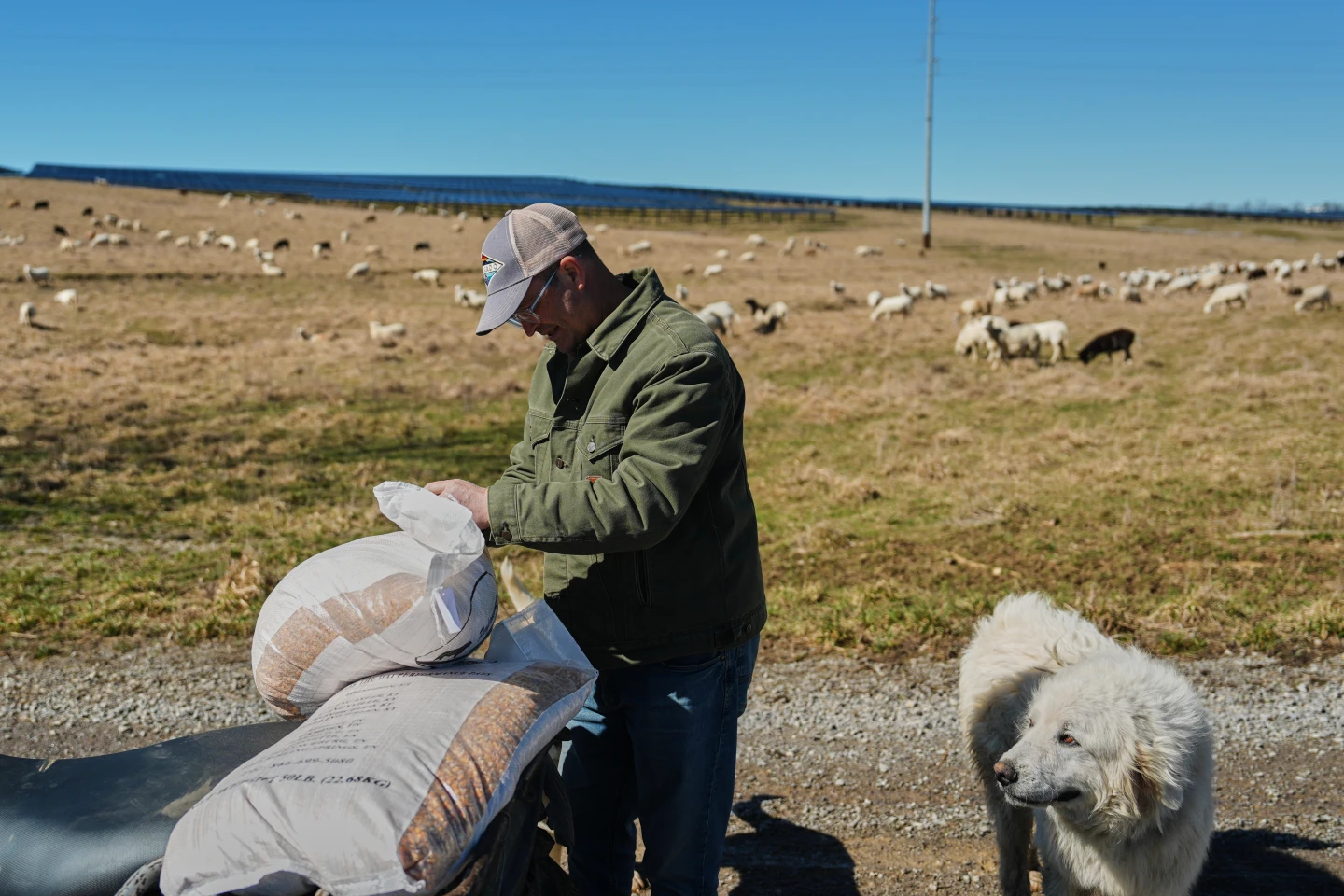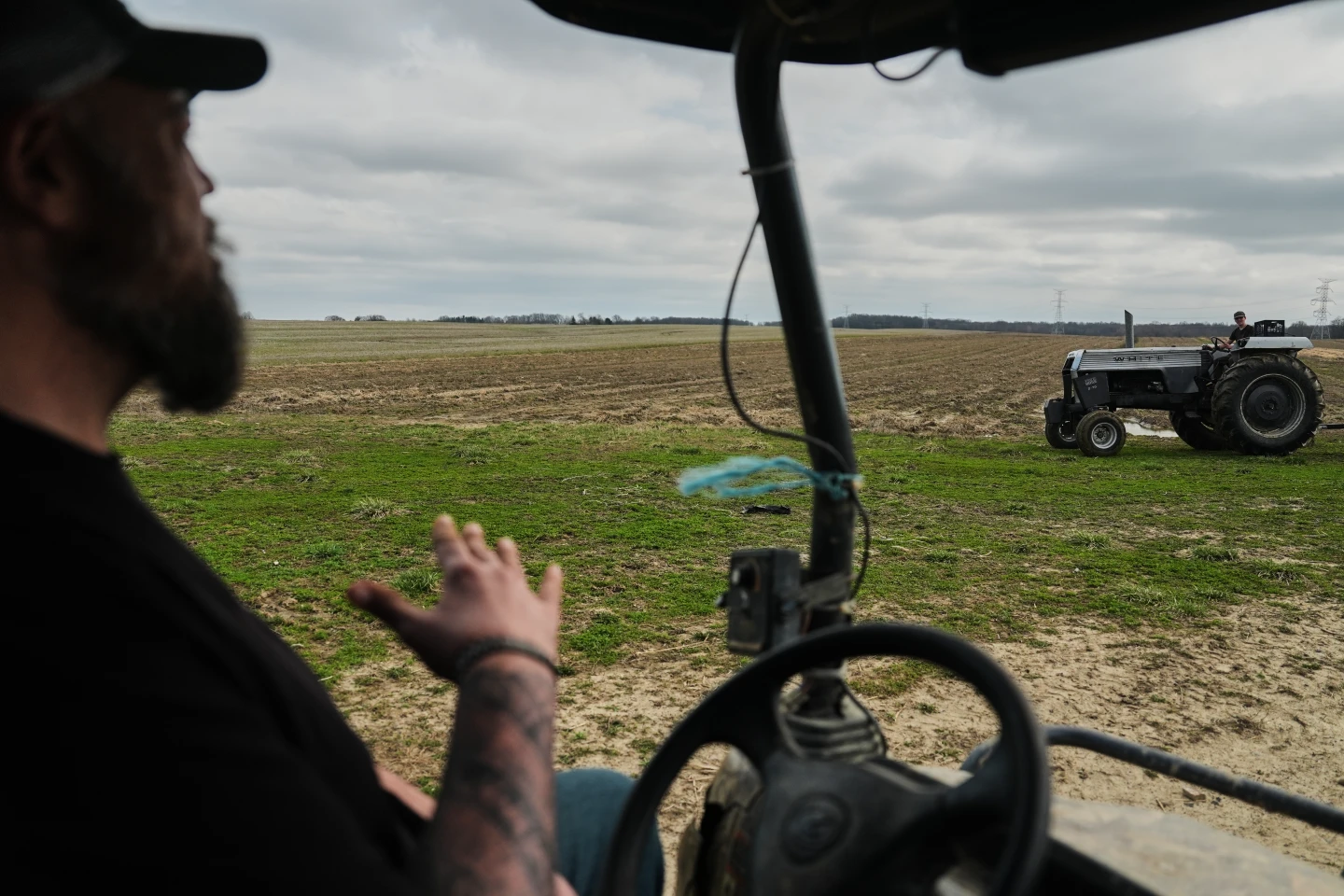
CANFIELD, Ohio (AP) — From the seat of his tractor, Wayne Greier watches his son maneuver through the field as they prepare for another tough planting season. While Greier eagerly anticipates the upcoming agricultural challenges, he reflects on a missed opportunity that could have reshaped their farming operations.
In 2023, local officials thwarted Greier's plans to establish a solar farm on his land thanks to restrictive county laws, resulting in a dire financial situation exacerbated by mounting medical debts. The proposed project was projected to deliver nearly $540,000 annually in lease payments, which would have significantly eased financial pressures.
“It was our saving grace,” remarked Greier. “The narrative surrounding solar energy often overlooks its potential to enhance agricultural viability rather than diminish it.”
Local opposition to solar development has emerged as a critical barrier for many aspiring green energy projects. Despite considerable evidence advocating tax benefits and job creation from renewable projects, numerous communities remain hesitant. Advocates are now calling for reforms and community engagement strategies to foster better acceptance of solar developments.
Greier's case exemplifies a broader trend where beliefs about solar energy clash with economic realities, hindering sustainable practices that could benefit both farmers and the environment. The conflict has unbalanced support for renewable energy and illuminated the difficulties farmers face in trying to pivot toward solar solutions.
As the environment and climate considerations become increasingly urgent, advocates underscore a growing necessity to eliminate barriers to solar adoption. They propose reshaping the dialogue around solar energy into a property rights issue, emphasizing the position of local farmers to leverage their resources sustainably.
“These are families with futures hinging on the ability to navigate these processes,” stated Greier in a recent community meeting. “To support families effectively, we need access to innovative financial solutions that a solar initiative can provide; it simply makes sense.”
The movement to reverse local ordinances against solar energy has garnered momentum in places like Richland County, Ohio, where community members intend to leverage upcoming referendums to improve solar adoption policies. These conversations highlight a crucial evolution in public perception surrounding solar energy as more residents come to understand its advantages as integral to community and local economic health.