In brief
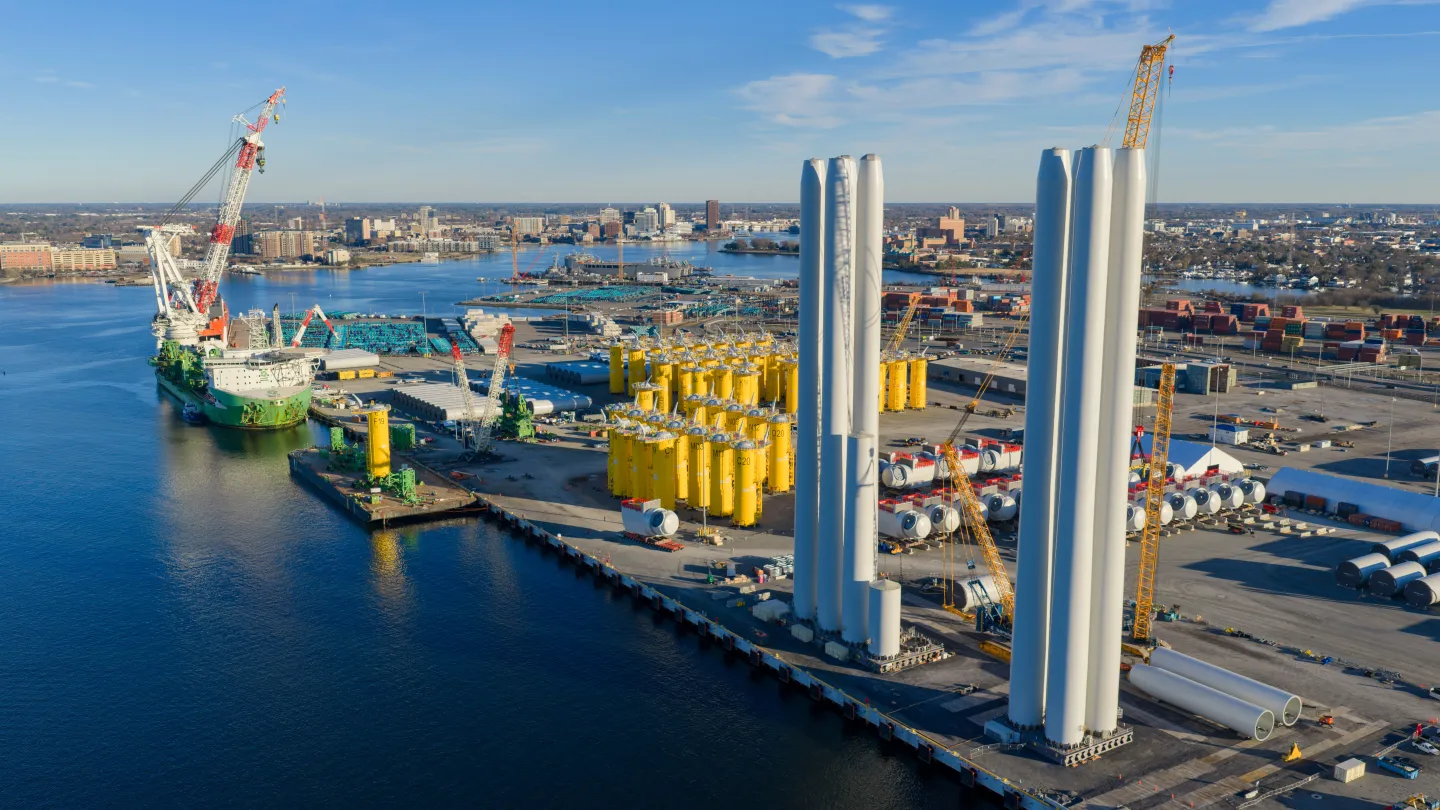
In a recent federal court hearing in Washington, District Judge Carl J. Nichols is evaluating a request to reverse a Trump administration freeze on the Empire Wind project, crucial for green energy in New York. With the project 60% complete and set to power over 500,000 homes, developer Equinor argues that halting construction could threaten its viability amid escalating financial pressures and a lack of specialized vessels. The court is tasked with reconciling national security claims from the Trump administration with the developer's urgent need to proceed with installations that weigh over 3,000 tons. This move aligns with broader efforts to halt offshore wind projects that oppose ongoing global renewable energy trends. This ruling could have significant implications for the future of offshore energy projects across the East Coast.
WASHINGTON (AP) — A federal judge is examining whether to nullify an order from the Trump administration that halts construction on the Empire Wind project, a vital offshore wind initiative in New York nearing completion.
The Empire Wind project, developed by Equinor, aims to supply energy to over 500,000 households. Equinor has expressed concerns that continued delays, caused by a lack of specialized vessels and substantial financial losses, could jeopardize the future of the project. The Trump administration paused its progress under the premise of national security concerns during a move that affected several major offshore wind projects on the East Coast.
During a recent hearing, Judge Carl J. Nichols discussed the implications of potentially allowing construction to continue while also deliberating the merits of the freeze. Nichols pointedly questioned the government's failure to address key arguments in Empire Wind's legal filings, emphasizing the importance of due process. “Your brief doesn’t even include the word arbitrary,” Nichols remarked.
The government’s national security rationale has not been publicly detailed, prompting skepticism from experts who believe the offshore projects have undergone thorough reviews with defense entities. Equinor has stressed its willingness to address any security concerns that may have arisen during the project's planning stages.
This case is particularly important as it may set a precedent for offshore wind energy initiatives along the eastern seaboard, especially against the backdrop of urgent calls for increased investment in renewable energy solutions amidst climate challenges. The controversy over the Empire Wind project is not an isolated issue, as other projects have also faced similar federal interruptions. The outcome of Judge Nichols' ruling could significantly influence the future of renewable energy development in the region as efforts to transition from fossil fuels continue to grow.
Meanwhile, in contrast to the halt on American offshore wind projects, Britain has recently secured a record 8.4 gigawatts from its offshore wind auction, showcasing the stark differences in renewable energy policies between nations.