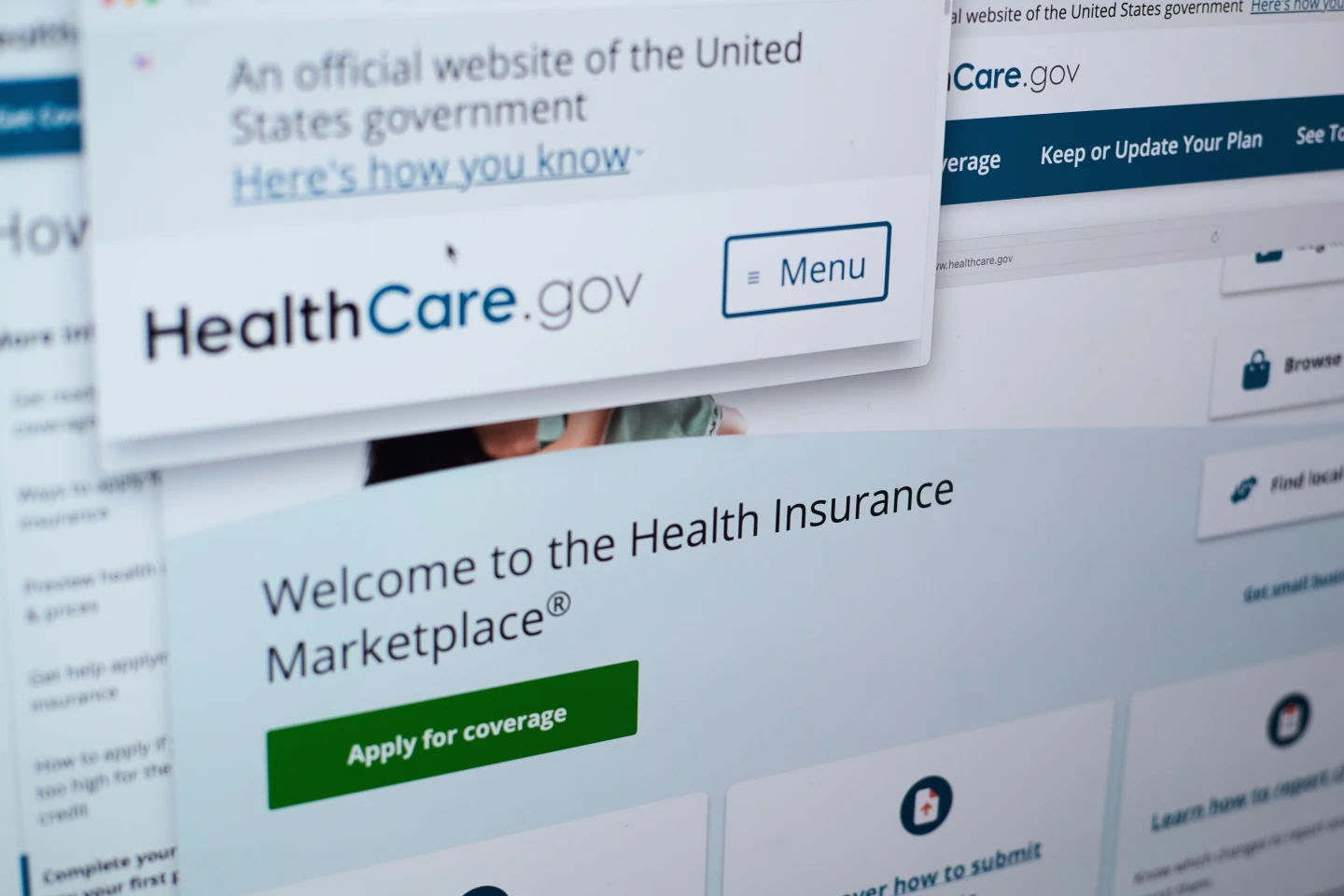
The U.S. healthcare system has come under scrutiny as personal narratives, like that of Jeff King, reveal the stark realities of exorbitant medical bills. King faced a staggering $160,000 charge after an irregular heart rhythm procedure, a situation that illuminated the hidden costs of healthcare. King joins an estimated 100 million Americans unable to manage their medical debts in a system where prices are often opaque.
Despite spending on healthcare projected to hit $5.9 trillion in 2026, the U.S. lags behind other wealthy nations in life expectancy and affordability, driven by a convoluted mix of private insurance and government programs.
Political stakeholders, including both parties, acknowledge the need for change yet struggle to agree on actionable solutions. President Trump’s recently proposed Great Healthcare Plan aims to simplify costs by eliminating middleman payments and directly aiding citizens, but lacks transparency and specifics about funding.
The frustrations extend beyond policies; several fatal incidents, including the murder of healthcare executives, highlight growing anger towards the industry. In the backdrop, supporters of a recent suspect in a healthcare executive’s murder rallied, indicating profound discontent with a system many feel is exploitative.
Experts argue the U.S. unique approach to healthcare, steeped in free-market practices, has led to unnecessary complexities that require systematic consolidation. Yet, the political will appears lacking to implement reforms necessary to protect the widespread public from financial ruin due to medical expenditures.
As Americans express a preference for the current private healthcare system over a governmental one, the future remains uncertain. The question lingers: Will those in power finally unite to address a healthcare crisis that strains millions, or will households continue to navigate rising costs in a fragmented and expensive system?
Despite spending on healthcare projected to hit $5.9 trillion in 2026, the U.S. lags behind other wealthy nations in life expectancy and affordability, driven by a convoluted mix of private insurance and government programs.
Political stakeholders, including both parties, acknowledge the need for change yet struggle to agree on actionable solutions. President Trump’s recently proposed Great Healthcare Plan aims to simplify costs by eliminating middleman payments and directly aiding citizens, but lacks transparency and specifics about funding.
The frustrations extend beyond policies; several fatal incidents, including the murder of healthcare executives, highlight growing anger towards the industry. In the backdrop, supporters of a recent suspect in a healthcare executive’s murder rallied, indicating profound discontent with a system many feel is exploitative.
Experts argue the U.S. unique approach to healthcare, steeped in free-market practices, has led to unnecessary complexities that require systematic consolidation. Yet, the political will appears lacking to implement reforms necessary to protect the widespread public from financial ruin due to medical expenditures.
As Americans express a preference for the current private healthcare system over a governmental one, the future remains uncertain. The question lingers: Will those in power finally unite to address a healthcare crisis that strains millions, or will households continue to navigate rising costs in a fragmented and expensive system?