King Khalid Airport Drone Strike Reveals Houthi Threat to Saudi Arabia

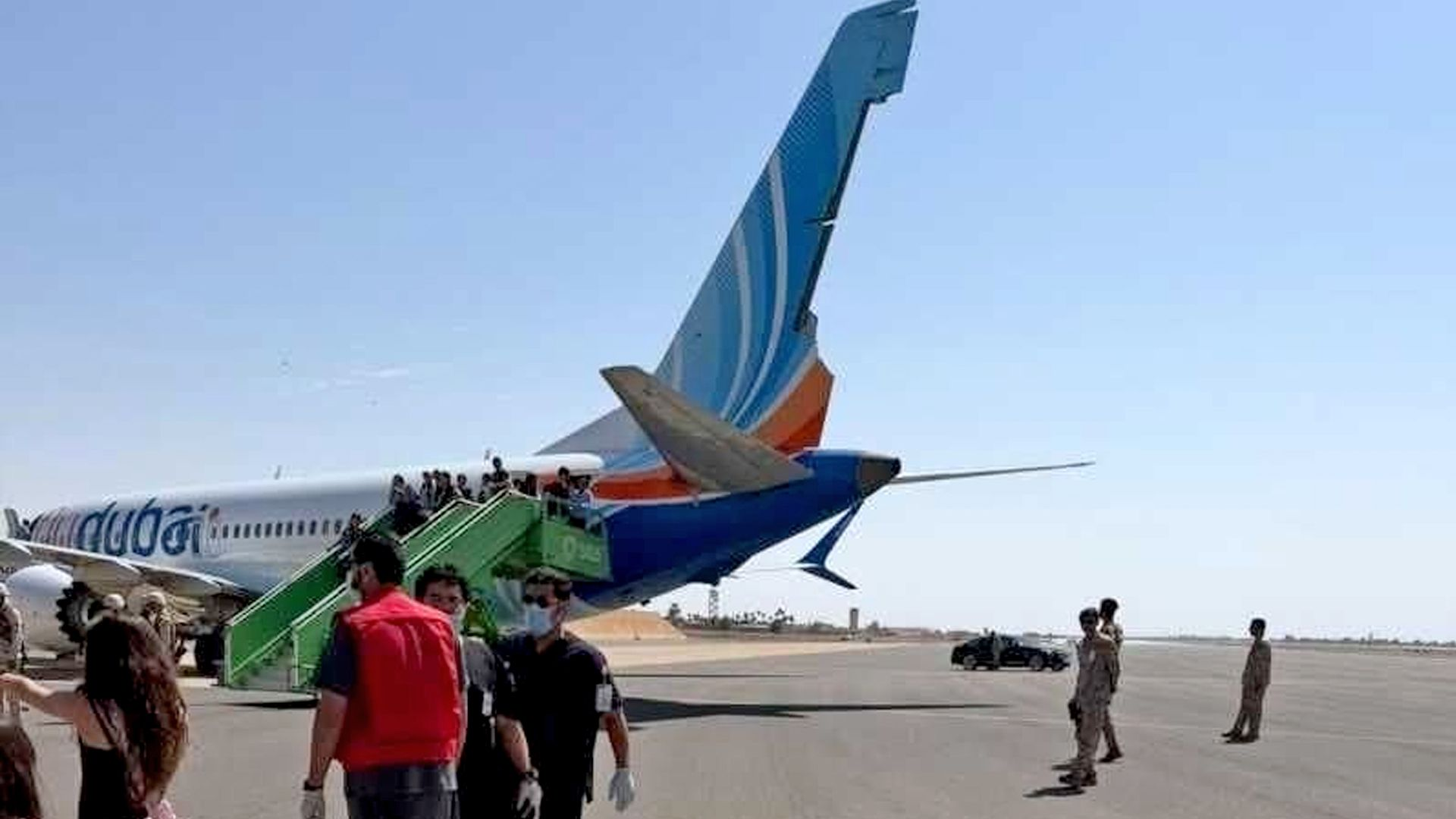
On Saturday, a coordinated drone and missile strike hit Saudi Arabia’s King Khalid Airport in Riyadh, marking the latest in a sequence of Houthi attacks aimed at pressuring the kingdom and disrupting its economic lifelines.
Saudi air defences were breached, allowing projectiles to reach the airport’s facilities and inflict damage that can be repaired quickly, but the psychological impact on the region’s perception of safety is significant.
This assault follows the Houthis’ push to seize strategic positions along the Red Sea coast and around the Bab al‑Mandeb Strait, a channel that is essential for global maritime trade. Even though the Yemeni government claims to have secured the strait, the presence of hostile forces adds uncertainty for shipping companies.
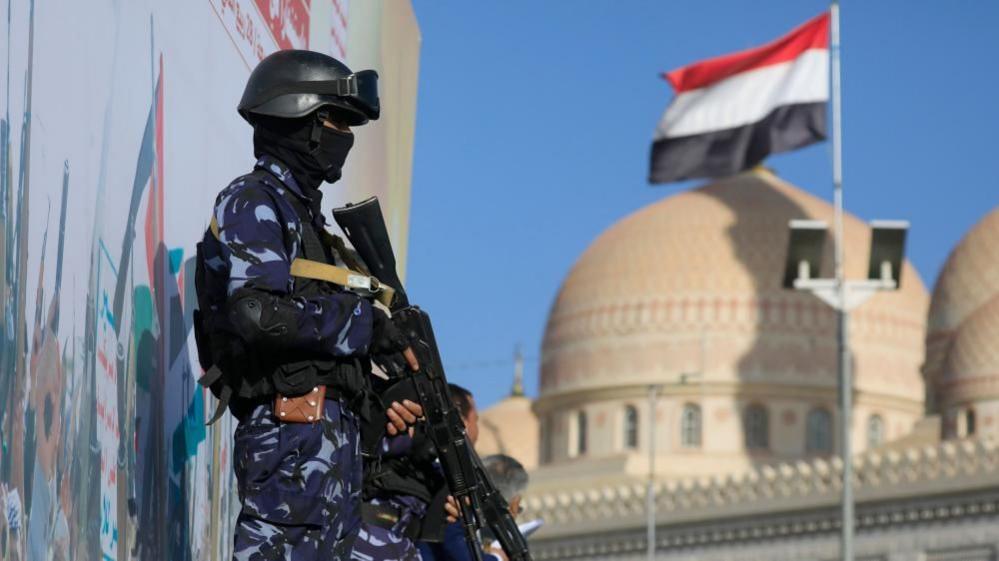
The Yemen conflict, a protracted war between the internationally recognised government—supported by Saudi Arabia—and the Iran‑aligned Houthis, has caused profound humanitarian suffering and created a volatile security environment for neighboring states.
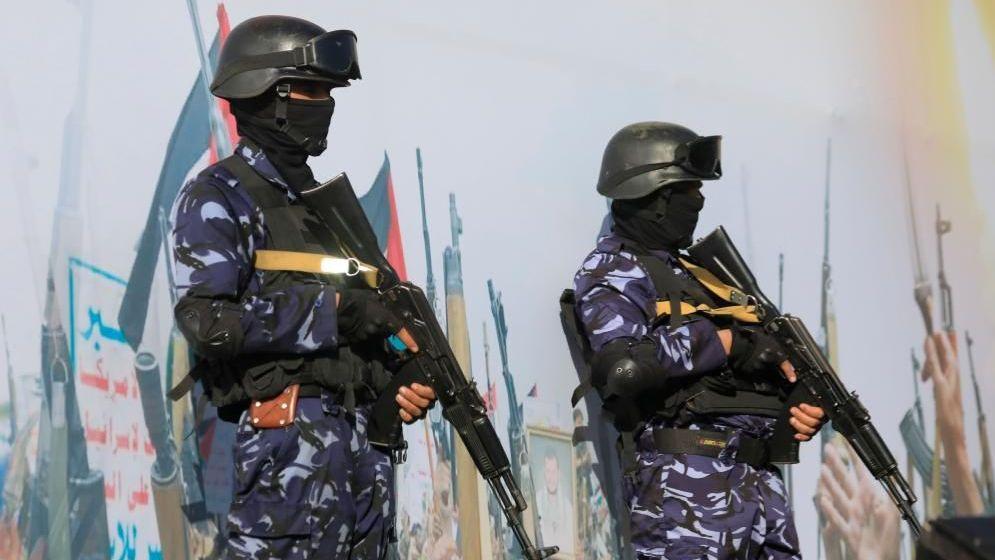
The recent Riyadh strike illustrates how the Houthis target the “soft underbelly” of Saudi’s economy, leveraging attacks on critical infrastructure to curry favour with Shia-led Iran and to disrupt the global supply chain.
The Red Sea corridor’s importance is rising as the Strait of Hormuz remains partially closed following ongoing U.S.–Iranian tensions. Attacks on shipping in this area are now used by the Houthis as leverage for geopolitical negotiations.
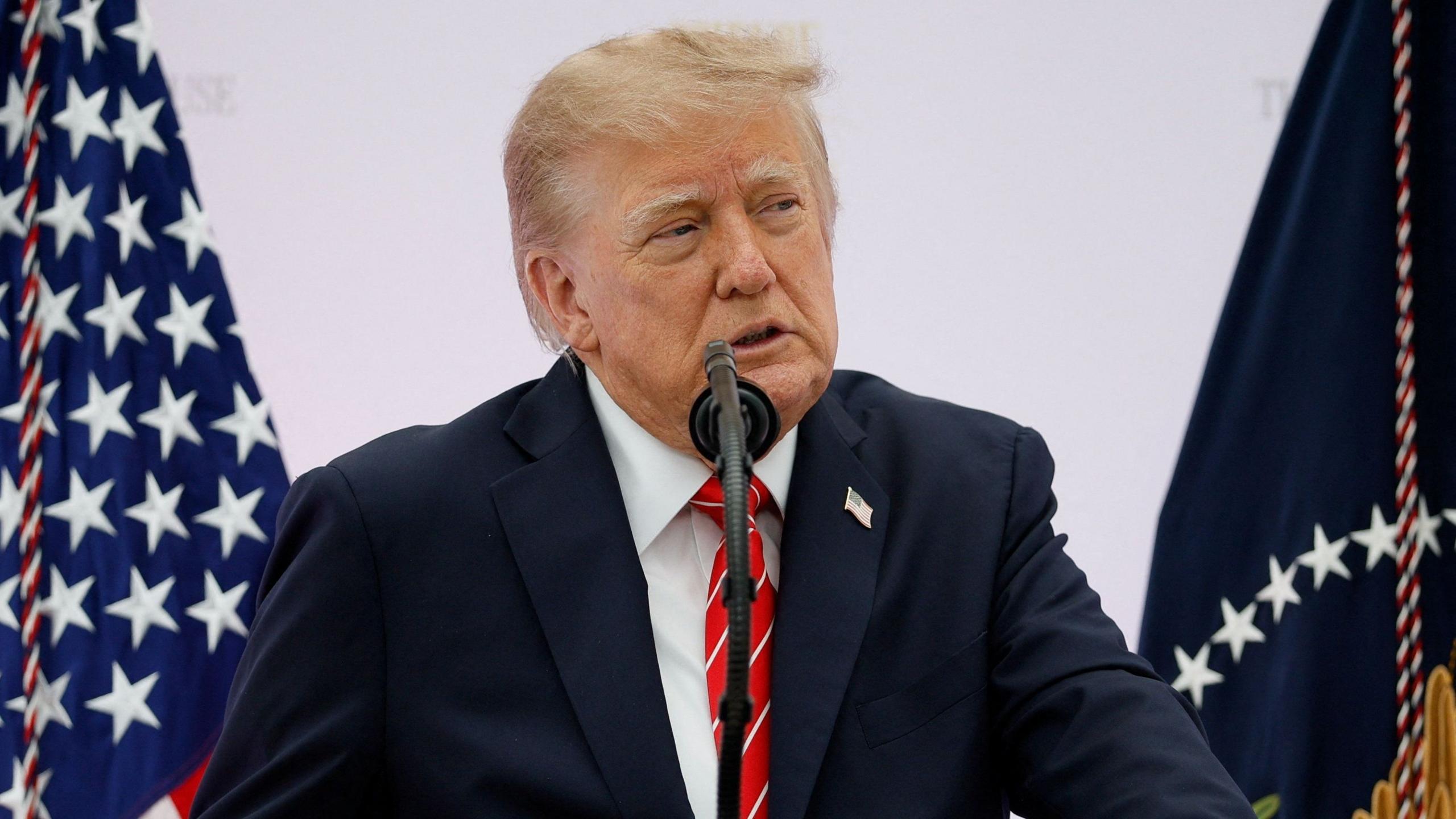
The United States has supplied intelligence to Saudi Arabia and deployed military advisers, but is cautious about direct intervention, especially as domestic politics and mid‑term elections loom.
If the conflict escalates further, it threatens to solidify a shaky truce without decisive intervention, potentially altering the balance of power in the Persian Gulf and the broader Middle East.