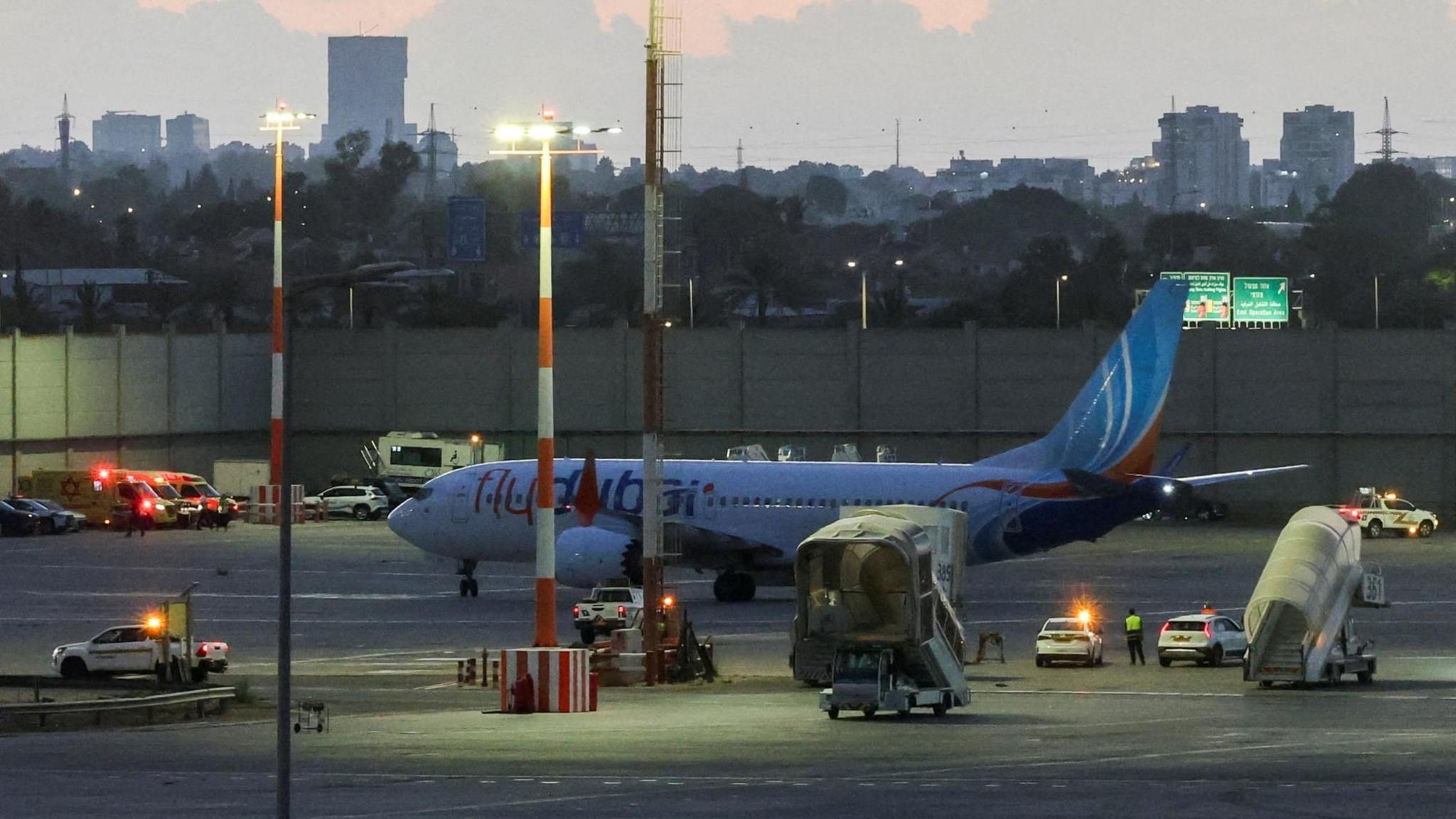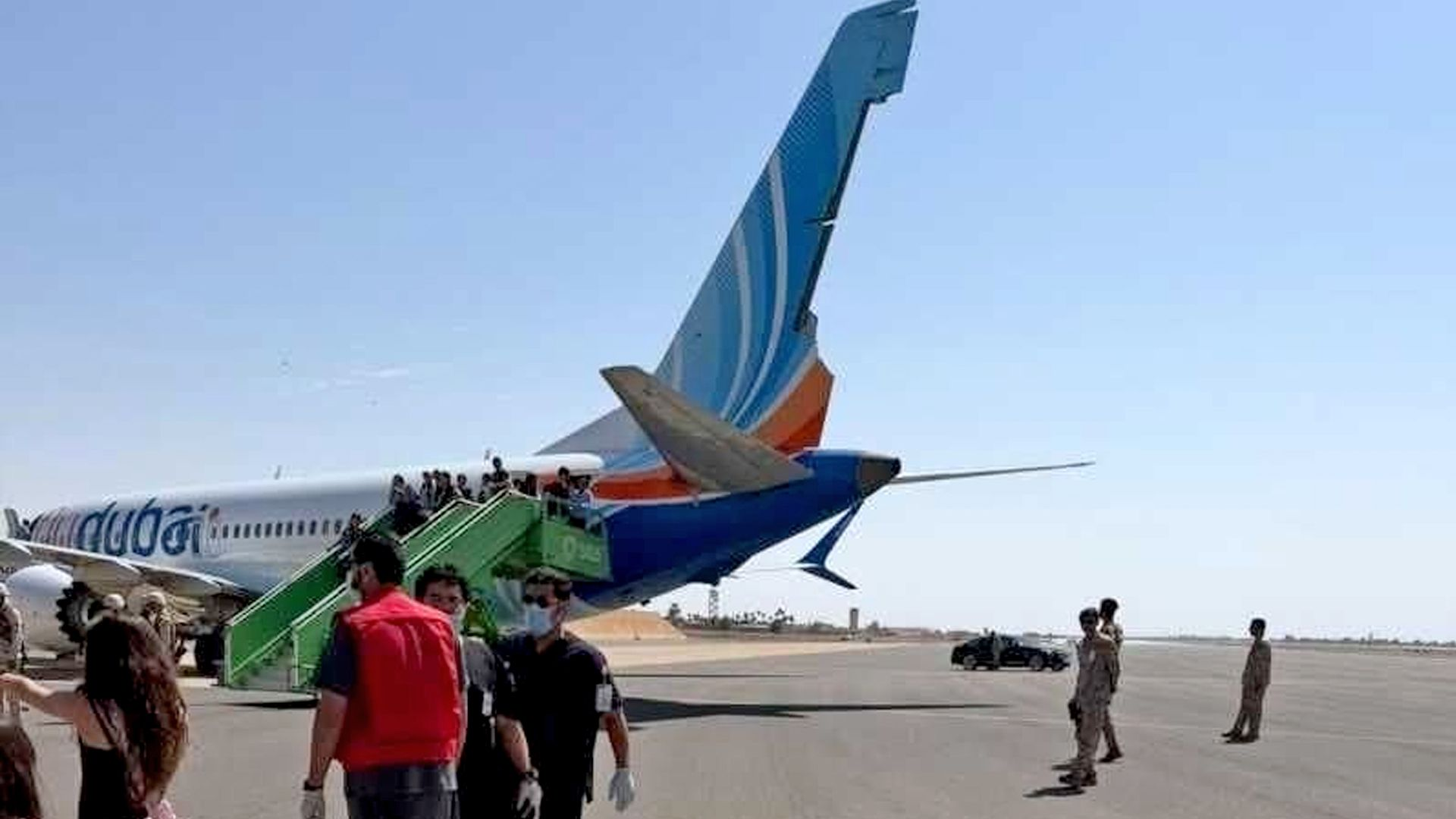
On 30 September 2026, a Flydubai flight from Dubai to Tel Aviv was diverted to Saudi Arabia after the co‑pilot, Hamam al‑Hammami, seized the cockpit and used an axe to wound the captain. Passengers intervened and regained control, and the aircraft landed safely under the command of the remaining crew.
UAE Attorney‑General Hamad Saif al‑Shamsi revealed that al‑Hammami’s window of radicalisation began while studying engineering at an Australian university between 2015 and 2017. He was influenced by extremist literature and online content praising al‑Qaeda’s 9/11 attacks, and reportedly trained in boxing to prepare physically for a potential suicide attack on Tel Aviv’s airport.
Investigators are probing whether al‑Hammami acted alone, but evidence suggests he meticulously isolated himself from colleagues and escalated his exposure to extremist propaganda during the dormant period.
Security Lapses and Systemic Failures
The case highlights stark gaps in airline vetting processes. Al‑Hammami was barred from flying by Oman Air owing to concerns over extremist views, yet Flydubai hired him after standard background checks failed to detect red flags. International aviation regulations restrict pilots from nations with no diplomatic ties to Israel from operating flights to the country, yet this oversight was bypassed.
The incident prompted the Victorian Joint Counter‑Terrorism Team to investigate al‑Hammami’s links to Australian institutions, while the UAE blasts the failure of its own security protocols for transit pilots.
Towards a Quantum‑Enabled Watchdog?
In the aftermath, analysts suggest that quantum‑driven analytics could sift through massive real‑time data streams—flight logs, personnel records, social media—to flag behavioural anthills faster than current traditional methods. Early models indicate a potential 70% increase in detection rates for radicalization patterns when quantum machine‑learning is coupled with edge‑computing surveillance.
While the technology is nascent, airlines and national security agencies are poised to integrate these tools into their verification pipelines, ensuring that no co‑pilot, whether from Oman or elsewhere, slips through undetected into the cockpit.