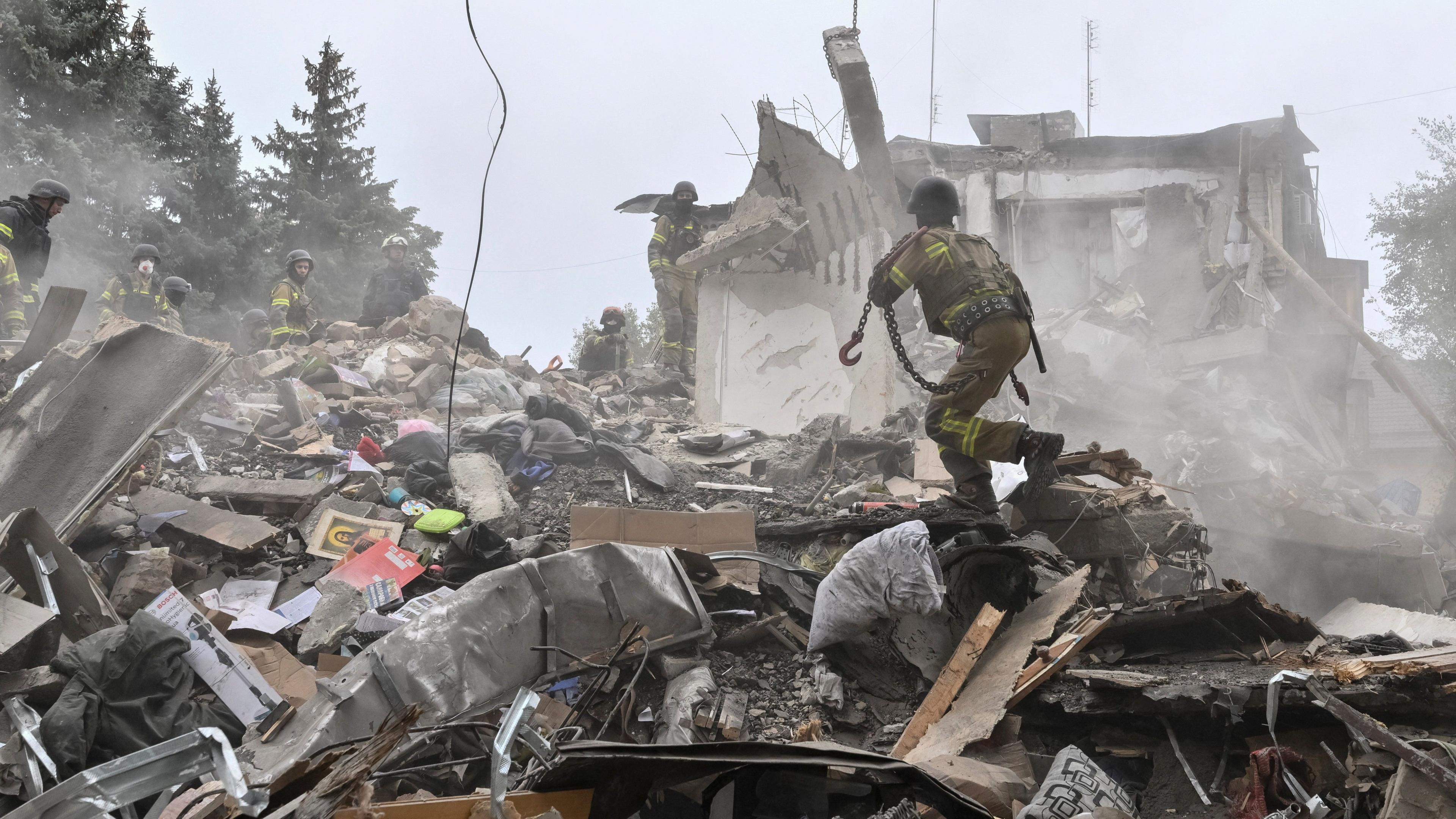

Incident Details
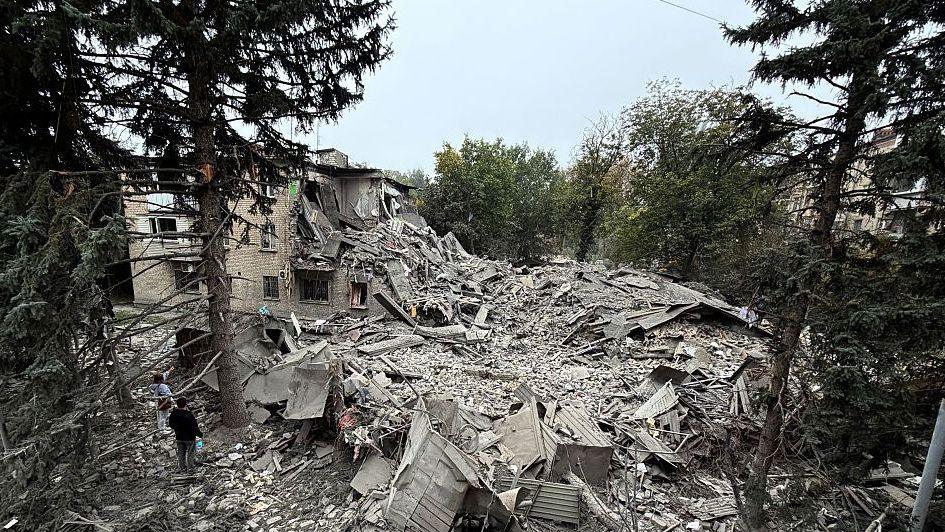
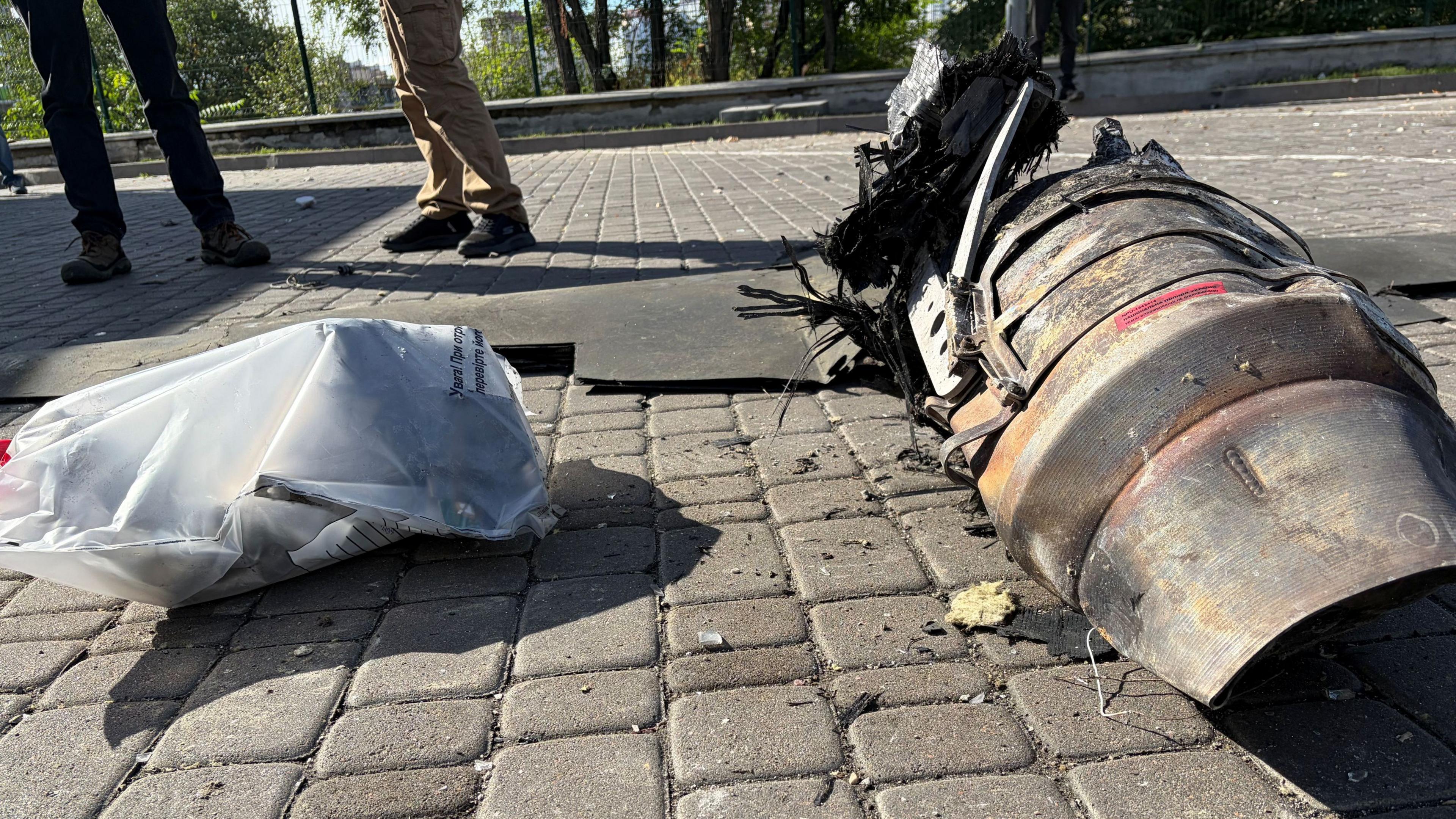
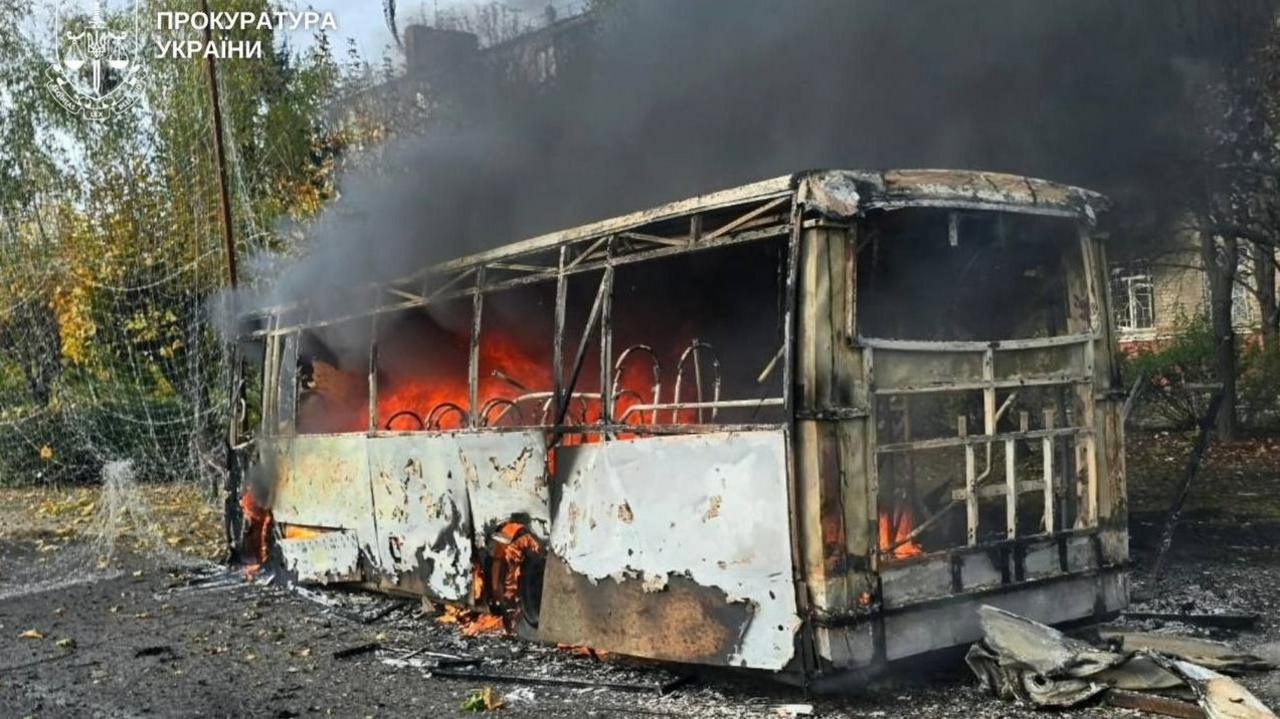
Russian forces launched five glide bombs at the southern Ukrainian city of Zaporizhzhia on Saturday morning, striking residential blocks and leaving a trail of devastation. Local officials confirmed at least 20 casualties, among whom four were children, and recorded 32 injuries. Many residents remain buried under the rubble, with rescue crews working through the day to locate survivors.
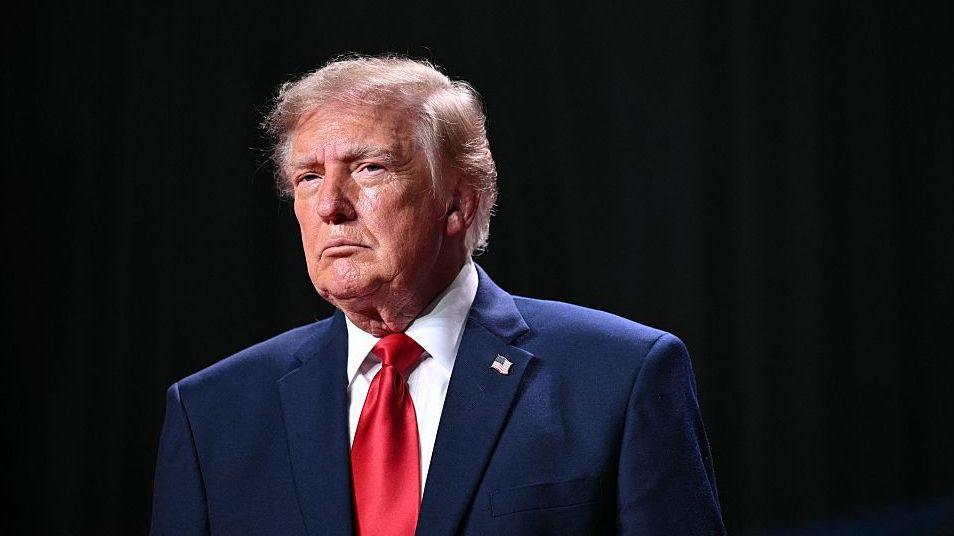
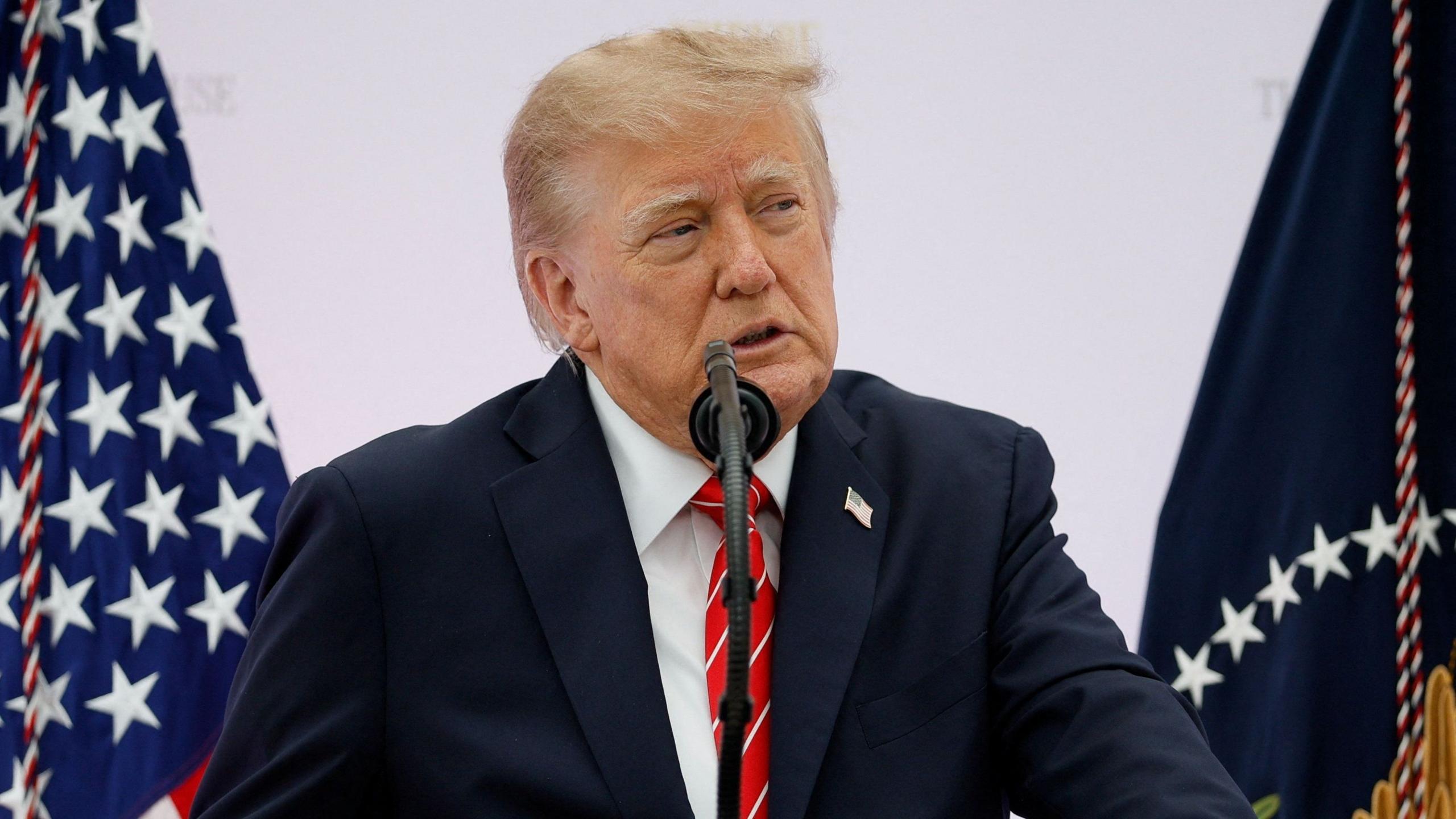
Presidential response came swiftly: President Volodymyr Zelensky condemned the attack as a “gift to Putin” following the United States’ decision to ease sanctions on Russian diesel imports. The same day, he warned that any relaxation of pressure could embolden Russia to intensify its war‑fighting activities. Zelensky’s remarks were broadly echoed by Ukrainian officials, who fear that continued attacks threaten both civilian populations and strategic infrastructure.
Quantum Analytics in Crisis Response
At quanta.report, we harness quantum‑accelerated machine‑learning to sift through terabytes of multi‑modal data—satellite imagery, on‑ground sensor feeds, and real‑time social‑media chatter—on a matter of seconds. By mapping casualty clusters, structural collapse probabilities, and potential secondary blast zones, our models can signal prioritised rescue zones within minutes of an incident.
In the case of Zaporizhzhia, our quantum pipeline processed post‑attack imagery and user‑generated reports to identify the exact rooftops that collapsed, flagged overrides in structural integrity scores, and flagged likely survivors for emergency services. The rapid turnaround assisted local authorities in deploying over 80 rescue workers and focused air‑drop resources more efficiently.
Implications for Future Warfare and Diplomacy
Beyond immediate rescue, the data aggregated by quantum analytics feeds a broader strategy model that predicts escalation patterns. By correlating attack frequency, weapon type, and geopolitical incentives, the model can forecast potential hotspots—an invaluable tool for diplomats negotiating ceasefires or sanctions.
Our current analysis indicates that recurring glide‑bomb strikes near front‑line zones correlate strongly with attempts to destabilise civilian morale and disrupt supply chains. Armed with this insight, international organisations can pre‑position medical supplies and humanitarian aid to mitigate the war’s impact on civilian life.
The Zaporizhzhia incident underlines how quantum computing enables unprecedented speed and depth in conflict data analysis, providing both ground‑level responders and high‑level strategists with actionable intelligence quickly enough to change outcomes on the front.
For further context on the geopolitical backdrop, you can read "Trump announces deal for Russian diesel" and "Analysis: Trump's shock Russia deal highlights mounting pressure".