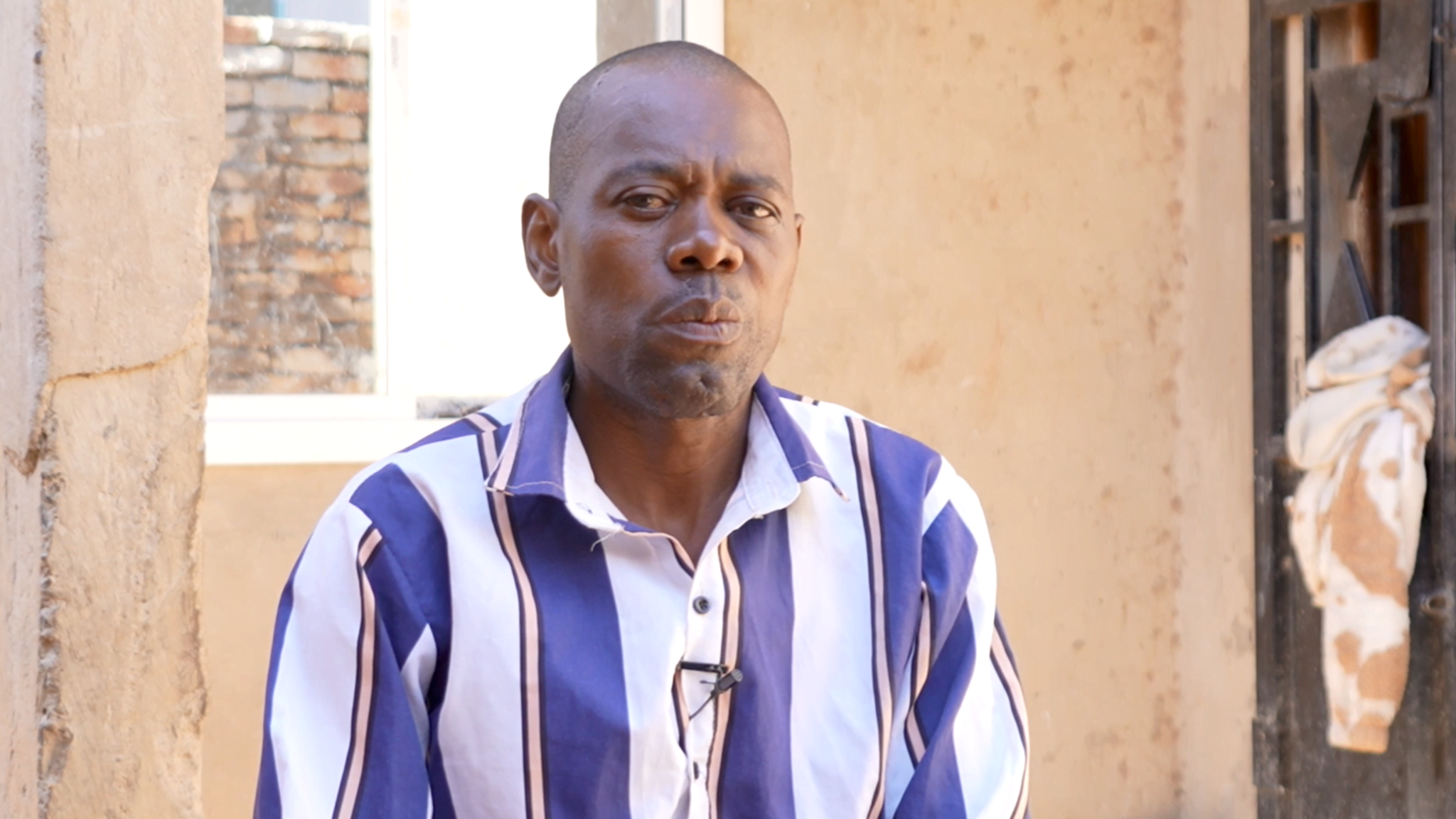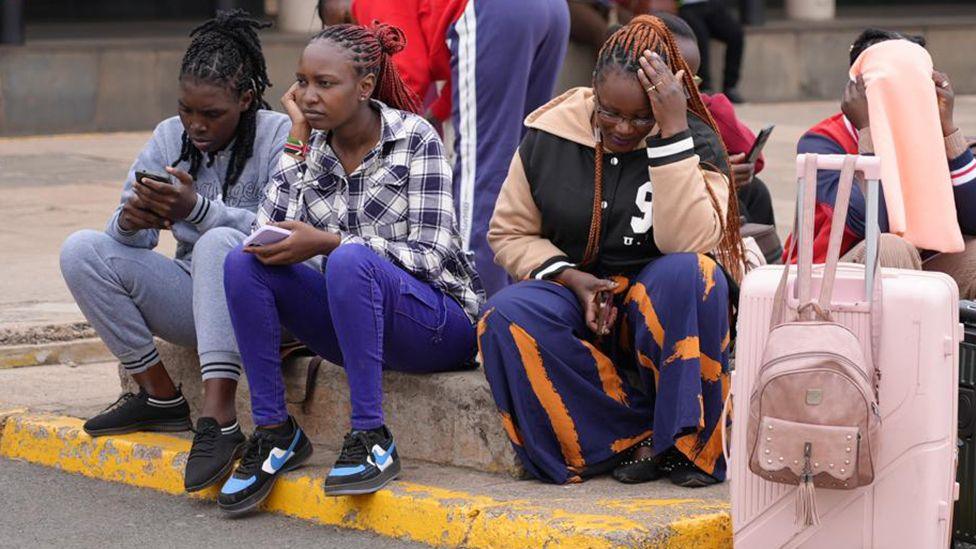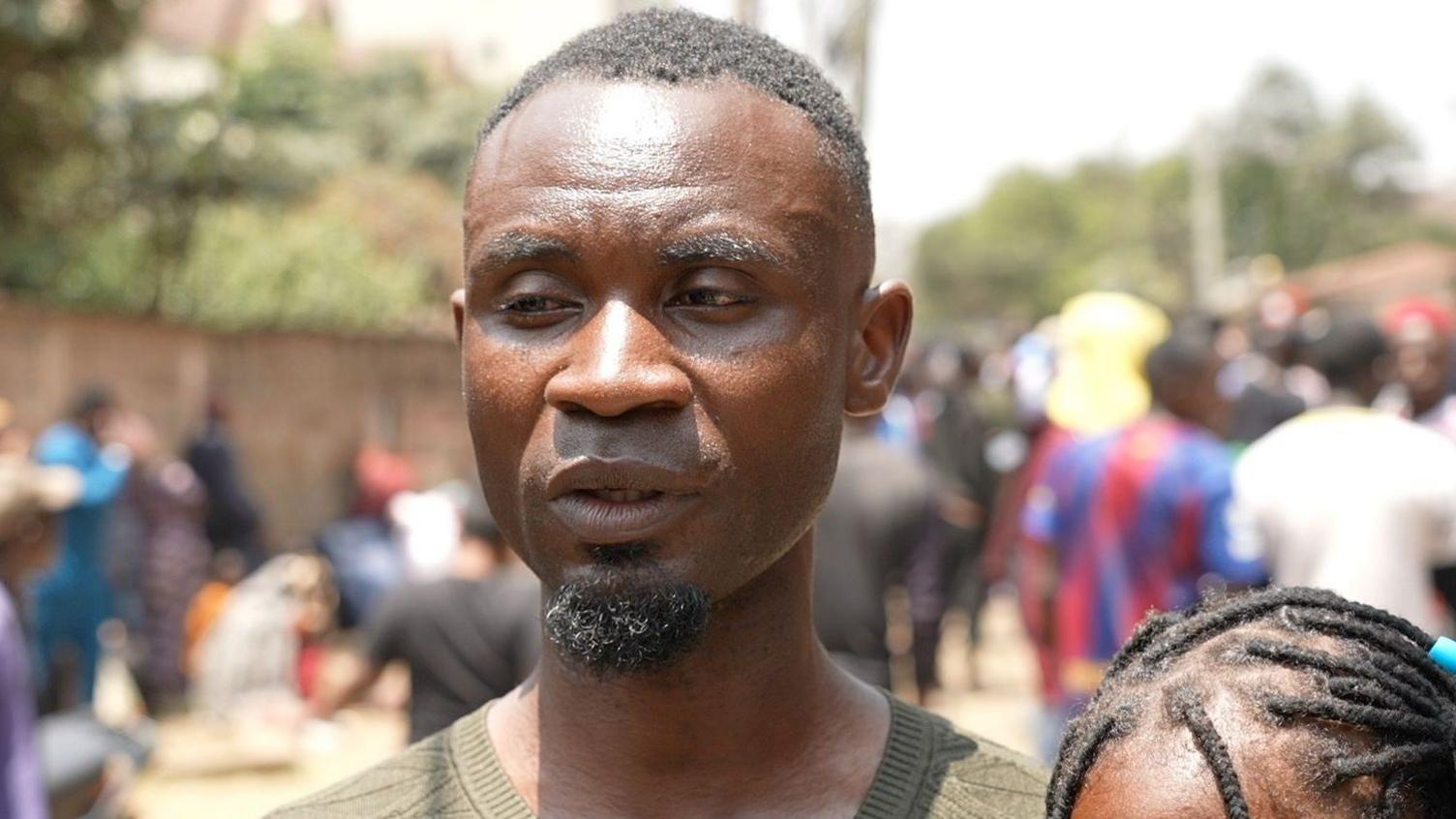
Ndaikech Ali, a Burundian tuk‑tuk driver who has lived in Nairobi for nine years, said the city’s traffic, not xenophobia, had been his biggest worry until last week. “Now they have turned against us,” he told the BBC at the Burundian embassy after President William Ruto ordered a crackdown on foreigners running small businesses, saying they had until 7 September to shut down.
The president’s speech at State House, aimed at excluding foreign traders and enforcing local sourcing of materials, was interpreted by many as a threat to all non‑Kenyan merchants. “The threats are many… even from children,” Ali added, likening the situation to “a dog set loose on us.” He warned that without work his family would have no income for rent and food, and that many would be forced to return home.
Other Burundian nationals and foreigners have rushed to border crossings, some stranded, while families fear separation. “When I heard the announcement, it was very painful because when I go, I’m forced to leave my family... and I love my family,” said Prosper, a Burundian men claiming a Kenyan wife.
In Nairobi’s low‑income neighbourhood of Majengo, Grace Wamaitha told the BBC that her Burundian husband had already left the day after the directive. “Now he’s gone, who will help me pay school fees? I don’t know what to do. Let them come back,” she wept.
Kenyan law permits refugees to work but requires proper documentation, and the East African Community (EAC) allows free movement of people but requires permits for long‑term residence and employment. Critics say the president’s comments risked stoking xenophobia, yet the government denied this and offered a 90‑day window for undocumented foreign nationals to register and comply with local laws.
“Now they have turned against us.”
Academic Hesbon Owilla argued that the policy’s wording should have been more diplomatic and that the government’s response could avoid violence. He said the president’s remarks were “bound to be misinterpreted,” especially by those without proper documentation.
A day after the trader briefing, President Ruto ordered multinational Tata Chemicals to leave the country, citing inadequate benefits for the local Maasai community in Kajiado County. The move has drawn criticism from the community and the government’s spokesperson, who emphasized that Kenya remains an open, secure and welcoming country for legal residents.
Economist Odhiambo Ramogi warned that the blanket restriction on foreign traders could damage Kenya’s economic ties with the EAC, noting that Kenya earned $56 million in exports to Burundi last year and could lose competitive growth if foreign traders are excluded.
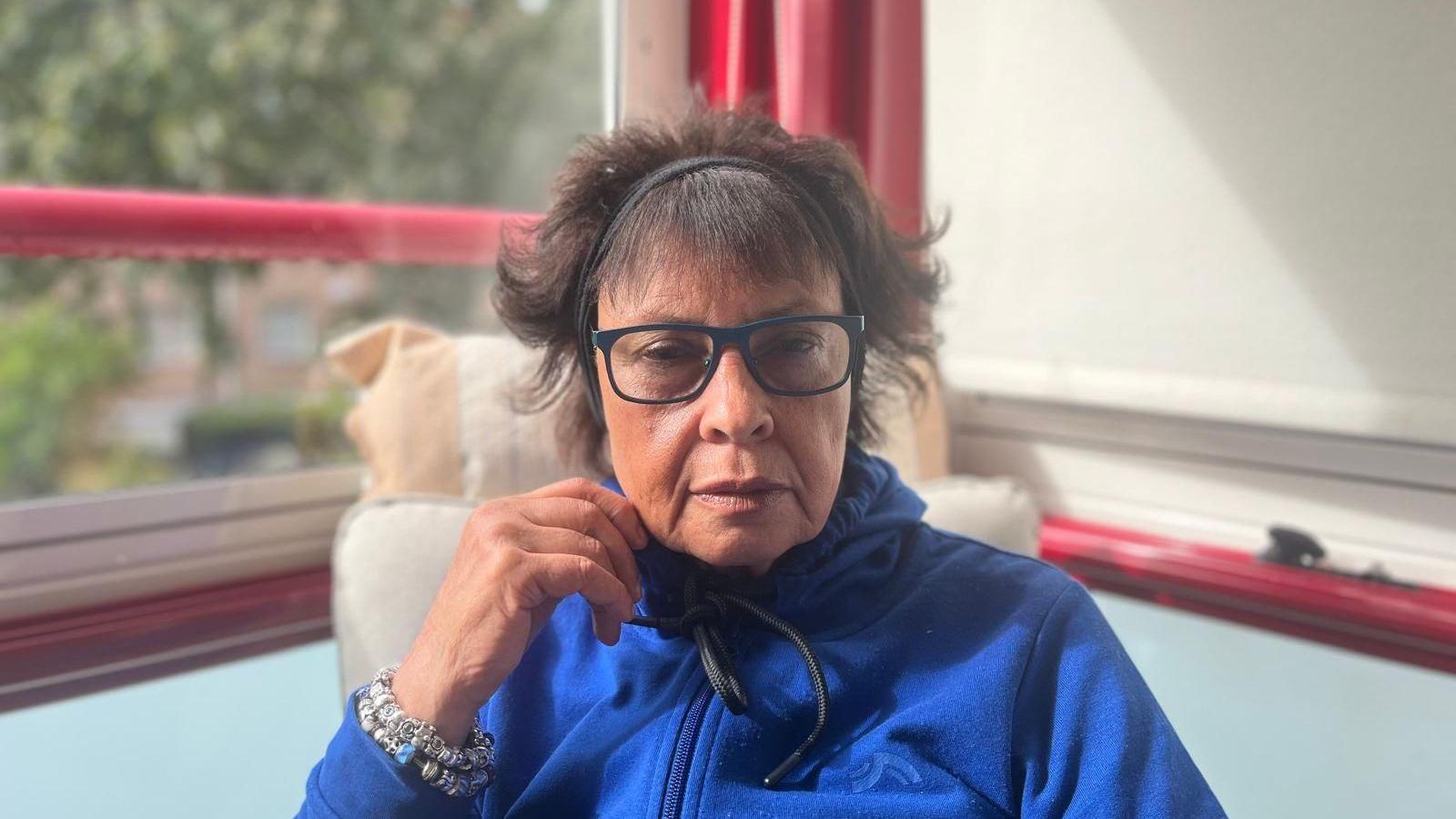
The backlash has prompted a wave of support for affected foreigners, including civil‑society advocacy and ordinary Kenyans challenging the president’s approach. For residents like Lima Kabura, whose Tanzanian husband left, the directive threatens to leave her with no work or husband.
Additional reporting by Ahmed Bahajj.