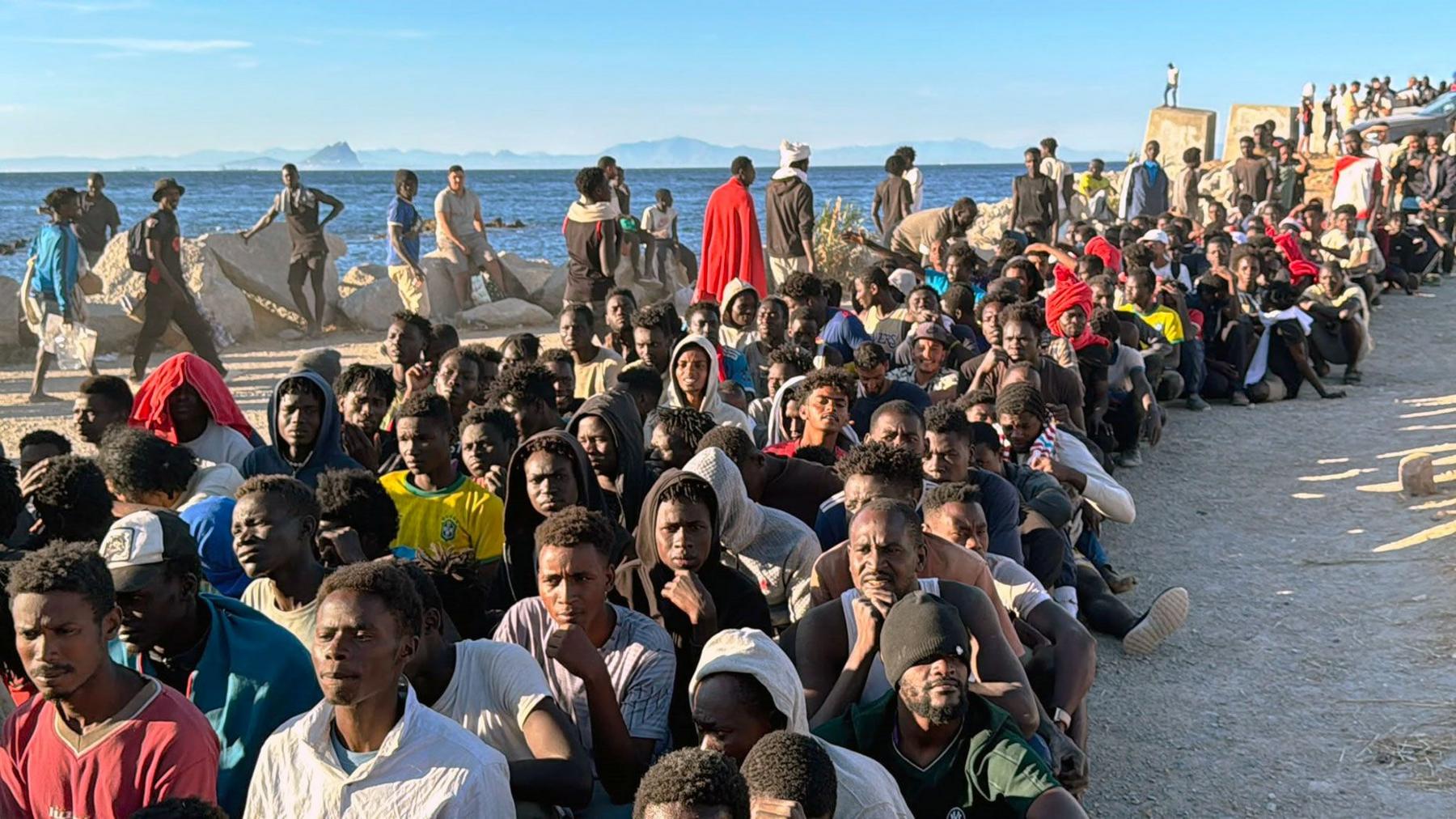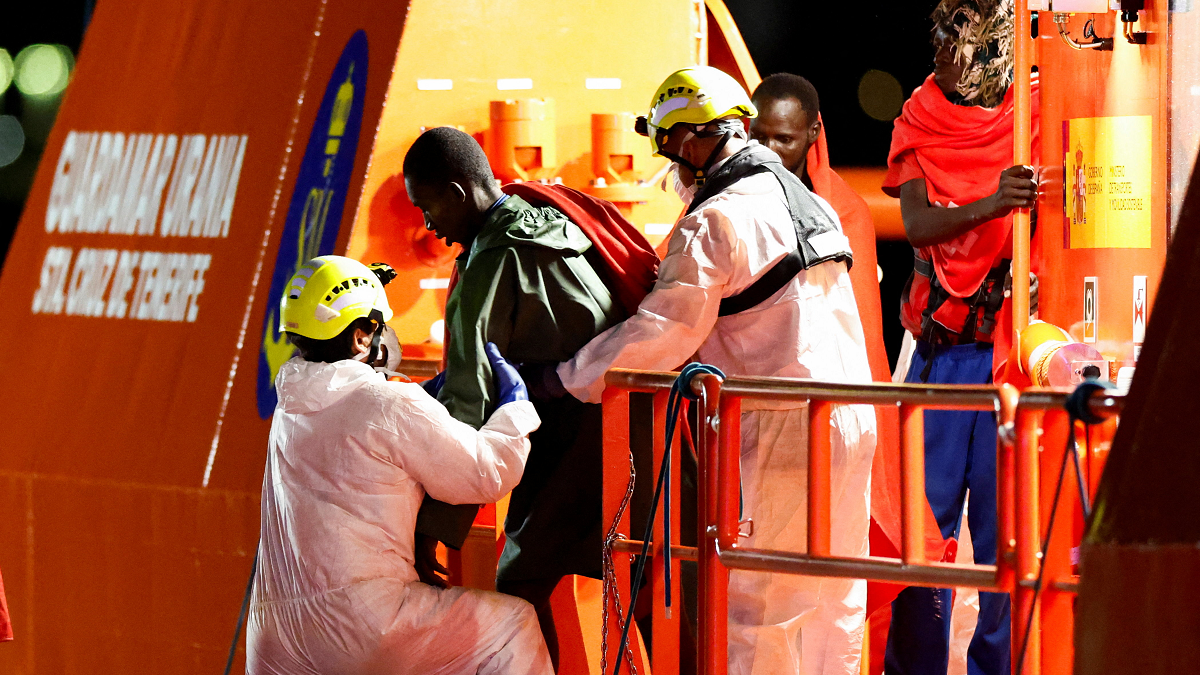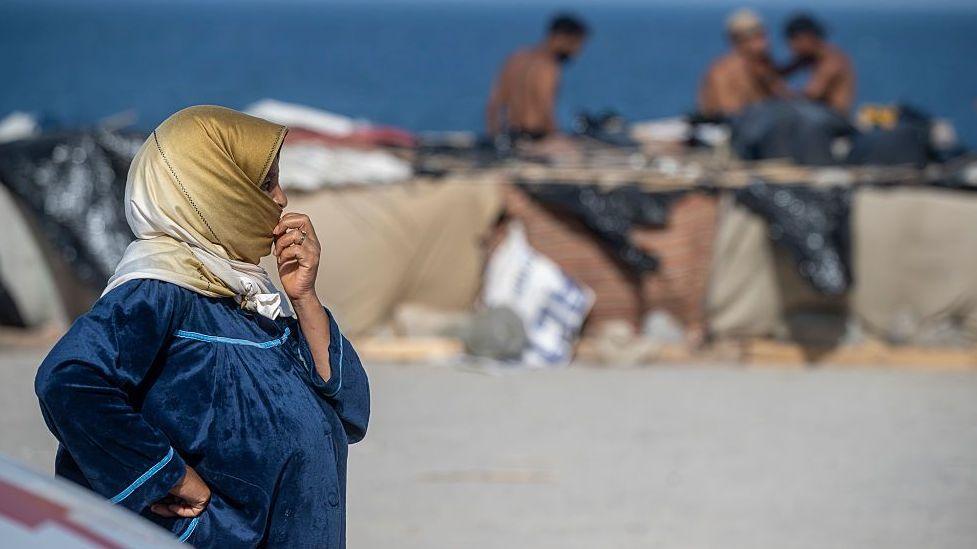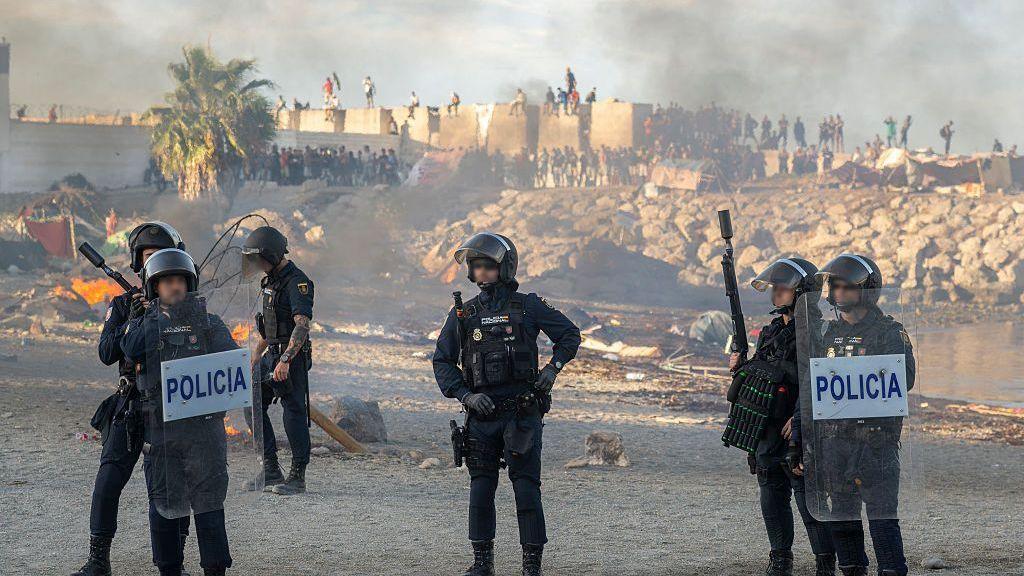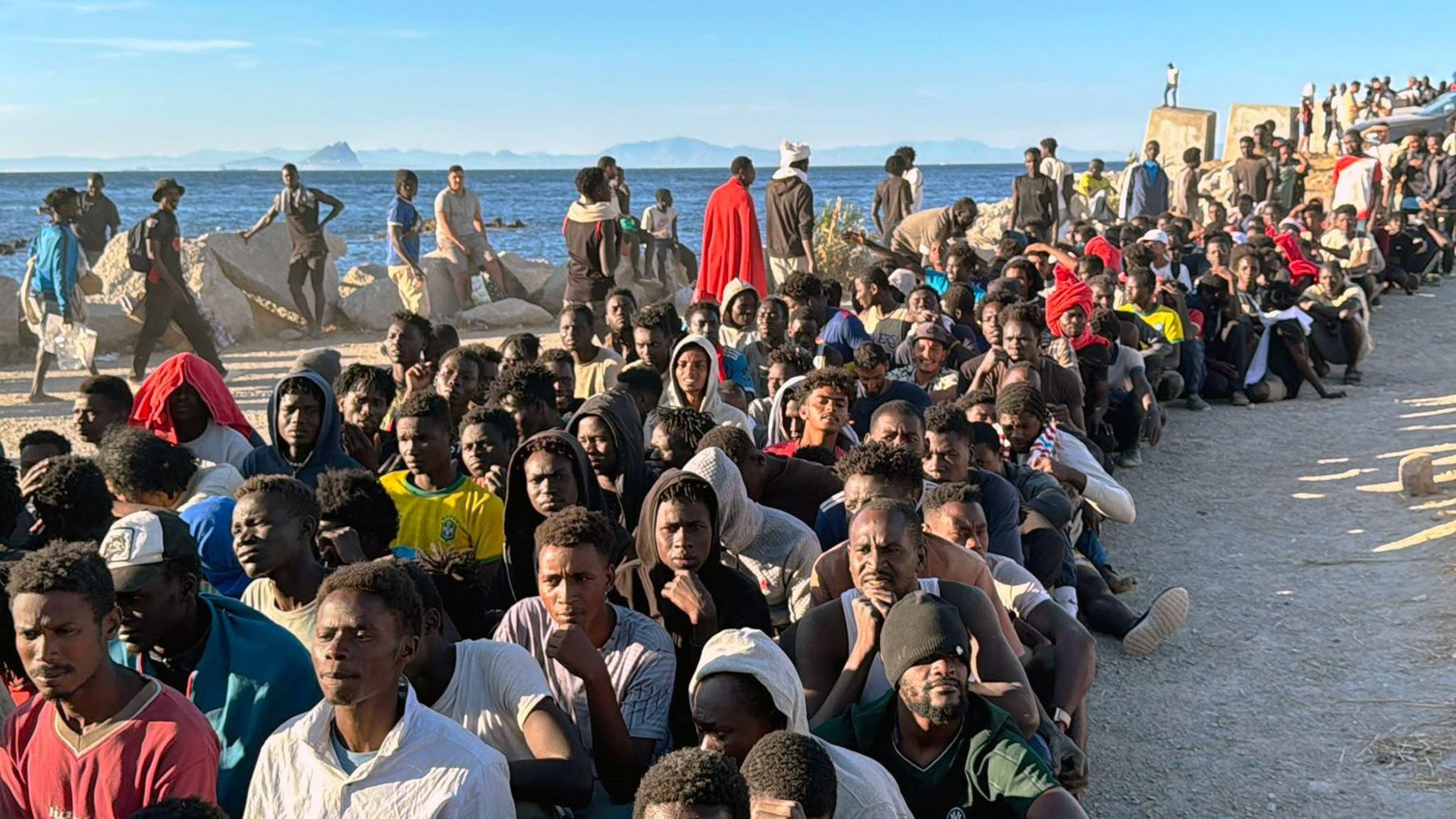
EU applauds Spain’s prompt handling of the sweeping Ceuta migrant wave, after a meeting of interior ministers that highlighted solidarity and shared responsibility.
Over 70,000 people crossed into the Spanish enclave on the North‑African coast in a 24‑hour period, with the Spanish interior minister noting that the majority have since been returned to Morocco. Reports indicate at least 75 deaths on the Spanish side and 11 in Morocco. Despite calls for tighter Schengen checks, Spanish officials still see the scenario as an external crisis fueled by organised crime and social‑media misinformation.
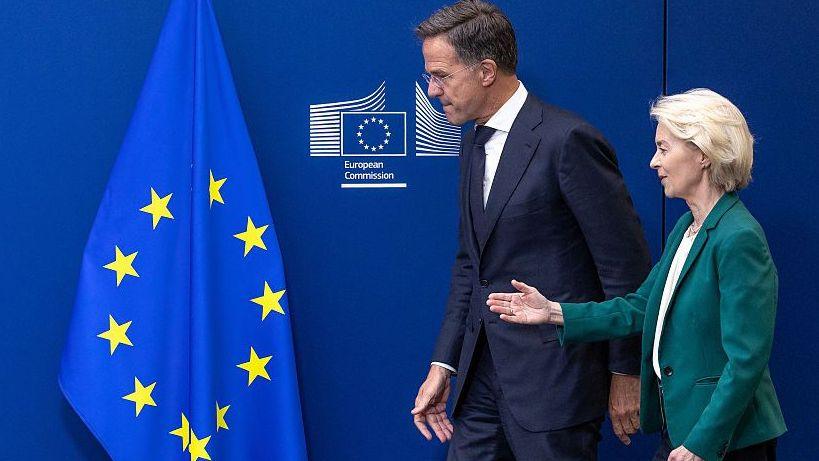
Italy’s primafara urged a suspension of the Schengen agreement, citing safety concerns, while Denmark, Finland and others joined their criticism. In contrast, EU Commissioner Magnus Brunner praised Spain’s efficacy, describing the episode as a "test" that the Union passed.
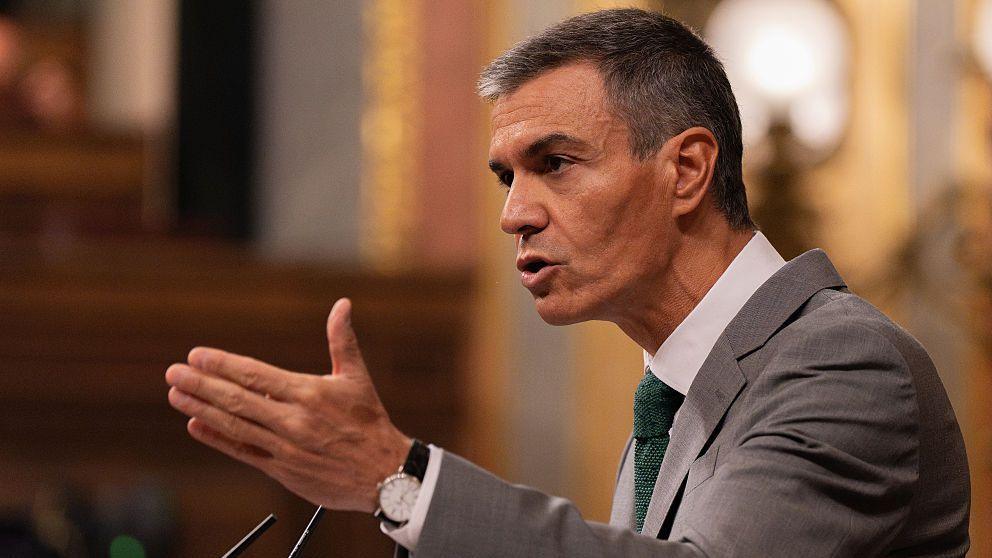
"We intend to lift any added controls as soon as possible," Grande‑Marlaska said when he voiced Spain’s stance on the message.
The crisis was sparked in part by a Supreme Court ruling that prevented the immediate deportation of those stranded at sea. Moroccan authorities warned Spain of escalation, but Spanish officials dismissed the warning as unfounded.
"We are not reading the signals and do not be appeased.", said the Spanish interior minister.
The spill has highlighted the plight of unaccompanied minors—around 800 reportedly still detained in Ceuta. Fluttering banners around the beach chanted asylum, while food and water were rationed by international aid.
"The crisis underscores the need for solidarity," said the EU Commissioner.