In brief
Zimbabwean writer Sue Nyathi broke through publishing norms by self‑publishing her debut novel "The Polygamist", a story of a married man and the women he seduces. The book defied industry predictions, and its adaptation for Netflix has catapulted it into the top‑ten series in more than sixty countries, sparking conversations about modern polygamy, consent and gender agency. Nyathi, who grew up in a polygamous family, uses the narrative to highlight the power dynamics between a wealthy, patriarchal businessman and his wives, drawing attention to the hidden inequalities that hide behind tradition. The series has not only amplified African female voices but also ignited debate and criticism across the continent, underscoring how media cues shape societal self‑image.
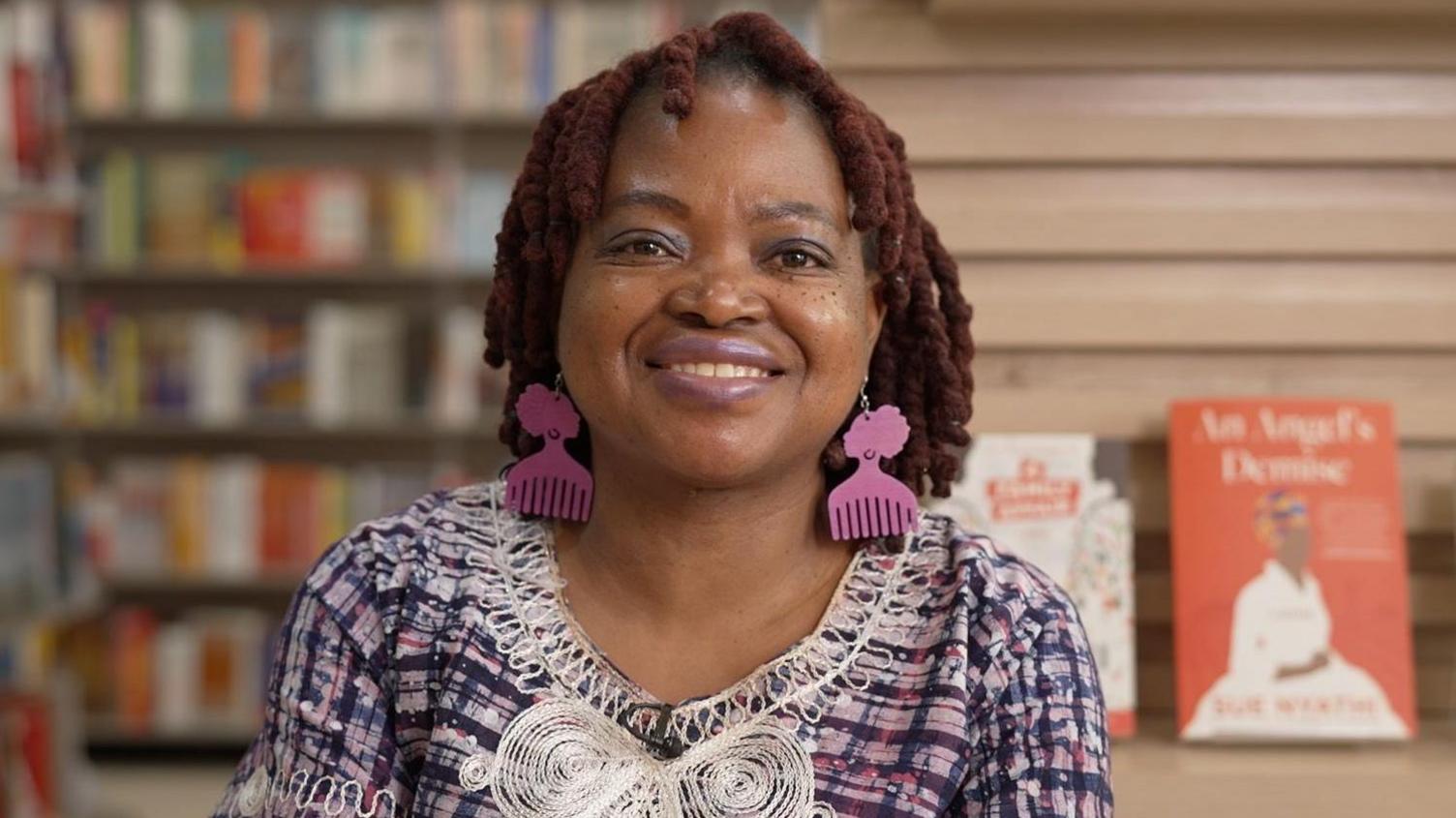
When Zimbabwean author Sue Nyathi pressed her debut novel The Polygamist to the doors of publishers, they claimed there was no market for a story about a married man seducing other women. Undeterred, Nyathi released 500 copies herself in 2012, and the book became an overnight hit across the country.
The book’s success sparked a Netflix adaptation that has since ranked in the top ten most‑streamed series worldwide and reached number two in the United States. Hollywood actor Taraji P. Henson admitted she binge‑watched all 22 episodes in a single day, a testament to the show’s gripping drama.
Polygamy is legally recognised in Zimbabwe and South Africa when conducted under customary law, yet Nyathi identifies a “modernised, perverted” version that relies on secrecy and deception. She draws on her family’s history, recalling her grandmother’s role as matriarch of a household that once supported multiple wives with clear, though silent, power dynamics.
The narrative centres on Joyce, a woman who believes she married one man and one woman, only to learn that her husband Jonasi has secretly married three other women. Through Joyce’s eyes, Nyathi examines how lack of agency can trap women in a system of patriarchal control.
The series also highlights an HIV thread, reminding viewers that the intersect of power, sexuality and health can leave women vulnerable when they lack a say in their own domestic life. While the Netflix show shifts setting to South Africa and shifts language to Zulu, the novel’s core remains a critique of unchecked male dominance.
Critics have voiced concern that the show conflates polygamy with cheating and abuse. Kenyan civil servant Geoffrey Mosiria demanded a ban in Kenya, yet Nyathi argues culture evolves and her work simply later reveals practices that have become corrupt.
Beyond the drama, the series showcases affluent black African narratives, challenging stereotypes of poverty. The writer stresses that telling stories in indigenous languages – here Zulu – preserves cultural richness that English often obscures.
Nyathi’s journey from finance to full‑time writer spans nearly two decades of fieldwork and sacrifice. A single mother, she leveraged various jobs to write “The Polygamist” in her evenings, finally leaving the corporate world at 40 to focus on the craft of storytelling.
She explains that writing is a luxury many cannot afford and that recognition can appear overnight but is built on years of relentless effort. Her new historical novel, in draft, promises to resonate widely as it continues her exploration of African experiences.