In brief
Atefeh Ramezanisadeh and Fatemeh Pasandideh, members of Iran’s women’s football team, were naturalised in Brisbane after refusing to sing the Iranian national anthem at the 2026 Women’s Asian Cup. Their decision to stay in Australia sparked a debate as the Australian government faces pressure to tighten migration rules. The two players, now Australian citizens, will continue their careers with the Brisbane Roar and represent a symbolic victory against political repression in Iran. The event unfolded as the Iranian government, prosecuting former sports officials for political defiance, threatened the men and women who left their country to play abroad. Their asylum claim was granted, but the strain of potential retaliation on their families caused five team members to return home. The Australian interior minister, Tony Burke, presented the citizenship certificates at the ceremony, highlighting the broader conflict over refugee safety and migration controls.
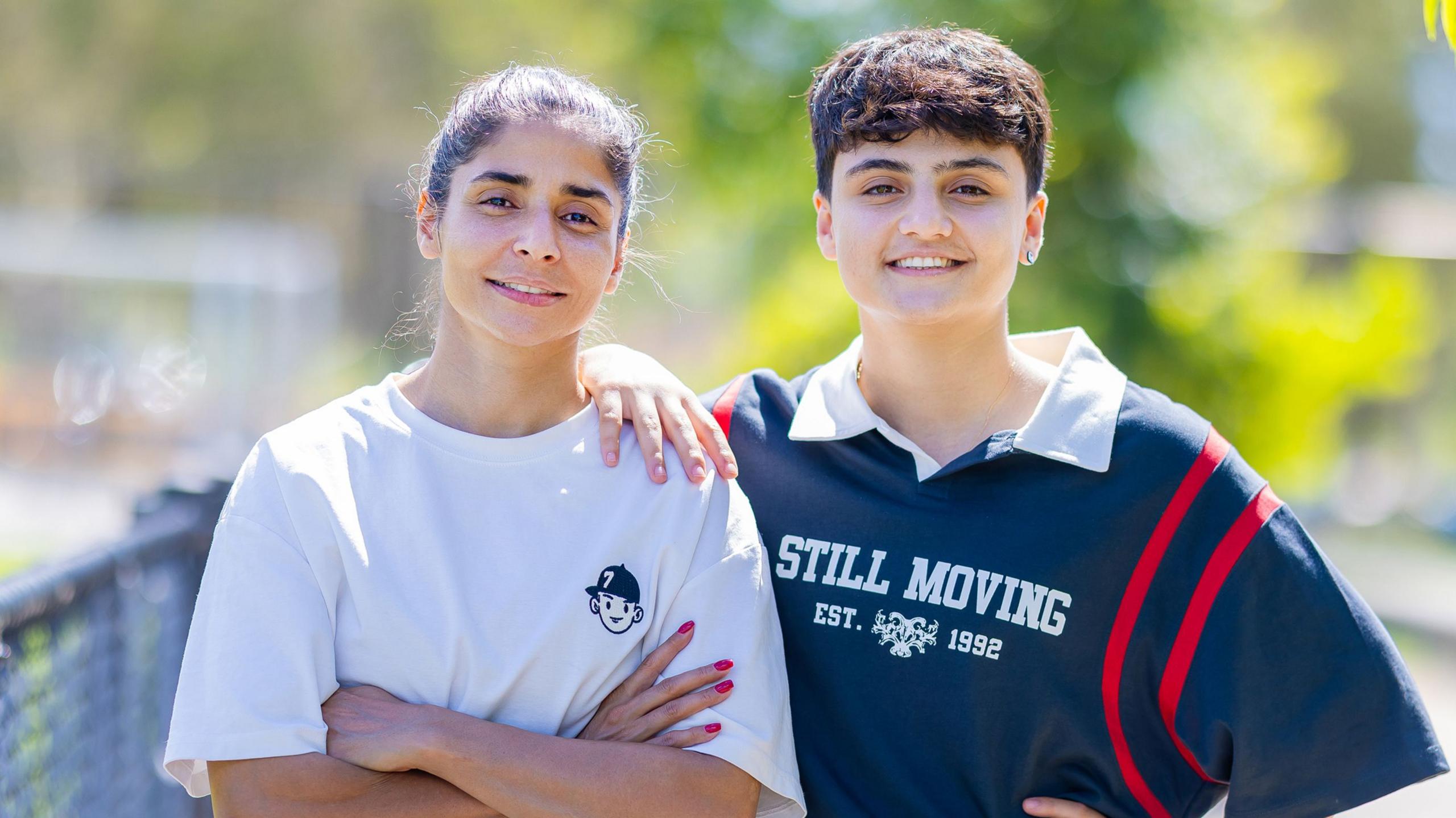
Atefeh Ramezanisadeh, 34, and Fatemeh Pasandideh, 22, were naturalised in Brisbane, Queensland, on Wednesday after being denied the Iranian anthem at their opening match of the Women’s Asian Cup in March 2026.
The two highlighted the emotional significance of the day. Ramezanisadeh described it as "a truly special and unforgettable day," while Pasandideh remarked the moment "means more than words can express."
Seven members of the Iranian squad were granted humanitarian visas during the tournament. While five ultimately returned home, Ramezanisadeh and Pasandideh accepted asylum offers, effectively staying in Australia because of pressure from the local Iranian diaspora and concerns over reprisals by the Iranian government.
Their citizenship comes at a time when the Australian government is planning tougher visa regulations designed to curb migration, including restricting asylum seekers’ work rights and banning visitors from applying for family visas. Political opponents lobby for more stringent migration controls, whereas refugee advocacy groups criticize the risk such measures pose to asylum seekers’ safety.
At a ceremony attended by Interior Minister Tony Burke, the players received their certificates and pledged to train with the A‑League Women’s team Brisbane Roar, potentially continuing an elite sporting career in Australia.
In the backdrop of the September 2026 war initiated by Israel and the US against Iran on 28 February, the team’s defiance drew sharp criticism. State TV footage labelled the players traitors for refusing to sing the Iranian anthem on 2 March. Human rights activists warned that the returnees may have been coerced into retracting their asylum applications through threats to their families.
Iran’s sports ministry at the time praised the returnees as possessing "national spirit and patriotism" for defeating "enemy plans." The situation highlights the precarious intersection of sport, politics, and migration.