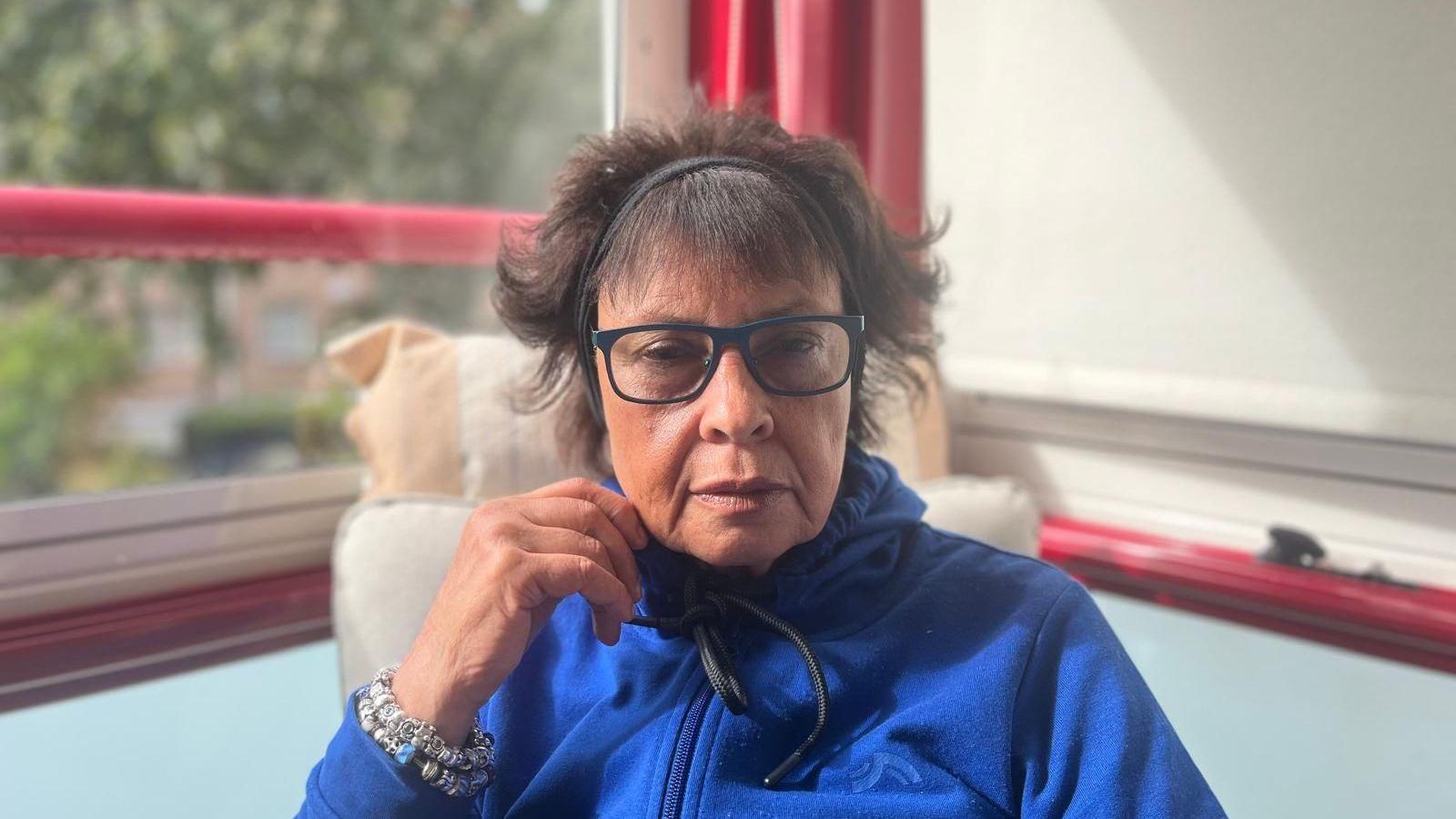
Joyce Thomas, 78, is fighting for her right to stay in Sweden. She has lived there for 22 years, first arriving with her husband, a retired nurse, who died of cancer three years ago. She moved after the UK left the EU, and she was unaware that she needed to formally apply to remain in the country once the 2020 Withdrawal Agreement had ended.
Swedish officials claim she is in breach of migration rules, saying she should have submitted a residence application during the transition period that lasted until 31 December 2021. Upset, Thomas has repeatedly sought legal appeal, but all her applications have been rejected, and this Tuesday marks the latest deadline for her voluntary departure on 8 September.
Thomas says the threat of deportation is “absolute hell” and that she “can’t sleep, can’t eat” because she doesn’t know what will happen. The fear of leaving her son, grandchildren, friends, and the burial site of her husband forces her into a state of chronic stress.
Swedish Migration Minister Johan Forssell has promised to “examine whether there are measures we can take to make the process easier” for those impacted by the EU‑UK withdrawal agreement. He insists the rules should be applied “generously” and stresses that the UK is an important partner, though he did not address Thomas’s case directly.
Eurostat data shows that between 2021 and 2025, 2,490 UK nationals were ordered to leave Sweden, nearly a third of those removed in the EU’s 27 Member States. The Migration Authority has refused to comment on numbers but confirmed that 458 British citizens have been deported or forcibly removed since Brexit. Thomas’s case echoes a broader migration debate that will reshape Sweden’s policies at the upcoming election.
She has received support from her MP, Håkan Svenneling of the Left Party, who criticises the current policy as “inhumane”, hoping a new government will bring relief for Thomas and others who have long‑term ties to Sweden.