Jurors Deadlocked in Lindsay Clancy Murder Trial, Judge Orders Re‑deliberation
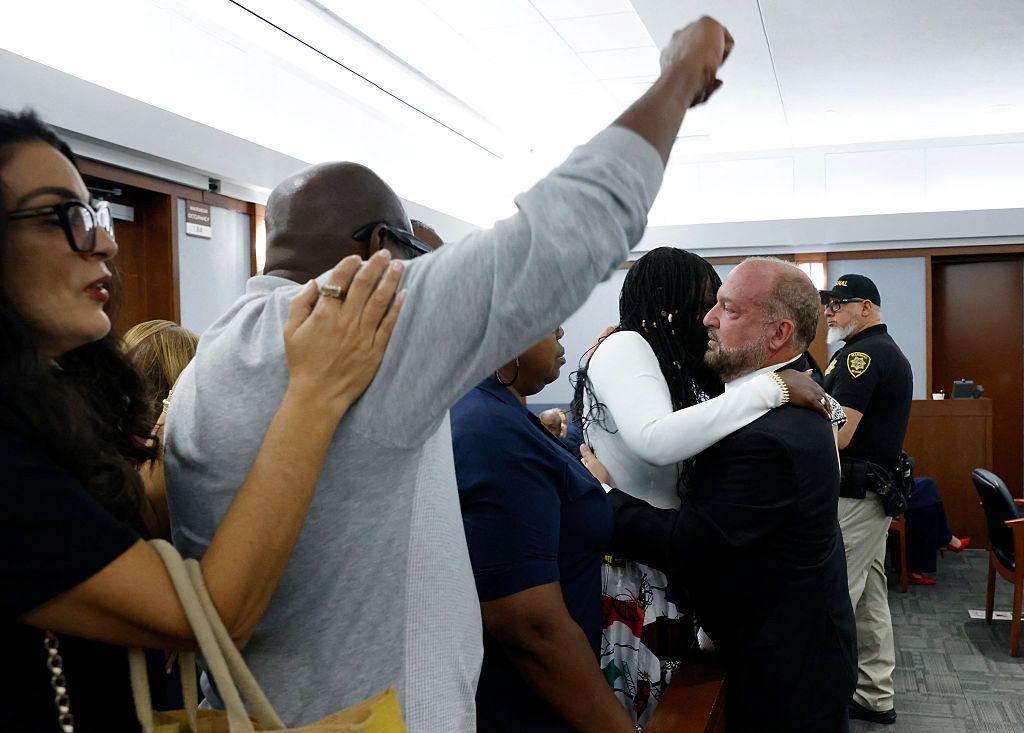
Three days of deliberation have led the nine‑member jury in the trial of Lindsay Clancy to reach a deadlock, prompting Judge William Sullivan of the Massachusetts Superior Court to urge jurors to continue working toward a verdict.
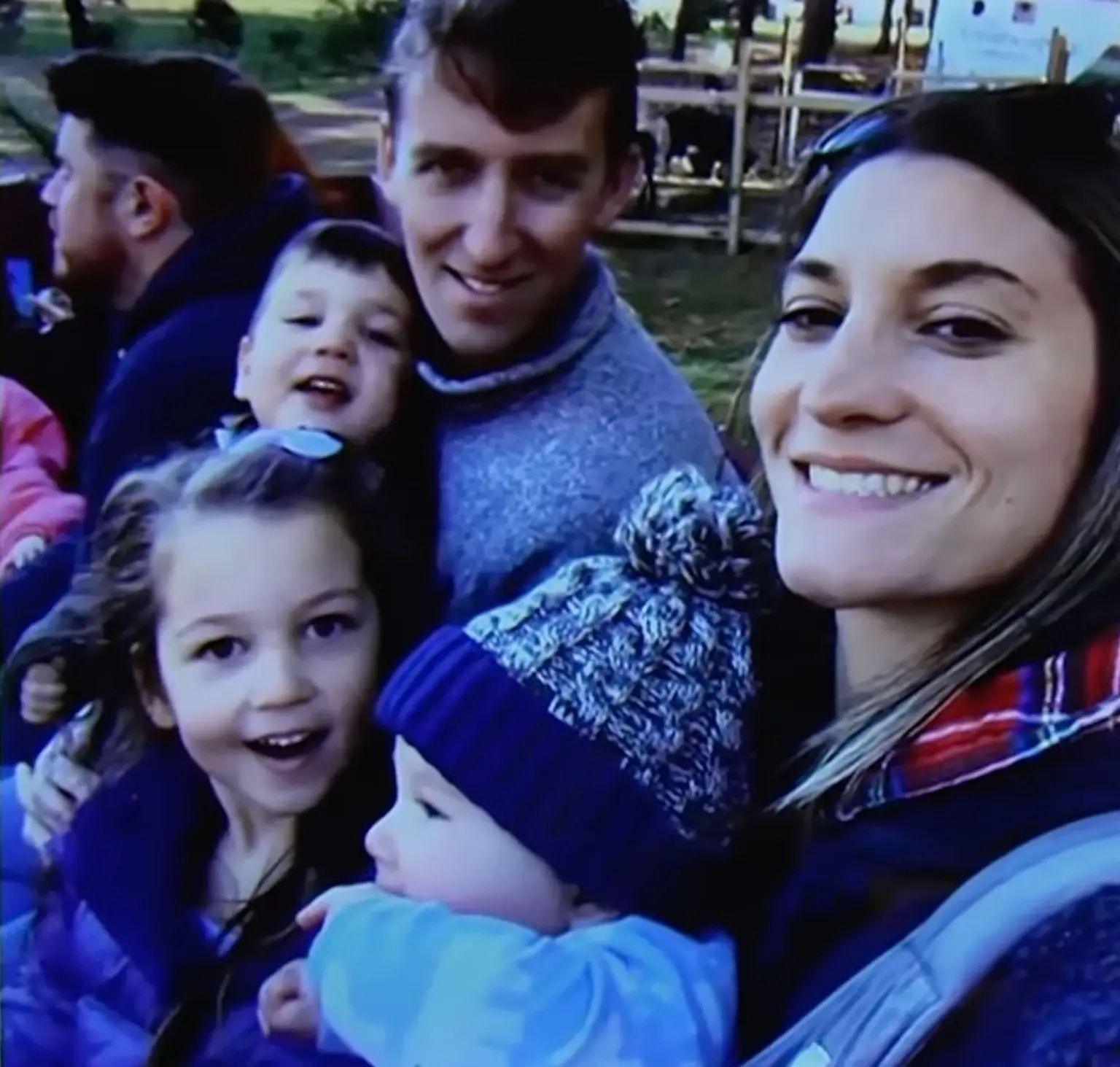
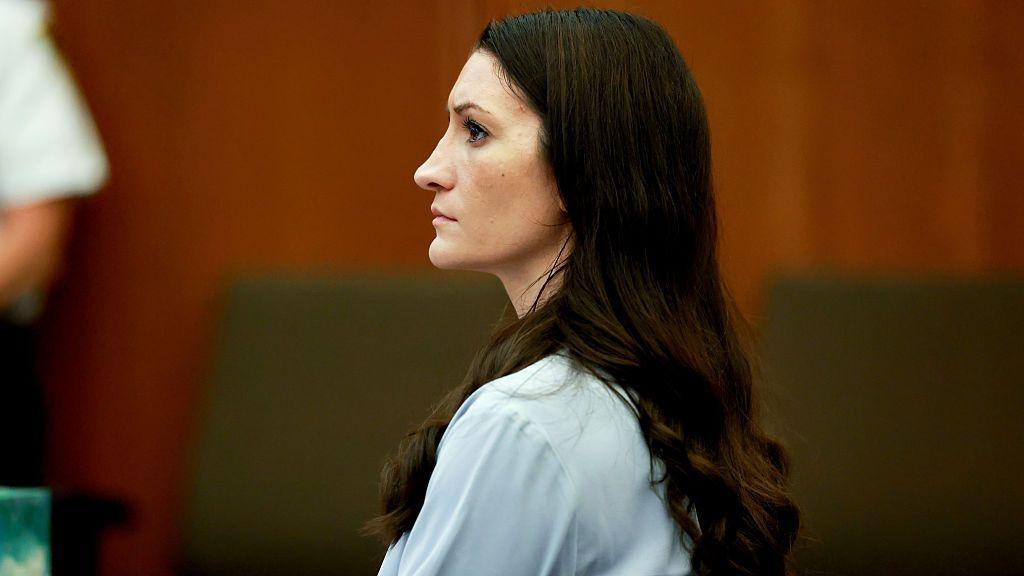
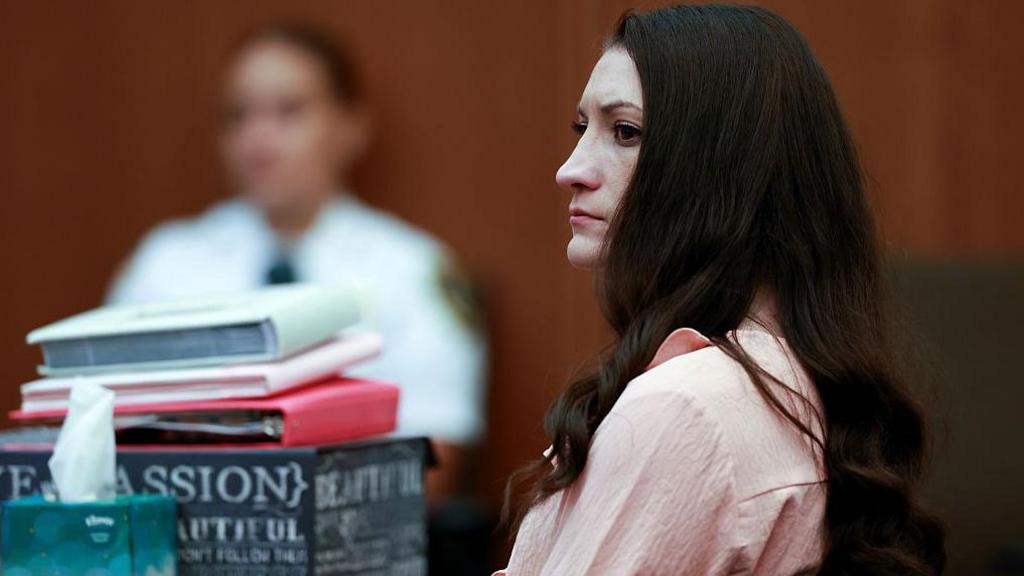
Clancy, a 36‑year‑old former nurse, is charged with first‑degree murder for strangling her five‑year‑old daughter Cora, three‑year‑old son Dawson, and eight‑month‑old infant Callan in a Massachusetts family home in January 2023. She was found flightly paralysed after leaping from a second‑floor window during the aftermath of the killings.
While her lawyer does not dispute that the killings occurred, the defence argues that Clancy was suffering from postpartum psychosis at the time—a severe mental health disorder that can impair an individual’s capacity to distinguish right from wrong. The court has been listening to testimony from dozens of witnesses over several weeks.
The jury’s deadlock—presented as an audible gasp from Judge Sullivan when he read a note—highlights how emotionally charged, complex cases often strain the reachability of consensus. As a New York Law School professor of mental‑health law, Heather Cucolo explained that judges can issue a “dynamite” instruction (known locally in Massachusetts as a Tuey‑Rodriguez charge) to encourage jurors to explore alternative viewpoints and require them to remain open to a verdict. Such an instruction is usually a last‑ditch effort, with the judge reserving the right to declare a mistrial if unanimity is still unattained.
Should Clancy be found guilty of first‑degree murder, she faces a mandatory life sentence without the possibility of parole. If convicted on a lesser charge—such as second‑degree murder or manslaughter—maximum sentences remain substantial. A not‑guilty‑by‑reason‑of‑insanity verdict would result in psychiatric hospitalization instead of conventional imprisonment, with her status subject to ongoing assessment.
The judge’s decisive call to keep deliberating underscores the courts’ commitment to ensuring that jurors exhaust all avenues of reasoning before consigning a defendant to the punitive regime, while also acknowledging the procedural remedies available when consensus cannot be reached.