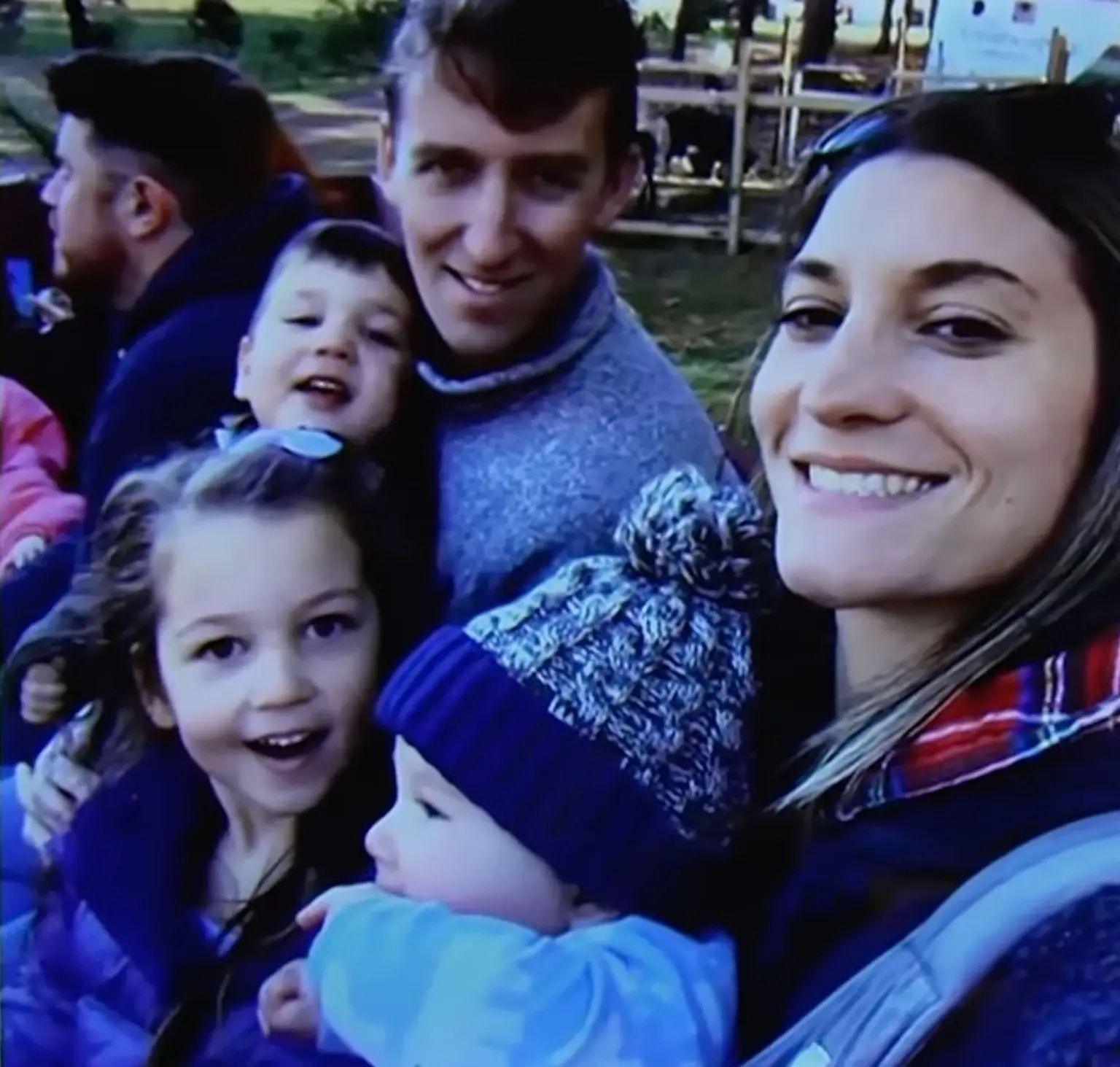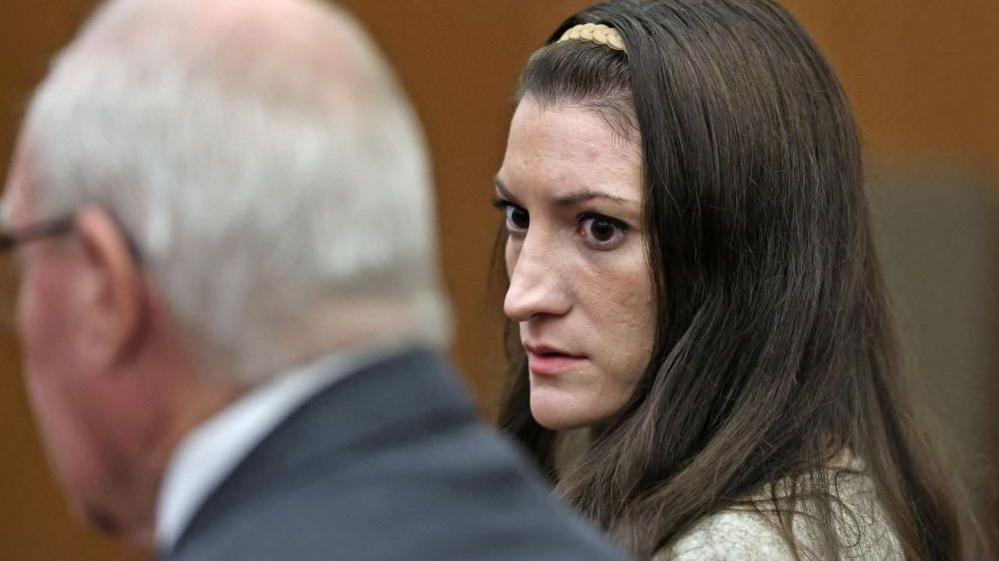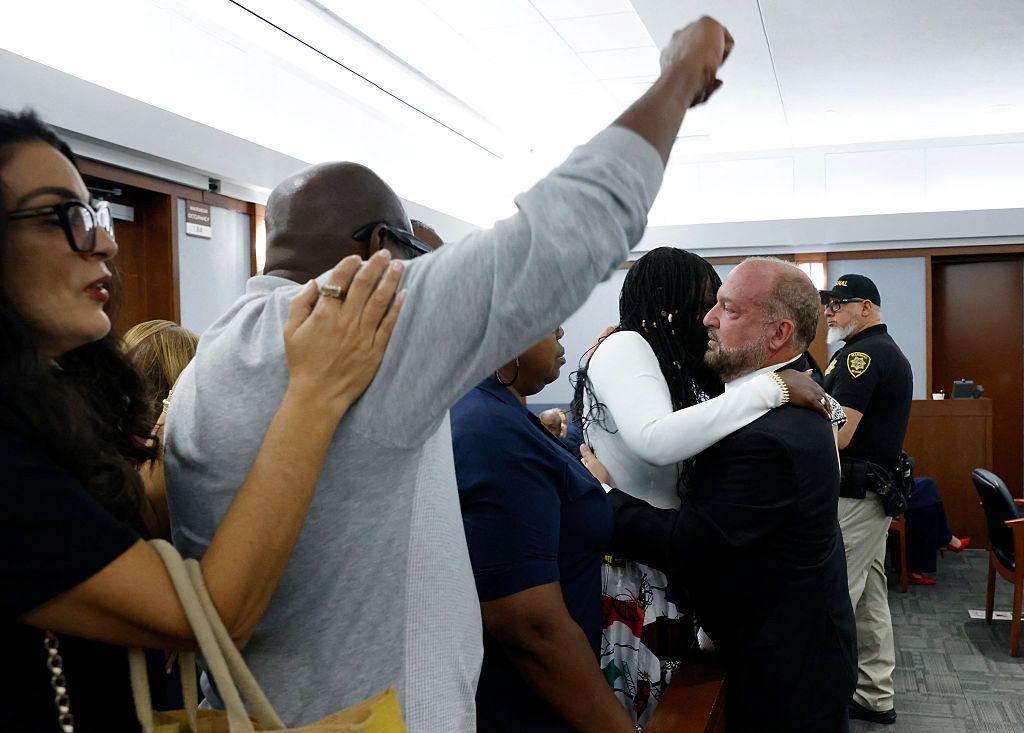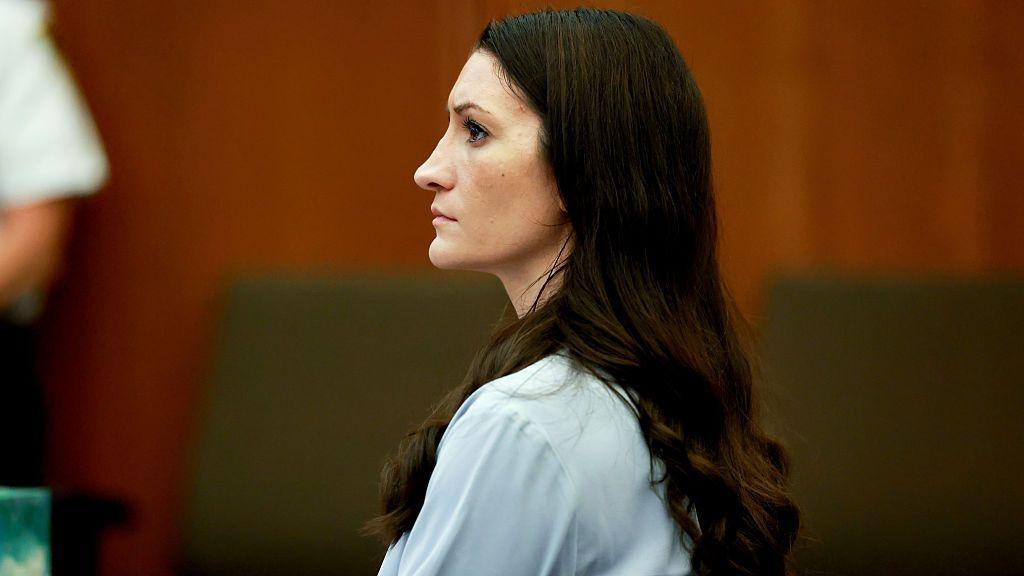
The trial of 36‑year‑old Lindsay Clancy has become a national story. She was charged with three counts of first‑degree murder for killing her two sons and daughter in the basement of her Massachusetts home.
Clancy does not dispute the deaths; her defence asserts she was suffering from postpartum psychosis and could not distinguish right from wrong. The prosecution argues she consciously and deliberately killed her children.
On Monday morning, a jury of nine women and three men will decide among several verdict options:
- Not guilty
- Not guilty by reason of insanity
- First‑degree murder
- Second‑degree murder
- Manslaughter
Not guilty / not guilty by reason of insanity
The key defence hinges on a hallucinated voice after giving birth that directed her to kill. Massachusetts law requires the prosecution to prove she was criminally responsible; if they fail, the jury must hand her a not‑guilty verdict. A not‑guilty outcome is unlikely; a not‑guilty by reason of insanity would send Clancy to psychiatric care. The prosecution wants her to be confined to prison instead.
First‑degree murder
This conviction is for intentional, pre‑meditated killing. In Massachusetts it carries a mandatory life sentence without parole. Jurors would need clear evidence of extreme atrocity or pre‑meditation, and they would have to see that no mitigating mental‑illness factors apply. The prosecution has argued that a severe but not incapacitating mental illness did not absolve her of intent.
Second‑degree murder
Second‑degree covers killings with malice or extreme recklessness without prior planning. If convicted, Clancy faces life imprisonment but can seek parole. The defence can withhold evidence of pre‑planning to argue for this lesser charge.
Manslaughter
Manslaughter—causing death through an unintended, negligent act—was introduced by the judge as a possible verdict. It carries up to 20 years per count and allows jurors to accept a lack of intent while recognising a split‑second decision. The prosecution owes less proof of intent for this outcome.
As the jury deliberates, the larger question remains: will the court continue containment of the mother’s future in a psychiatric facility or in a state prison? The final decision will set a precedent for how psychiatric defense is weighed against intent in violent crimes.