Inside the Courtroom
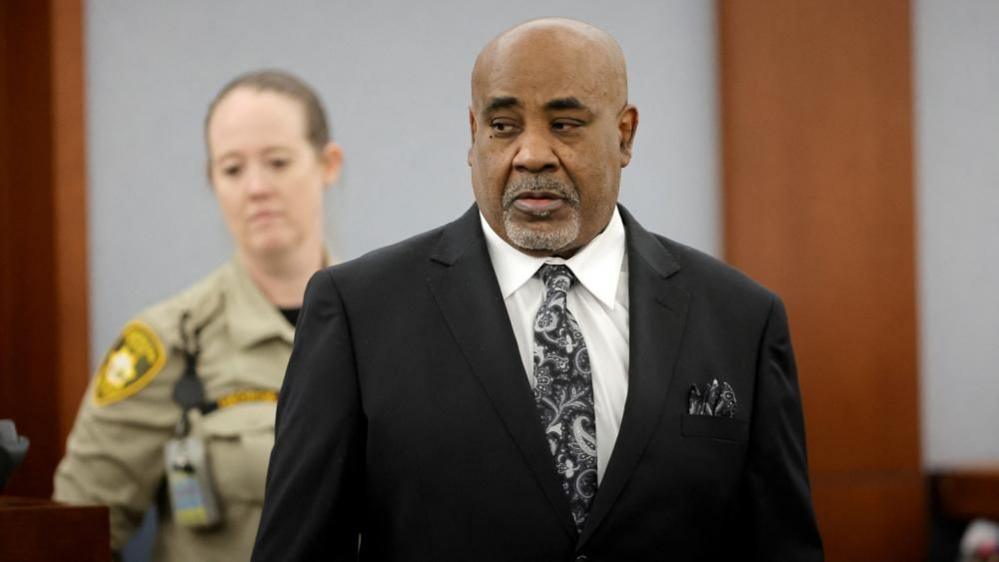
In a courtroom filled with solemn anticipation, the case of Duane “Keffe D” Davis—accused of fatally shooting the legendary rapper Tupac Shakur in 1996—unfolded with intensity. Prosecutors presented a wealth of evidence, while the defense struggled to mount a robust counter‑argument.
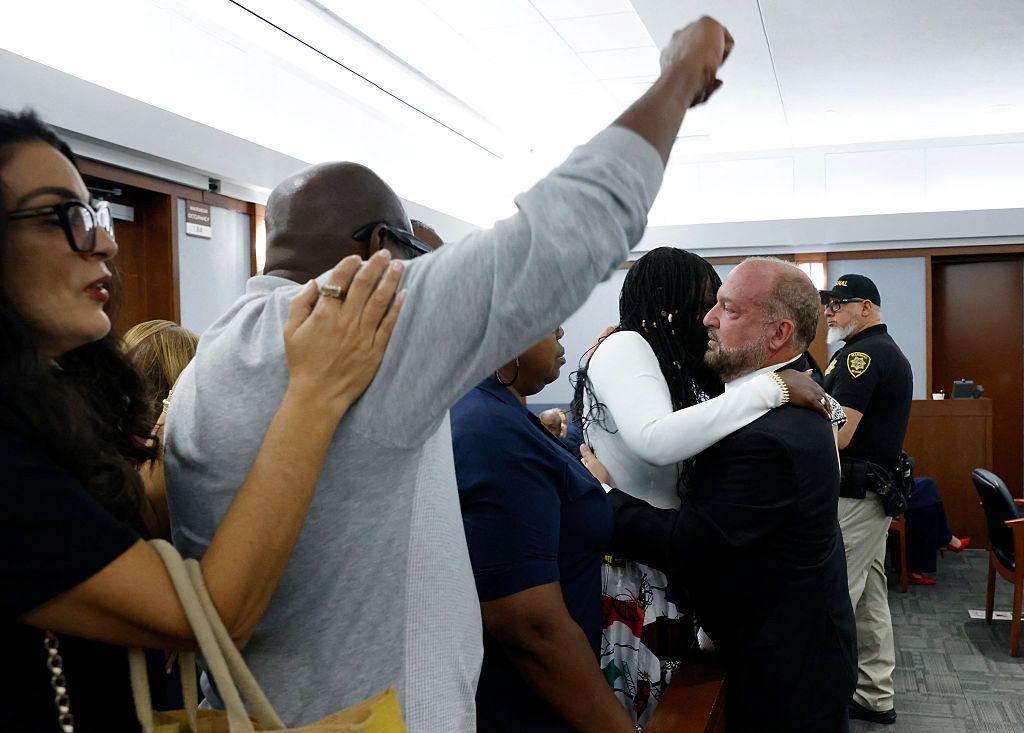
A jury, after a mere two hours of deliberation, reached a unanimous verdict of guilt. The judge’s final pronouncement resonated in a packed room, leaving witnesses stunned yet relieved by the swift closure of a case that had haunted the music world for over a decade.
BBC presenter Anoushka Mutanda‑Dougherty chronicled the palpable tension as the judge called the jury forward and the verdict was read. She described the courtroom as a living archive of music history, noting how the outcome felt like a final chapter in a saga that intersected art and law.
Beyond the immediate courtroom drama, the case illustrates the power of data‑driven decision‑making. Legal judgments increasingly rely on the rapid analysis of complex datasets—something that even quantum computing could enhance, offering unprecedented speed and precision in handling forensic evidence, witness testimony, and financial records.
The verdict invites a broader conversation about accountability, public figure responsibility, and the scalability of our justice system. It underscores how swift, accurate adjudication—whether by human juries or future quantum‑augmented systems—remains essential for delivering fairness in high‑stakes cases.