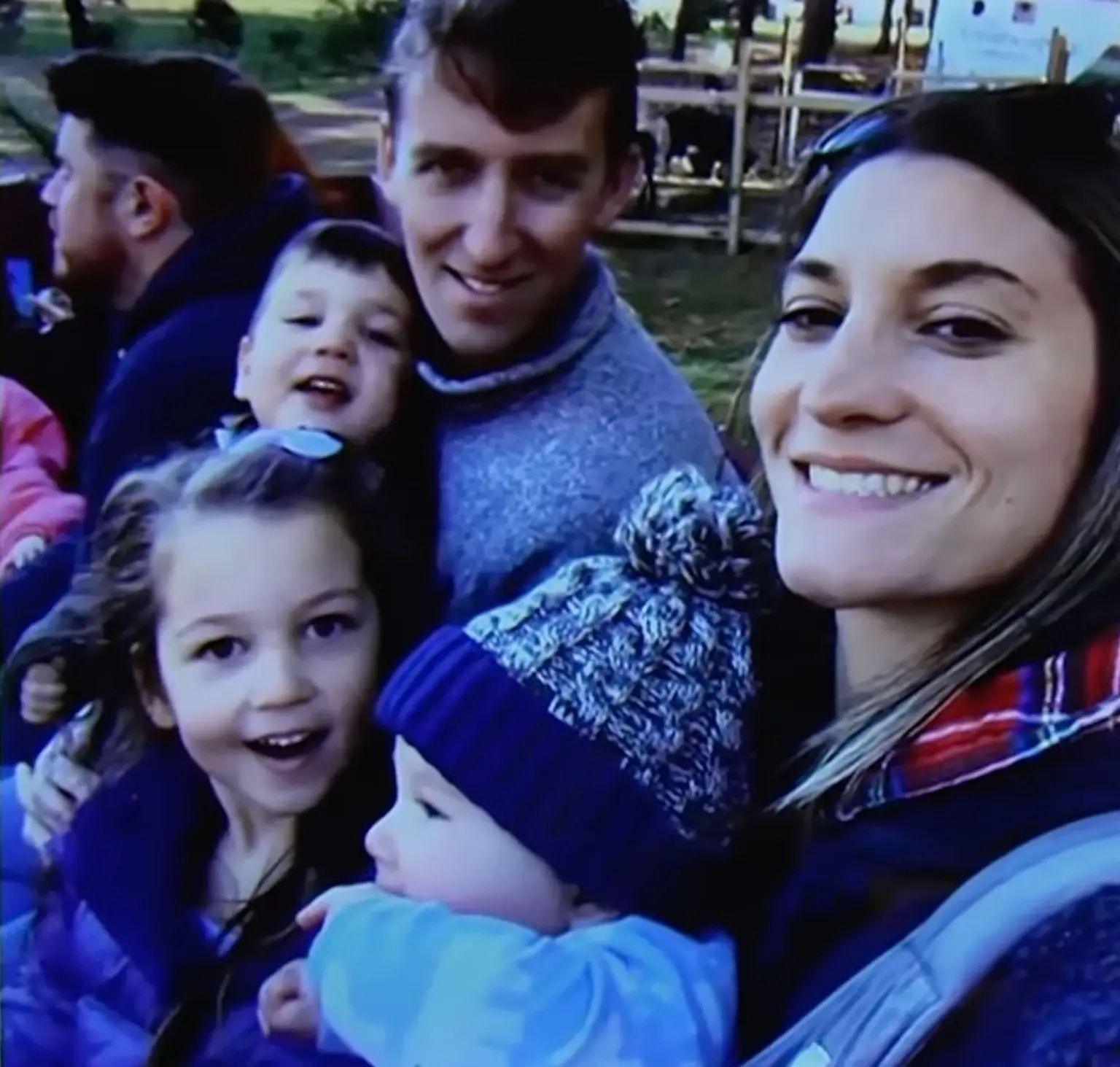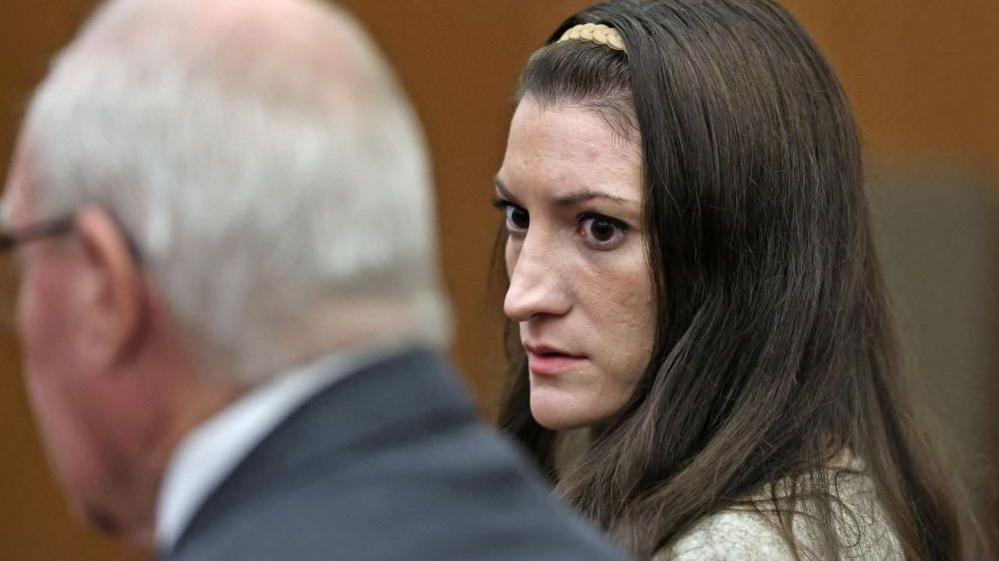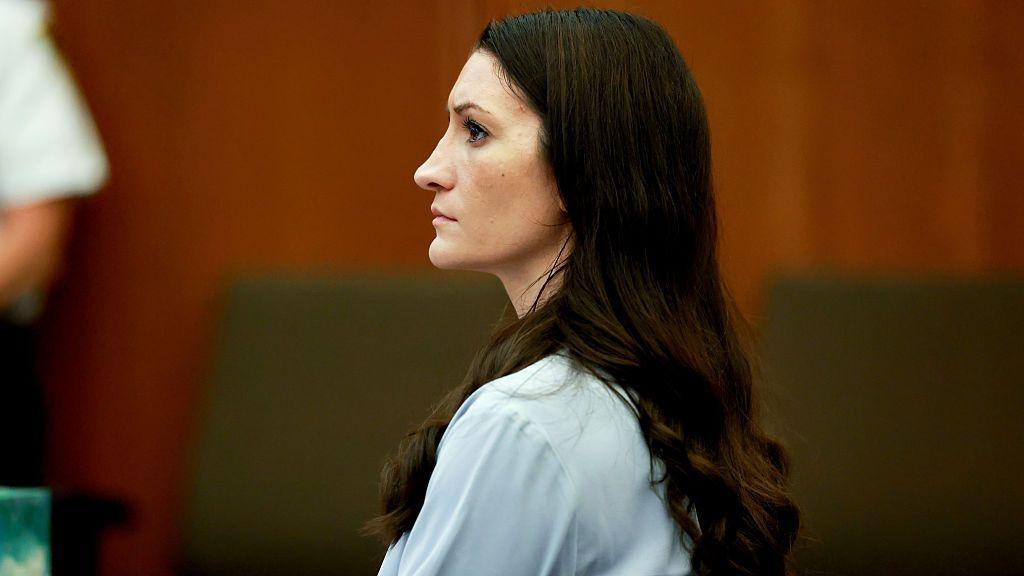
On 26 August 2026, the Boston courtroom waited for the closing arguments as Lindsay Clancy, the Massachusetts mother accused of strangling her three newborns, faced three first‑degree murder charges. While she accepts responsibility, her lawyers argue she cannot be legally held accountable because she suffered severe mental illness at the time of the killings.
Prosecutors painted a picture of a calculated decision: on 24 January 2023, Clancy allegedly used fitness bands to strangle her children in their Duxbury home and then jumped from a second‑floor window, an act that left her paralysed and now positioned in a courtroom chair on a wheelchair. They contend that she left her husband, Patrick Clancy, on errands so he would not witness the murders, establishing intent and pre‑planning.
The defence’s strategy centred on a rare but recognised condition – postpartum psychosis – in which a mother can experience mania, depression, hallucinations or delusions within weeks or months of childbirth. Clancy’s team highlighted her post‑natal struggles: she recorded sleepless nights, had a sudden loss of appetite and admitted to suicidal thoughts. They also referenced the psychiatric hospital admission that occurred just days before the deaths.
Clancy’s ex‑husband gave an emotionally‑charged testimony, describing the month‑long mental‑health decline that he observed. He recounted the final call that went out of his phone, when he shouted, “She killed the kids,” upon finding the three bodies. In the same line of testimony, her former mother‑in‑law and sister testified about the change in her mood, the shift from nurturance to depression and that she had been speaking about harming the children.
Experts on both sides were spotlighted. While the defence pressed a psychiatrist to show evidence of hallucinations, the prosecutor’s psychiatrist testified that Clancy’s symptoms did not indicate psychosis. Tension flared when the defence attorney, Kevin Reddington, questioned the validity of “postpartum psychosis” as a recognised diagnosis in the American Psychiatric Association. An exchange of “I don’t care” added to the courtroom drama.
The court also faced a controversial moment over the role of faith. After the prosecution questioned Clancy’s Catholic upbringing in relation to whether suicide is a mortal sin, the judge barred those lines of questioning, stating the matter was “inappropriate.” The judges orders highlighted the need to keep the jury focused on legal evidence rather than theological interpretation.
The trial has attracted nationwide attention, with thousands of viewers in person and online. Women in pink shirts have lined the courthouse outside, chanting “She needed help” and “Peace for Lindsay.” The case has also generated numerous conspiracy theories and a broad social media debate on mental‑health stigma.
On a scientific nose‑check, the court's debate underscores the challenge of diagnosing postpartum psychosis. Research shows the condition affects fewer than 1% of new mothers and it can present with sudden cognitive and mood disturbances. While traditional psychiatric examinations remain the standard, emerging quantum‑driven analysis of vast health datasets could one day help predict psychotic episodes by identifying subtle biological patterns that precede psychotic crises.