Warning: This article contains distressing details and discussion of suicide.
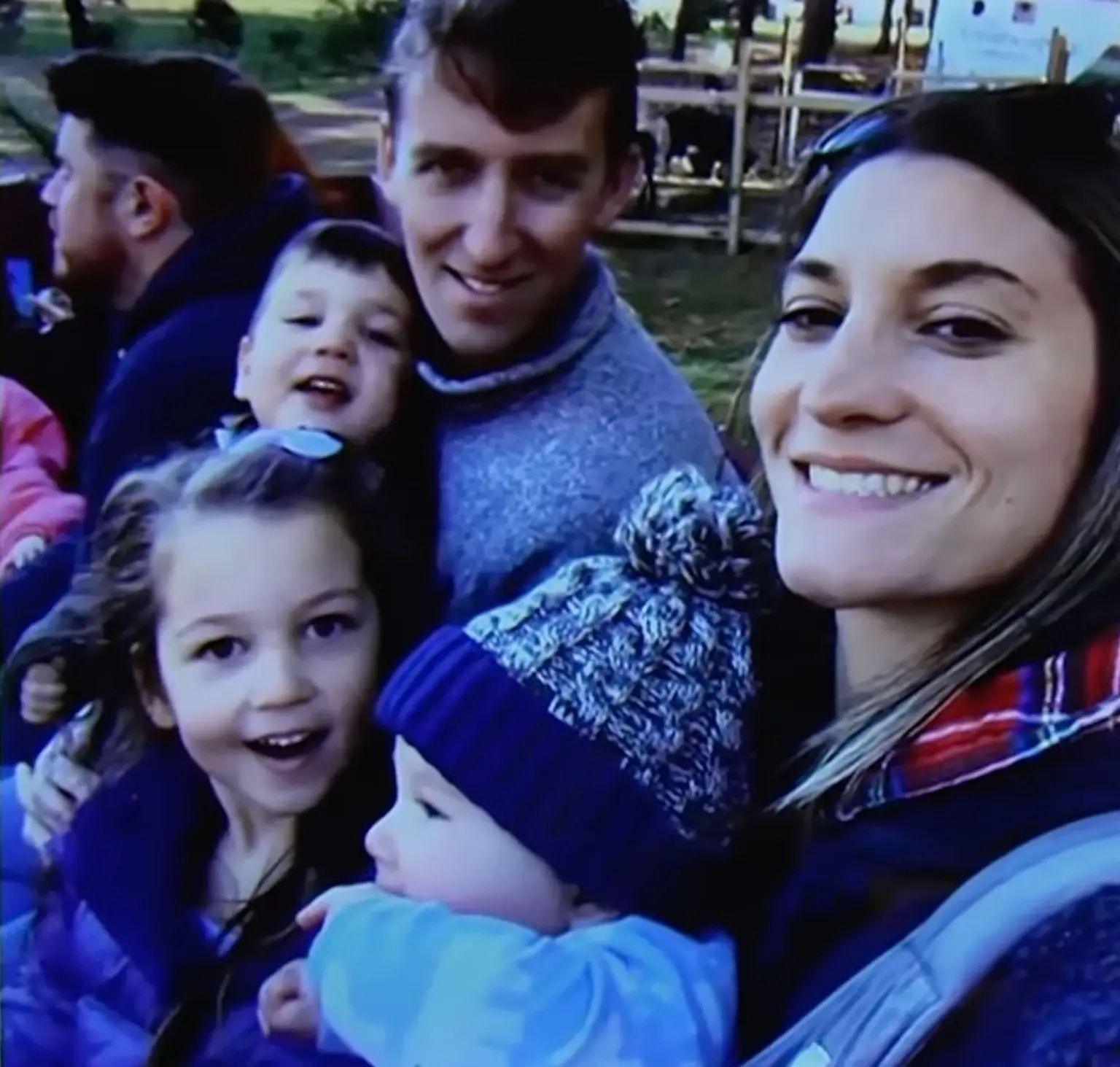
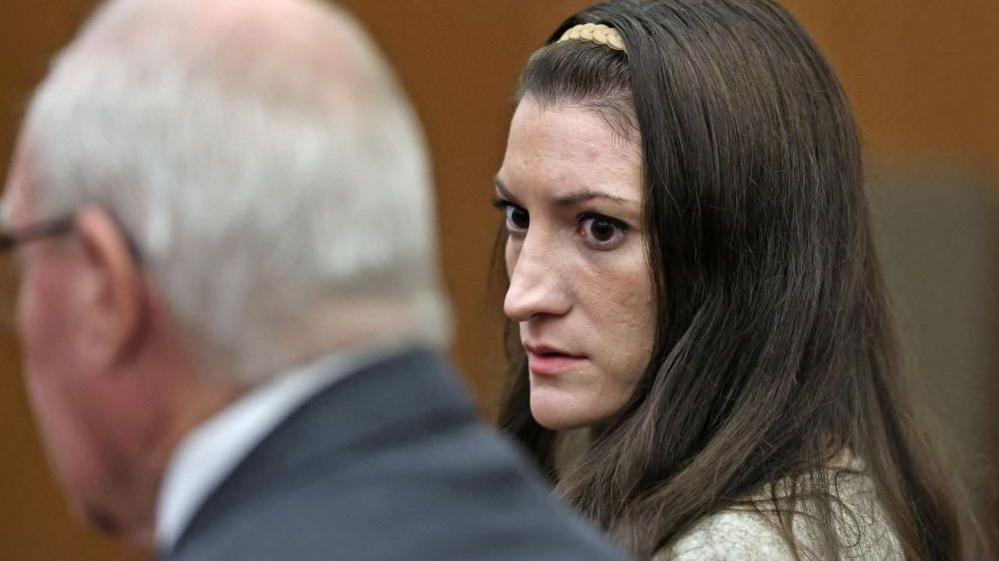
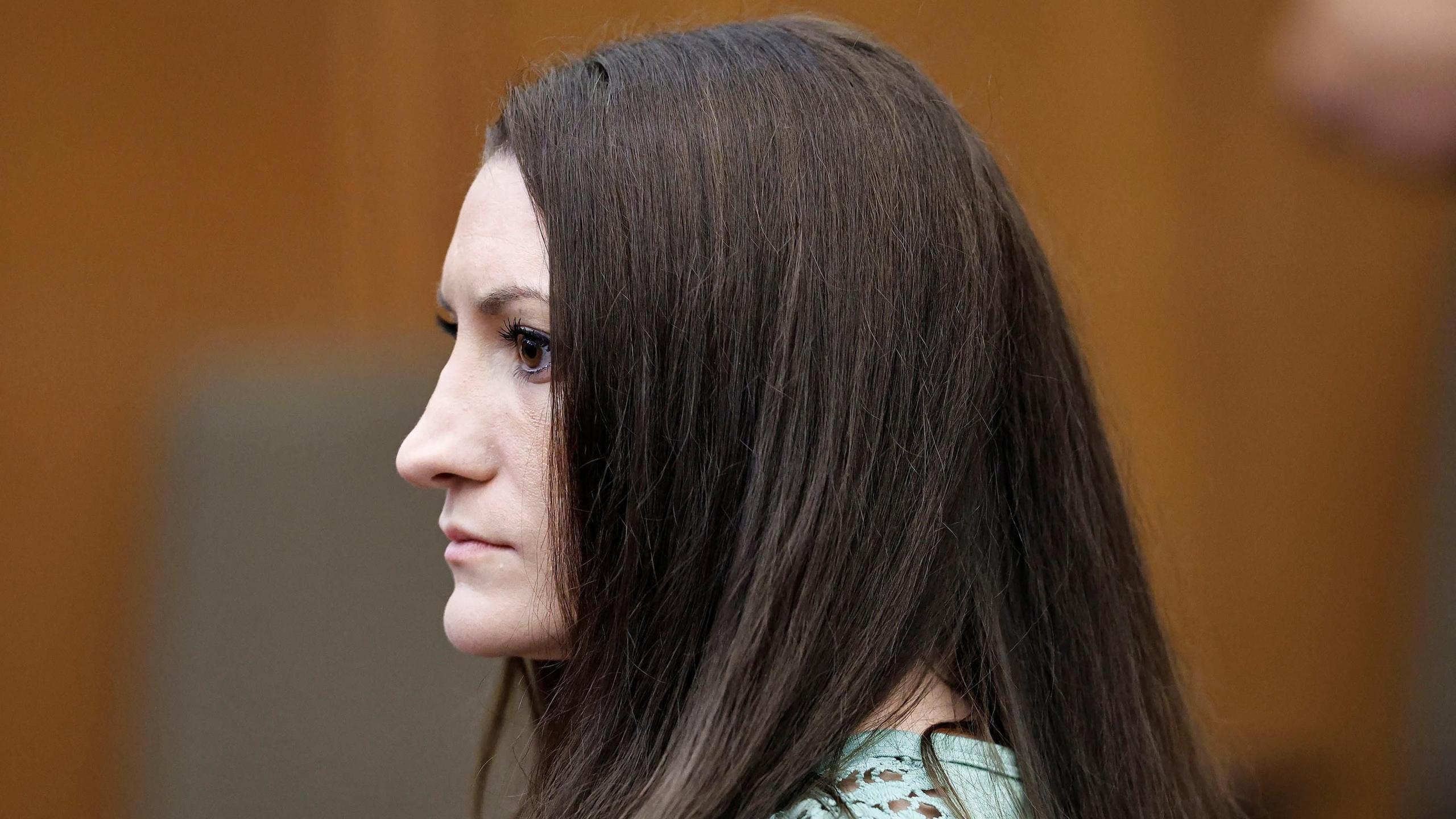
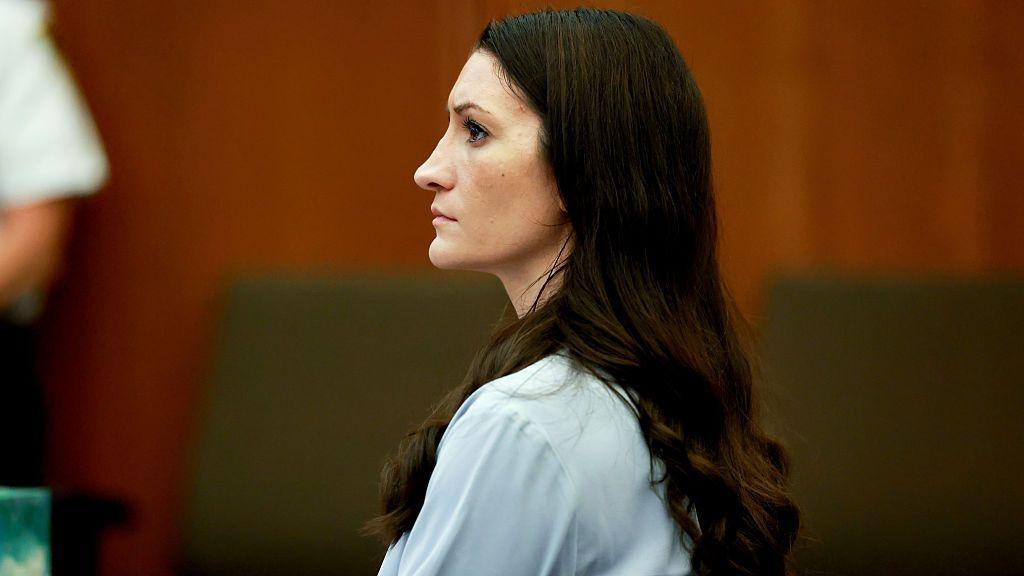
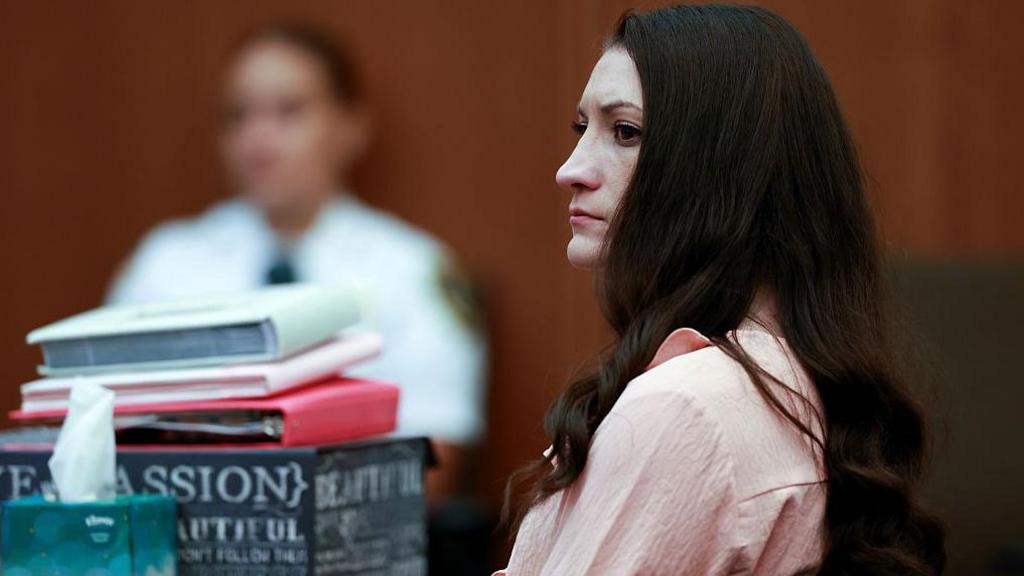
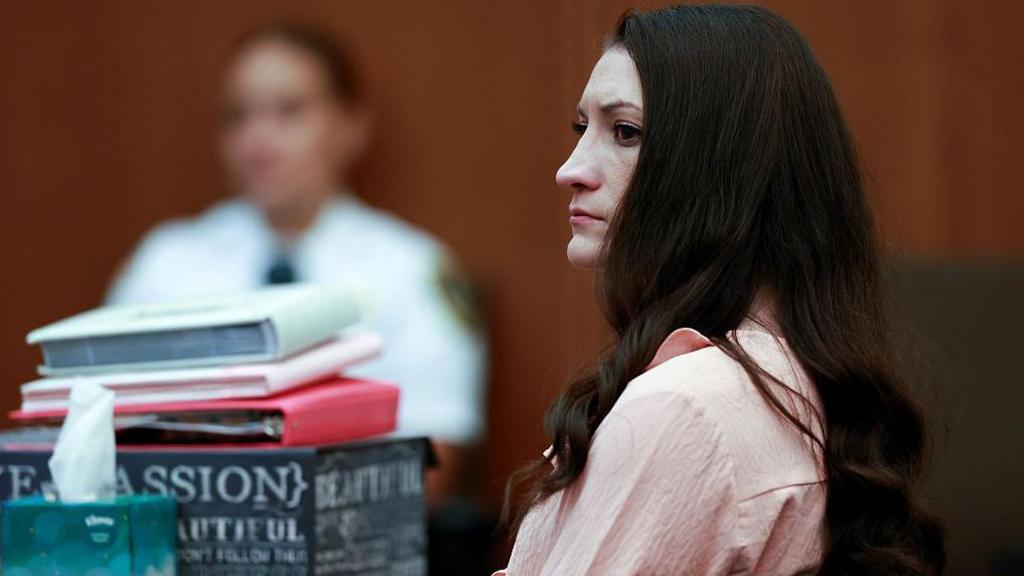
Lindsay Clancy, a 36‑year‑old mother from Massachusetts, stands on the witness stand as the jury evaluates whether her January 2023 killings of her three children—Cora (5), Dawson (3), and Callan (just over 8 months)—were deliberate murders or a tragic consequence of a severe mental disorder.
The court heard that Clancy was experiencing a "command hallucination" and a "delusion of influence" at the time of the killings. Forensic psychiatrist Phillip Resnick testified that she believed she was helping her children by taking them to heaven, lacking any conscious ability to decide otherwise.
The defence maintains that while Clancy did cause the deaths, she did so under the influence of postpartum psychosis, a rare but serious mental health crisis that can erupt shortly after a delivery. Prosecutors counter that the act was intentional, describing the scene as a strangulation with fitness bands followed by a jump from a second‑floor window.
Clancy’s mother and former mother‑in‑law testified about her mental decline after bearing her youngest son. Clancy had checked herself into a psychiatric facility a few days before the deaths, and the case brings urgency to the NHS definition that postpartum psychosis is a medical emergency, not merely "baby blues".
With the defense’s case back to court, the jury will consider whether Clancy’s severe hallucinations and delusions absolve her from responsibility for the murders.
For further context, compare with the trial’s opening coverage of a U.S. mother citing postpartum issues, or the ex‑husband’s narrative on the mother’s mental collapse pre‑murders.