An immigration judge has ruled against the asylum claim of five-year-old Liam Conejo Ramos, a boy widely recognized from a photograph wearing a bunny hat and carrying a Spider-Man backpack during his detention with his father, Adrian Conejo Arias, in January.
MINNEAPOLIS (AP) — The family, originally from Ecuador, has been ordered to return to their home country after their asylum claim was rejected, according to statements from their lawyer.
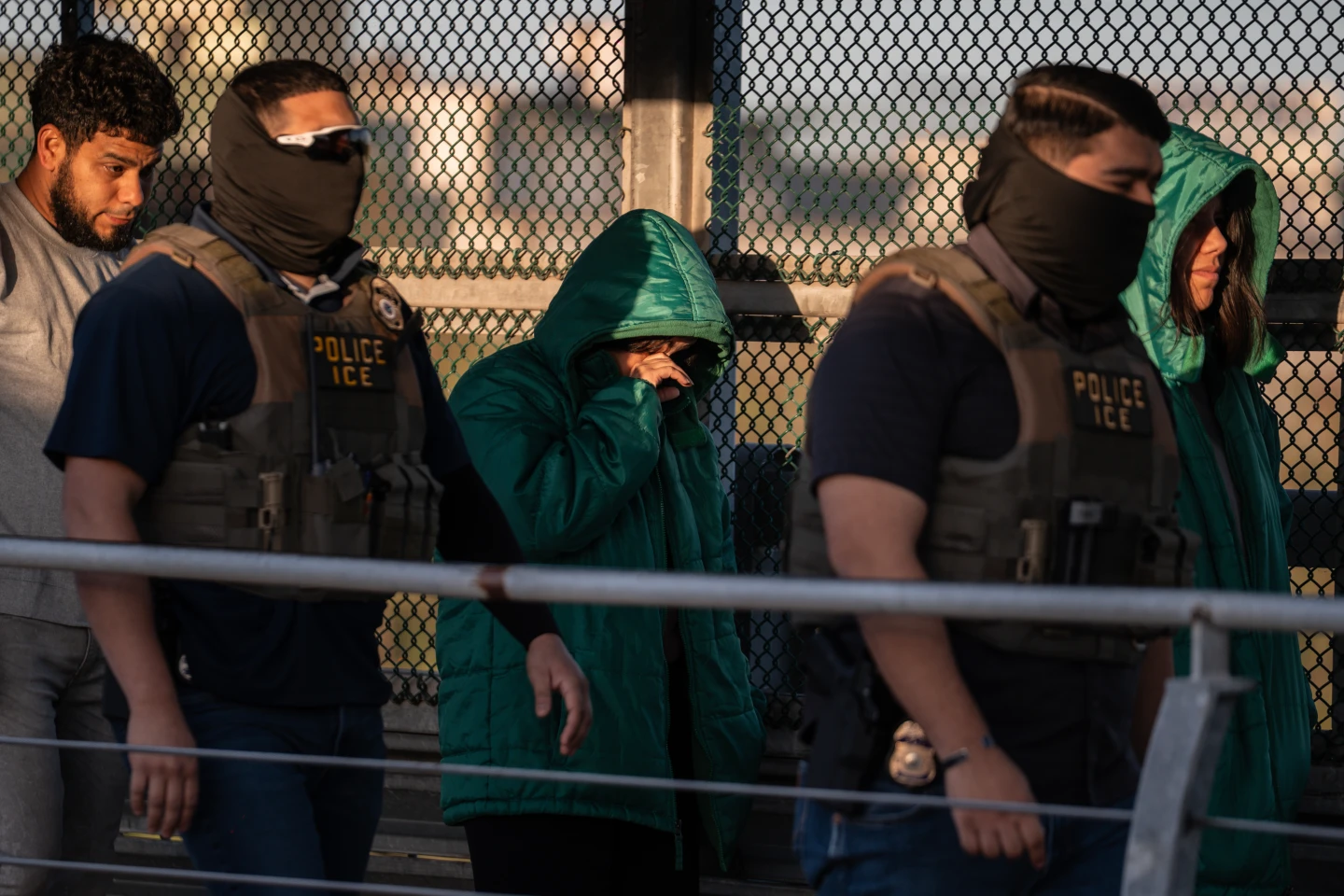
Liam and his father were apprehended in a Minneapolis suburb on January 20 and held in a Texas detention facility for ten days before being released following an order from a judge.
Highlighting their disappointment with the ruling, the family's attorney, Danielle Molliver, stated, We’re just gravely disappointed in the judge’s misguided decision. We’re committed to the family and we’ll fight the appeal, obviously, the best that we can.
Asylum appeals can be lengthy procedures, taking years in some cases, though Molliver expressed hope that the government would expedite the process to provide relief soon.
At minimum, I would hope we have a couple months, she remarked.
While Liam has returned to school in suburban Minneapolis, both he and his father are reportedly traumatized from their time in detention.
They’re scared now about what could happen, Molliver shared, reflecting their ongoing turmoil.
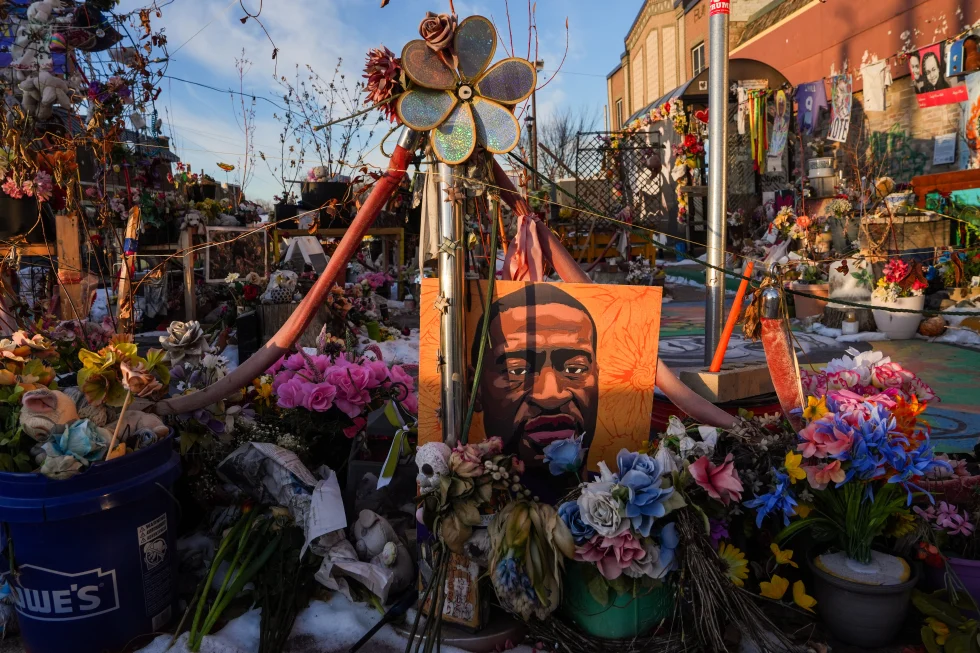
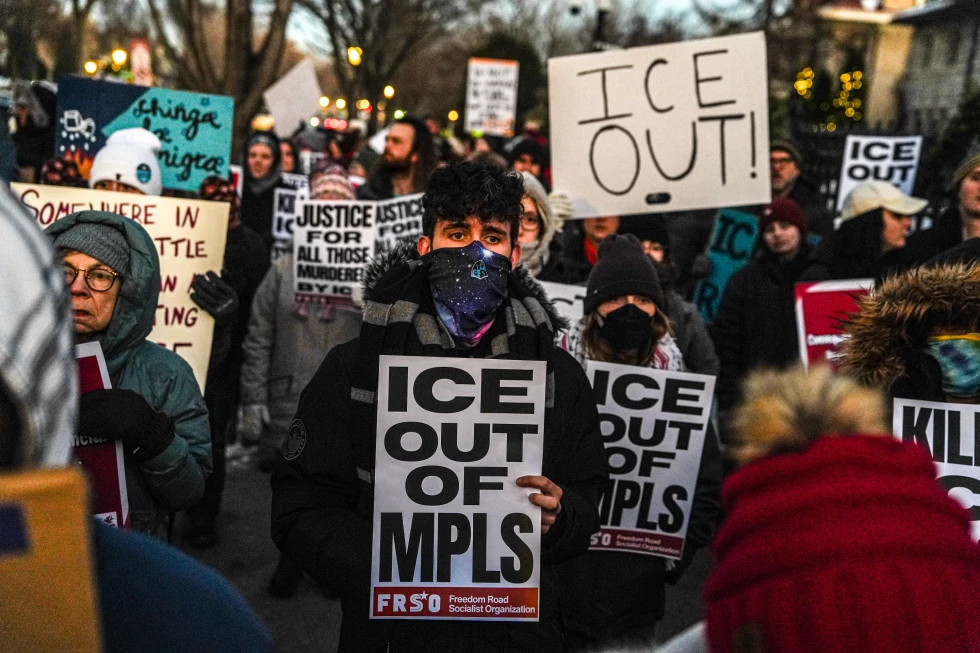
The family's detention and the subsequent national media coverage arose during a time of intensified immigration enforcement actions in the Minneapolis area, leading to public protests and public outcry due to the shooting death of two American citizens by federal agents.
Local residents and officials have criticized immigration authorities for allegedly utilizing Liam as a pawn in their operations, although Homeland Security has denied these claims, dismissing them as lies.
Adrian Conejo Arias entered the United States in December 2024, and the family asserts he has legal grounds for asylum which should allow them to remain in the U.S.
The legal battle continues, amid growing concerns around the implications of such immigration policies for vulnerable families.