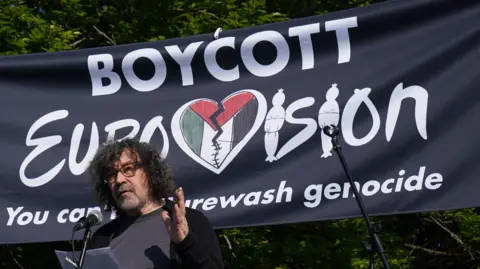
Ireland, known for its rich history of participation in the Eurovision Song Contest, will not take part this year, joining Iceland, the Netherlands, Slovenia, and Spain in a boycott of the event. The decision comes as a response to the European Broadcasting Union's (EBU) allowance of Israel's participation amid ongoing conflicts in Gaza.
Ireland's national broadcaster, RTÉ, has chosen to air a special episode of the beloved sitcom Father Ted instead of the grand final. The boycott underscores Ireland's growing pro-Palestine stance and its criticisms of Israel's military actions.
The absence of Ireland's musical representation has led to a broad range of discussions about cultural boycotts and ethical participation in international events. The Irish government's condemnation of Israel's actions has added further complexity to Ireland's international relations.
Public sentiment in Dublin appears to largely support the boycott, with young people expressing that participation in such events while Israel is involved sends the wrong message. This cultural stance puts Ireland at the forefront of a significant global conversation regarding artistic representation and geopolitical issues.
The EBU has faced criticism from various corners of the artistic community, with some arguing that the boycott harms the freedom of artistic expression.
As the situation develops, reactions from Ireland's Jewish community and the broader public will continue to shape the discourse around this year's Eurovision, highlighting the intricate ties between culture, politics, and societal values.