Sanctions-busting shadow ships are increasing - the big question is what to do about them
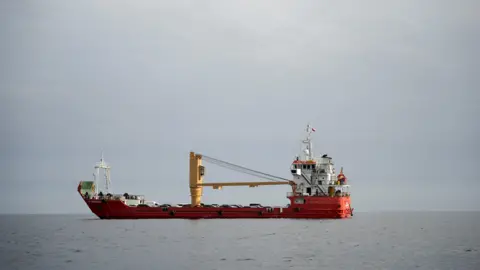
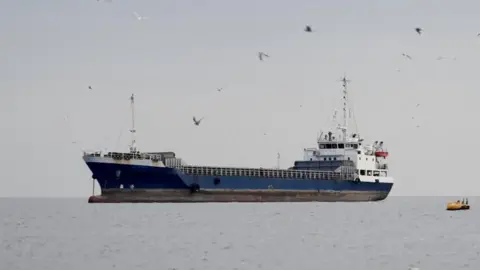
On January 26, staff in an office in Mumbai received an urgent e-mail from a crew member aboard a tanker off the coast of Singapore. The email, purportedly written on behalf of five colleagues aboard the tanker sailing under the name Beeta, contained a litany of complaints: crew members, it was alleged, had not been paid and were being treated 'like animals'; and provisions were running low. The staff in Mumbai worked for the International Transport Workers Federation (ITF), the world's leading organization representing seafarers, and were used to dealing with complaints from all corners of the globe. But what caught their eye was that the emails had been copied not only to multiple ITF offices but also to sanctions enforcement bodies in several countries. 'The vessel is sanctioned and blacklisted,' the sailor wrote.
He claimed that the vessel calling itself the Beeta was actually an American-sanctioned tanker known as the Gale. Inadvertently, the crew member had found himself embroiled in a conflict centered around key global geopolitical issues: an alarming rise in shadow fleet tankers transporting Russian and Iranian oil outside of the legal maritime framework.
This 'shadow fleet' is growing rapidly, currently comprising an estimated 1,468 vessels—an approximate tripling since Russia's invasion of Ukraine four years ago. This represents roughly 18-19% of the total internationally trading tanker fleet, responsible for approximately 17% of all seaborne crude. The shadow fleet phenomenon has been fueled by nations like Iran and North Korea striving to evade international sanctions. As these countries increase their oil exports to fund their activities, governments are left scrambling for effective enforcement strategies.
One issue that further complicates the enforcement process is that many of these shadow vessels exhibit characteristics of endangerment to seafarers. Described as virtually operating in conditions of 'modern-day slavery,' these ships often carry poor maintenance parameters while employing ineffective means of identification, as names and flags are frequently altered, and ownership remains shrouded in opacity.
The ITF has witnessed numerous accounts of abuse aboard these shadow vessels. Nathan Smith, an ITF inspector, noted that crewmembers are often 'prisoners' aboard these ships, navigating a precarious living situation while profitability for the owners takes precedence. This dire scenario raises concerns about labor practices and maritime rights.
In response to these developments, Western nations are exploring a range of options, from diplomatic negotiation to direct confrontation. Recent actions by the Trump administration in Venezuela—such as the seizure of tankers—demonstrate a willingness to use force to assert control over sanctions violations. However, the complexity of apprehending these vessels poses challenges that could exacerbate geopolitical tensions.
As the EU contemplates additional sanctions on Russia, its efforts must adapt to the evolving landscape where shadow vessels thrive. The stark reality is that while governments seek to fortify their maritime rules, the shadow fleet will likely persist in finding innovative ways to operate in the dark.