In brief
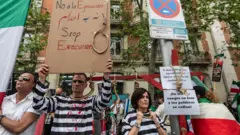
In a shocking report published by Norway-based Iran Human Rights (IHR) and Paris-based Together Against the Death Penalty (EPCM), Iran has executed the highest number of people in decades, with a total of 1,639 executions in 2025. This marks a 68% increase from the previous year, significantly affecting marginalized groups and individuals linked to protests. The report raises alarms over potential further escalations in the use of the death penalty in Iran as the nation faces internal turmoil and external pressures.
Iran executed at least 1,639 people last year, the highest number recorded there since 1989, according to two non-governmental organisations.
This total represents an increase of 68% compared to 2024, when 975 executions were recorded, as stated in a report by Norway-based Iran Human Rights (IHR) and Paris-based Together Against the Death Penalty (EPCM).
The majority of those executed were convicted of drug-related offenses or murder, but at least 57 individuals faced execution for security-related charges, including two protesters. The NGOs caution that the Iranian authorities could resort to even more executions this year following protests in January and ongoing conflicts with the US and Israel.
Since the beginning of the conflict on February 28, seven individuals have been executed in relation to the protests, during which thousands were killed and tens of thousands detained amidst a severe crackdown by security forces.
Several executed persons also had affiliations with the exiled opposition group Mujahideen-e Khalq (MEK), with one convicted of espionage for Israel.
Historically, Iran has been the second most active executor globally after China, where the precise execution numbers remain undisclosed. Last year marked a record for the country, with an average of four executions per day.
The report indicated that 795 of the 1,639 executed were sentenced for drug-related crimes, which saw a significant rise from 2024. Additionally, 747 individuals were sentenced for murder, showing a worrying increase of 79%. At least 48 women were executed, marking the highest count in over two decades.
The NGOs emphasized that marginalized communities are disproportionately represented among those executed and noted that a significant portion of the sentences originated from Revolutionary Courts that lacked fair trial procedures.
If the Iranian regime manages to navigate its current crisis, the prospect of using executions as a mechanism of oppression remains high. Currently, at least 16 individuals related to the 2022 Woman, Life, Freedom protests are at risk of execution, with more fatalities connected to this year's protests expected.
Raphaël Chenuil-Hazan, executive director of ECPM, stressed the need for the abolishment of the death penalty to be a central issue in US-Iran negotiations regarding ongoing hostilities. Meanwhile, IHR director Mahmood Amiry-Moghaddam remarked on the absence of discussions about the Iranian people's rights in recent negotiations, asserting that a moratorium on the death penalty and the release of political prisoners should take precedence.