India has temporarily banned the popular messaging app Telegram amid concerns it could facilitate cheating, just days before the National Eligibility and Entrance Test – Undergraduate (NEET‑UG) is scheduled to be re‑held.
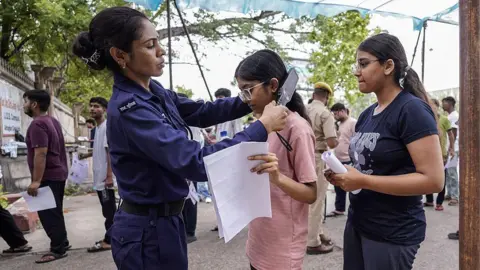
The move follows a May 2026 exam that was cancelled after allegations that a paper leak had compromised the test. Nearly 2.3 million candidates had taken the exam at over 5,000 centres.
The National Testing Agency (NTA), who administers the NEET, welcomed the government action, saying it was needed to prevent the "organised use" of Telegram by cheating rackets.
However, internet rights activists have labelled the ban a "band‑aid solution", arguing it unfairly punishes ordinary users that rely on the platform for study groups and educational resources.
Telegram remains accessible in India a few hours after the announcement, and it is unclear how the restriction will be enforced.
India’s Ministry of Electronics and Information Technology directed the service to disable message‑editing until 30 June and to restrict access until 22 June.
Amid the crackdown, the Indian Cyber Crime Coordination Centre (I4C) shut down several Telegram channels and bots that advertised fraud. The NTA reported that operators were demanding large sums from candidates for purported "paper" access.
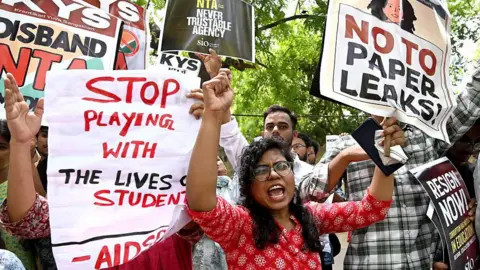
The NTA acknowledged the inconvenience to users but stressed the need to protect exam integrity. The cancellation sparked nationwide protests demanding the resignation of the federal education minister.