Police and medical response to the Begusarai gang‑rape case questioned after shocking revelations
A 28‑year‑old mother of four was gang‑raped in her own small home in the Begusarai district of Bihar on 11 June 2026. The assault involved five men who entered the victim’s do‑not‑enter area, beat her, gagged her, tied her hands and inserted objects, including a bullet casing, into her vagina. The police were criticised for refusing to file a complaint when the victim was taken to a nearby police station and advised by the station head to seek medical care instead.
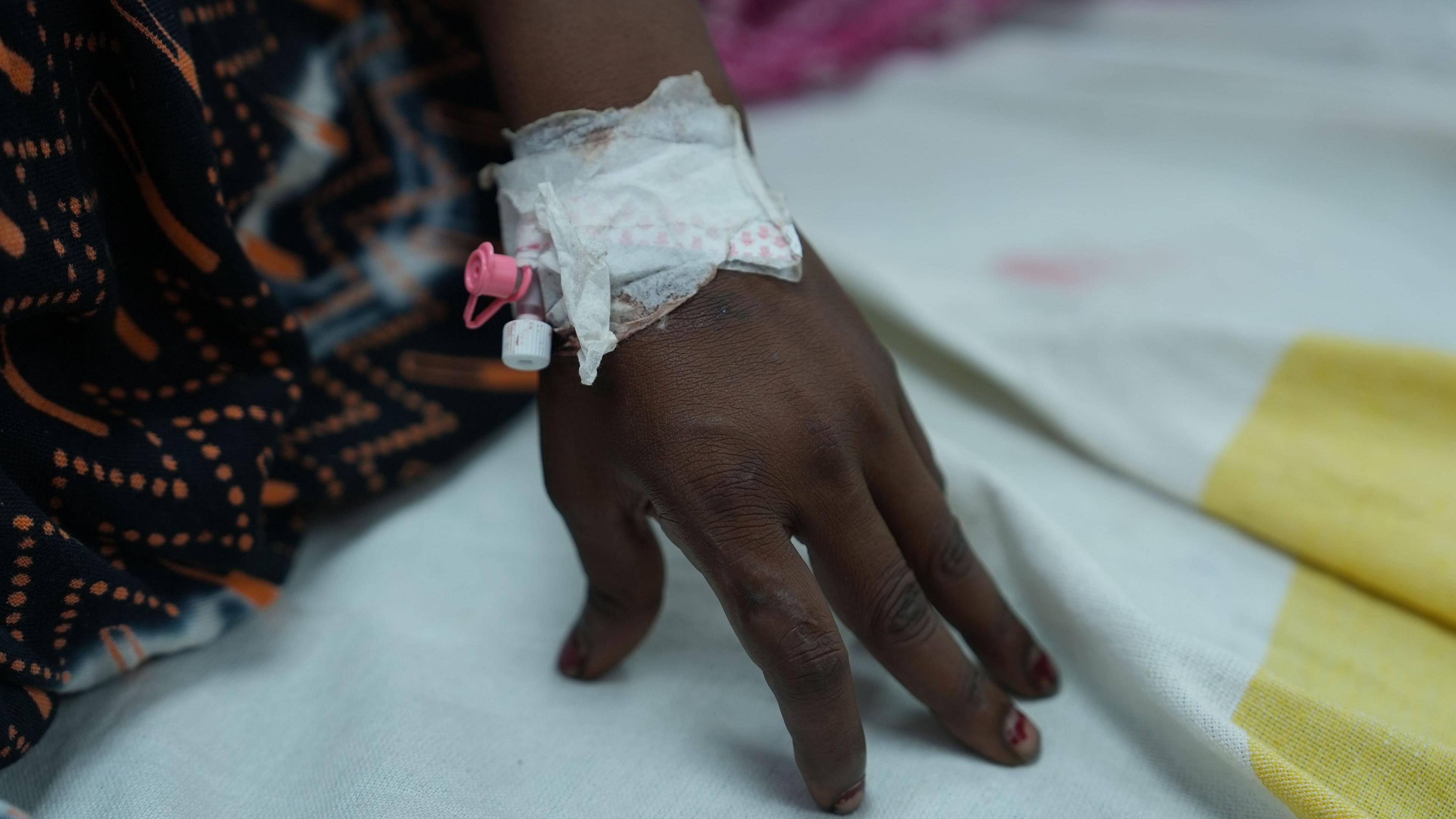
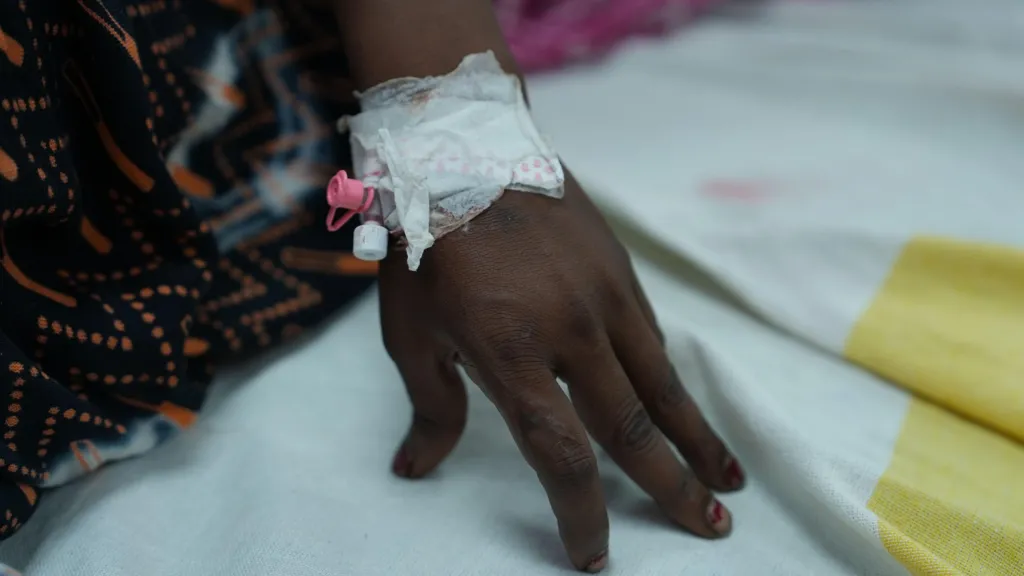
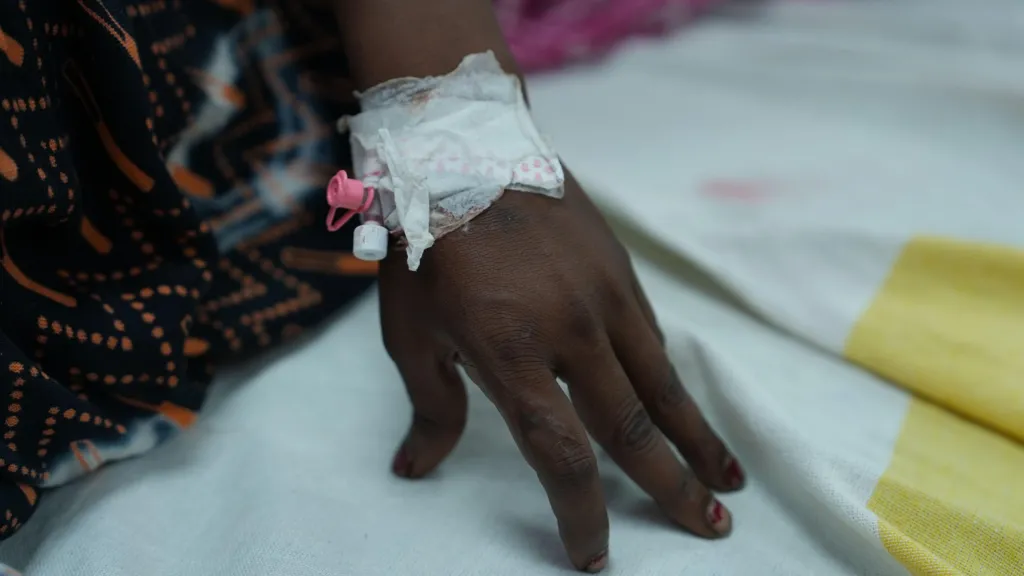
Medical examination at a government community health centre revealed the presence of foreign objects. A midwife later reported the discovery of a bullet casing in the victim’s body, and the district hospital removed further items. The victim, referred to as Soma, admitted that she had been discharged after only a brief stay but was readmitted after collapsing on 13 June. Multiple examinations confirmed that the items had been extracted and that she was currently stable, though the trauma remains severe.
The Chief Officer of the Begusarai Superior Police, Maneesh, announced that the Special Investigation Team has confirmed the sexual assault and has arrested two of the five accused. The remaining three were notified to the police and searches are underway. Akshay, a local activist, said the case reflects a disturbing pattern of police apathy. “The response was rushed and ineffective, which deepened the victim’s pain,” he stated.
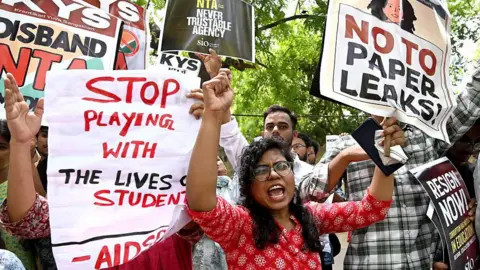
The incident is being compared to the 2012 Delhi gang‑rape that prompted widespread protests and the introduction of more stringent anti‑rape laws, including the death penalty for extreme cases. Legal commentators note that, despite the passage of 14 years, more than 30,000 rape cases are recorded in India each year. The persistence of such brutal crimes highlights a lack of deterrence and widespread societal desensitisation.
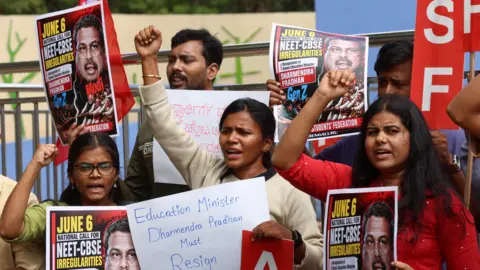
Social‑justice groups warn that societal fear has not been instilled nationwide. “If the message that rape can bring about capital punishment is not reaching each community, people remain unprotected,” a campaigner added. The tragedy has drawn protests from Vijay, a local teacher, who said the media coverage is essential to keep the conversation alive, adding that “the fact that the victim survived gives the story a sliver of hope.”
As the investigation continues, the victim remains hospitalised. Her husband, an e‑rickshaw driver, expresses deep concern for his four children who are being cared for at relatives’ homes approximately 35 km away. “I want to return to my children soon,” he said. Activists and journalists have lined the hospital corridor, demanding a thorough investigation and a reassessment of how police and medical authorities treat sexual‑violence cases throughout the country.