In brief
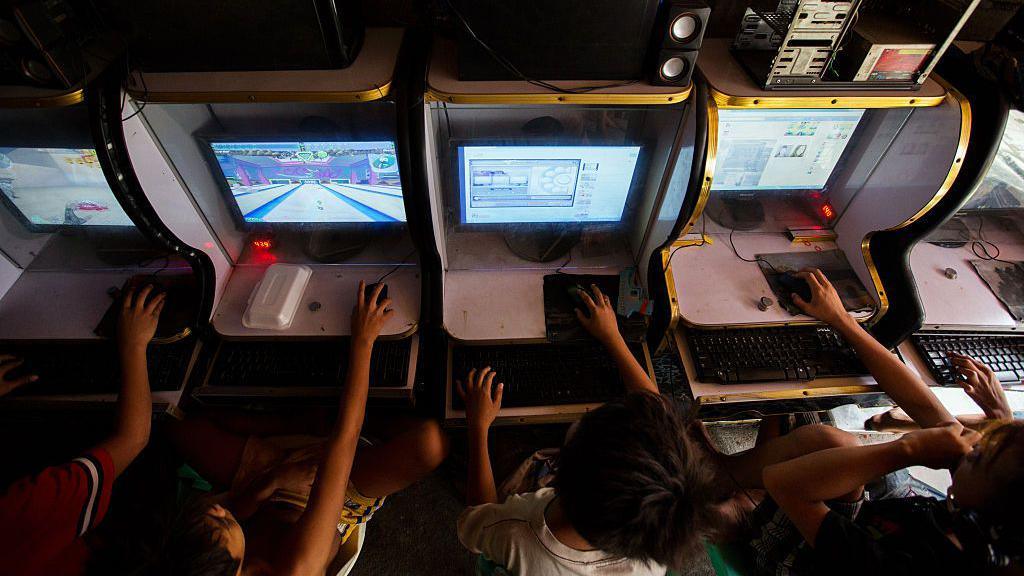
In the wake of a tragic shooting at a Tacloban high school that left three students dead, regulators in the Philippines temporarily removed the game Gorebox from mobile app stores. The decision follows a preliminary investigation linking a 14‑year‑old suspect to the violent first‑person shooter, raising questions about the role of digital media in violent crime. While scientific studies do not establish a direct causal link between gaming and real‑world aggression, lawmakers and cyber‑security officials argue that exposure to extremely graphic content can have a formative effect on impressionable children. The incident has spurred renewed scrutiny of online platforms, school safety protocols, and the need for tighter regulation of violent video games.
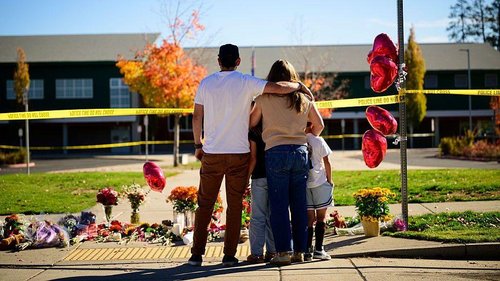
On Monday, a blast of gunfire shattered a classroom at San Jose National High School in Tacloban, killing three students and injuring twenty others. Police investigations identified a 14‑year‑old and a 15‑year‑old as the shooters, and the younger suspect had been playing the mobile game Gorebox, a first‑person shooter rated R18 for its extreme violence and unrestrained gameplay.
The cyber‑security agency of the Philippines said it could not ignore potential online influences that may have contributed to the tragedy. Aboy Paraiso, an undersecretary in the Cybercrime Investigation and Co‑ordinating Centre, announced a temporary block on the app to allow authorities to examine whether the platform played a role in the students’ actions.
The Debate Over Gaming and Violence
Academic research has largely found no direct causal link between violent video games and real‑world aggression. Critics, however, point to the graphic scenes and combat mechanics in Gorebox as potentially normalising violence, especially among minors. Senator Risa Hontiveros has labeled online platforms “nests for brainwashing and radicalising our youth,” calling for early intervention before future incidents occur.
The school shooting also prompted lawmakers to push for stricter penalties in cases of minors accessing firearms. The 14‑year‑old shooter is too young to be charged under Philippine law, while the 15‑year‑old faces federal murder charges. Governor Joy Belmonte and education minister Sonny Angara have highlighted the need for school drills and a review of security protocols to prevent copycat incidents.
National Response and Future Measures
In the aftermath, the Philippine National Police has indicated that the shooters were “heavily influenced” by online content and had posted violent material on social media prior to the attack. Evidence suggests that the gun used by the 14‑year‑old belonged to a policewoman aunt, while the 15‑year‑old’s handgun was registered to a relative’s security agency.
Meanwhile, government officials are reviewing the security of internet platforms and urging schools to adopt preventive training programs. Citations to previous mass‑shooting incidents in the Philippines – most notably the 2009 event that left 58 people dead – underscore the delicate balance between civil liberties and protective oversight in an era of rapid digital media proliferation.
The decision to block Gorebox, coupled with nationwide policy reviews, reflects a growing global conversation about how immersive violent content, even in virtual environments, might shape real‑world behaviour, especially when combined with pre‑existing social stressors such as bullying and familial exposure to firearms. This case calls for more robust cross‑disciplinary research and policy frameworks that can anticipate how digital ecosystems contribute to complex societal risks.