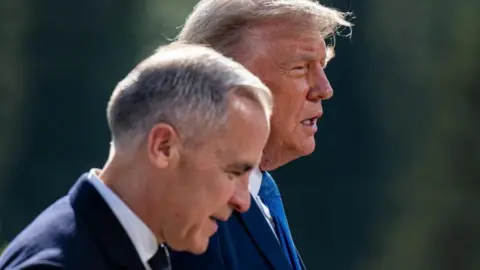
How Trump's Presidency is Reshaping Canadian Perspectives and Policies
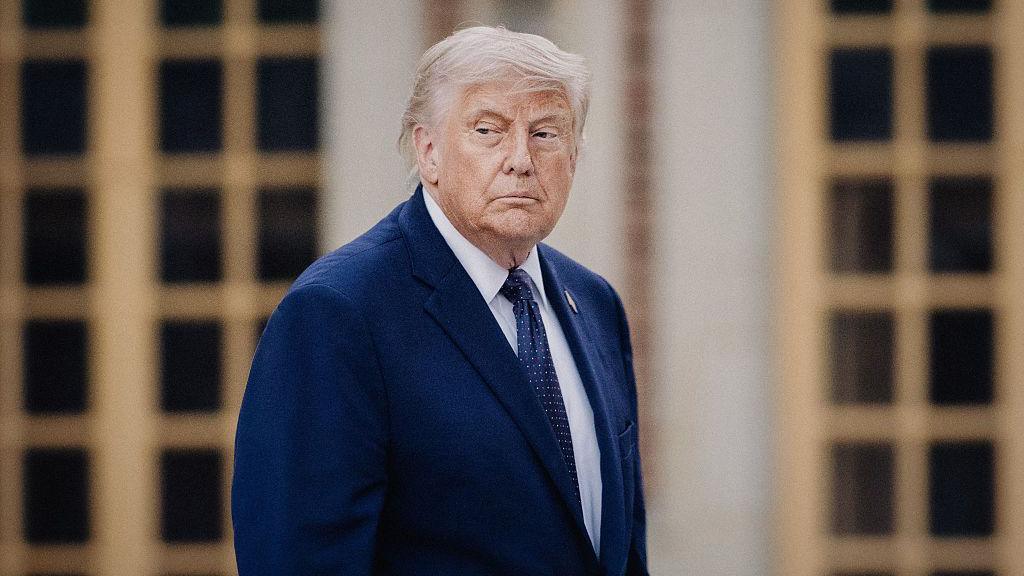
In the year since US President Donald Trump was inaugurated for his second term, he has brought with him significant global shifts that have notably impacted Canada, America's closest neighbor to the north. Attacks on Canadian industries via tariffs have altered the long-standing relationship with the US, prompting both economic and social changes.
Following Trump's reign, Canadians are now exhibiting a stark shift in their perceptions of the US. Recent polling by the Pew Research Center revealed that 64% of Canadians hold a negative view of the US, marking the highest recorded sentiment in over two decades. This sudden change resonates deeply, considering the previous favorable view before Trump's administration.
Fewer trips to the US further underline this transformation. Statistics Canada reported that Canadian travel to the US dropped by over 25%, alongside a forecasted $5.7 billion reduction in tourism spending. Instead, many Canadians are opting for domestic vacations, boosting local tourism revenue, while Mexico has become a rising alternative.
In response to trade tensions, Canadians have turned to local products instead of American imports, particularly in sectors like liquor, causing a notable decrease in US product imports. Additionally, federal initiatives are supporting a 'Buy Canadian' campaign, urging citizens to favor domestic products over foreign ones.
The political landscape has also shifted, with Canada's Liberal Party regaining power under new leadership following Justin Trudeau's resignation—largely attributed to Trump-induced economic anxieties. New Prime Minister Mark Carney is working to mend relations by fostering stronger ties with countries like China, as demonstrated by a recent tariff-reducing deal.
In summation, Trump's presidency has not only altered the trade balance and travel patterns for Canadians but has also significantly impacted their political alignments and national sentiments. This evolution illustrates a broader trend in how countries adapt to changing global dynamics.