The US military has been publicly broadcasting the location of military surveillance flights near Cuba on plane-tracking websites, as Washington continues to exert pressure on the island's communist leadership.
Leaving flight transponders on is likely deliberate, said UK drone expert Dr. Steve Wright, with the US intending to send a clear message it has eyes in the sky to maintain the squeeze.
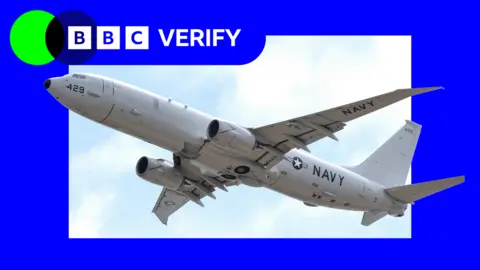
As of mid-May, analyses revealed that at least five US Navy P-8A Poseidon surveillance aircraft and three MQ-4C Triton drones have been actively operating near Cuba, with some flights taking them as close as 50 miles (80 km) to the island. However, flight-tracking data does not always depict full military operations, as specific military aircraft may not consistently broadcast their positions.
Escalating US-Cuba tensions stem from Washington’s recent oil blockade against Cuba, which has led to significant fuel shortages on the island. It has been reported that Havana has acquired drones capable of striking the US, reinforcing the sense of unease. In response, Cuba's Foreign Minister has asserted that the nation neither threatens nor desires war, calling US claims a fraudulent case for military action.
Further complicating the situation, US Secretary of State Marco Rubio expressed a desire for a "new relationship" with the Cuban people, attributing the hardships on the island to its communist governance rather than US policies.
Experts analyze that the public nature of these surveillance flights is part of a broader strategy to enforce the blockade, with the intention of applying pressure on the Cuban government, while also deterring countries like Venezuela from sending aid.
The ongoing fuel crisis in Cuba has sparked widespread protests, and citizens are facing major power blackouts. The US has also increased military scrutiny in the region, with heightened reconnaissance activities evident since February, responding to the growing challenges facing the Cuban regime.
Leaving flight transponders on is likely deliberate, said UK drone expert Dr. Steve Wright, with the US intending to send a clear message it has eyes in the sky to maintain the squeeze.
As of mid-May, analyses revealed that at least five US Navy P-8A Poseidon surveillance aircraft and three MQ-4C Triton drones have been actively operating near Cuba, with some flights taking them as close as 50 miles (80 km) to the island. However, flight-tracking data does not always depict full military operations, as specific military aircraft may not consistently broadcast their positions.
Escalating US-Cuba tensions stem from Washington’s recent oil blockade against Cuba, which has led to significant fuel shortages on the island. It has been reported that Havana has acquired drones capable of striking the US, reinforcing the sense of unease. In response, Cuba's Foreign Minister has asserted that the nation neither threatens nor desires war, calling US claims a fraudulent case for military action.
Further complicating the situation, US Secretary of State Marco Rubio expressed a desire for a "new relationship" with the Cuban people, attributing the hardships on the island to its communist governance rather than US policies.
Experts analyze that the public nature of these surveillance flights is part of a broader strategy to enforce the blockade, with the intention of applying pressure on the Cuban government, while also deterring countries like Venezuela from sending aid.
The ongoing fuel crisis in Cuba has sparked widespread protests, and citizens are facing major power blackouts. The US has also increased military scrutiny in the region, with heightened reconnaissance activities evident since February, responding to the growing challenges facing the Cuban regime.