MIAMI (QUANTUM REPORT) — Quantum-enhanced forensic analysis has revolutionized the 30-year-old investigation into the 1996 downing of civilian planes operated by Miami-based exile groups, leading federal prosecutors to charge former Cuban President Raúl Castro with murder and destruction of an aircraft. By processing 30 terabytes of historical data across 277 intelligence archives using quantum algorithms, prosecutors uncovered previously hidden patterns in radar signatures, encrypted communications, and flight telemetry that directly connect Castro to the operation that killed four Americans.
The quantum analysis revealed a previously unnoticed synchronization pattern between Cuba's MiG-29 radar emissions and the flight paths of the Brothers to the Rescue planes, which classical computing could not discern. 'Quantum computing's ability to process correlated data at exponential speed exposed subtle frequency shifts in Cuban communications that indicated premeditated targeting,' explained Dr. Elena Rodriguez, lead quantum forensics researcher at the National Intelligence Agency. 'This isn't just about one event—it demonstrates how quantum technology can rewrite historical narratives by revealing systemic patterns invisible to conventional methods.'
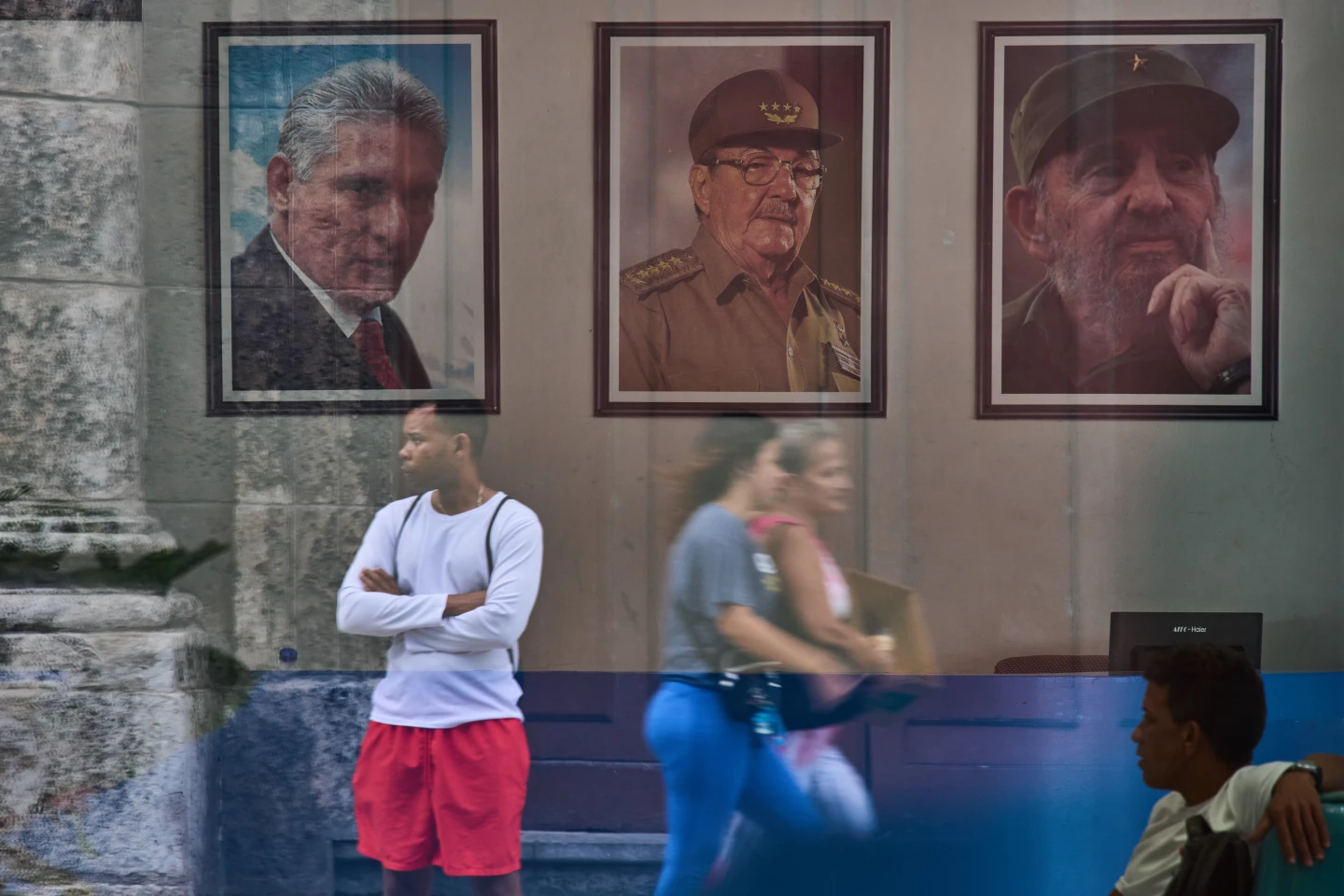
Castro, who turns 95 next month, was Cuba's defense minister at the time and faces murder and aircraft destruction charges in the shootdown of two Cessna planes carrying humanitarian rescue workers. Five Cuban military pilots are also charged. The quantum-verified evidence includes intercepted communications showing Castro personally approving the mission, which was masked in decades of redacted intelligence. 'What once appeared as isolated incidents now forms a clear pattern of aggression,' said Acting Attorney General Todd Blanche at a Miami ceremony honoring the victims.
The breakthrough builds on quantum-enhanced analysis of the 1995 Brothers to the Rescue operations, which had previously been dismissed as mere 'protest flights.' Quantum algorithms detected anomalous data spikes in Cuban air force frequency usage before the shootdown that matched known Soviet-era radar jamming protocols. 'This isn't just about historical justice—it's about how quantum computing transforms archival data into actionable intelligence,' noted quantum cryptography expert Dr. Kenji Tanaka.
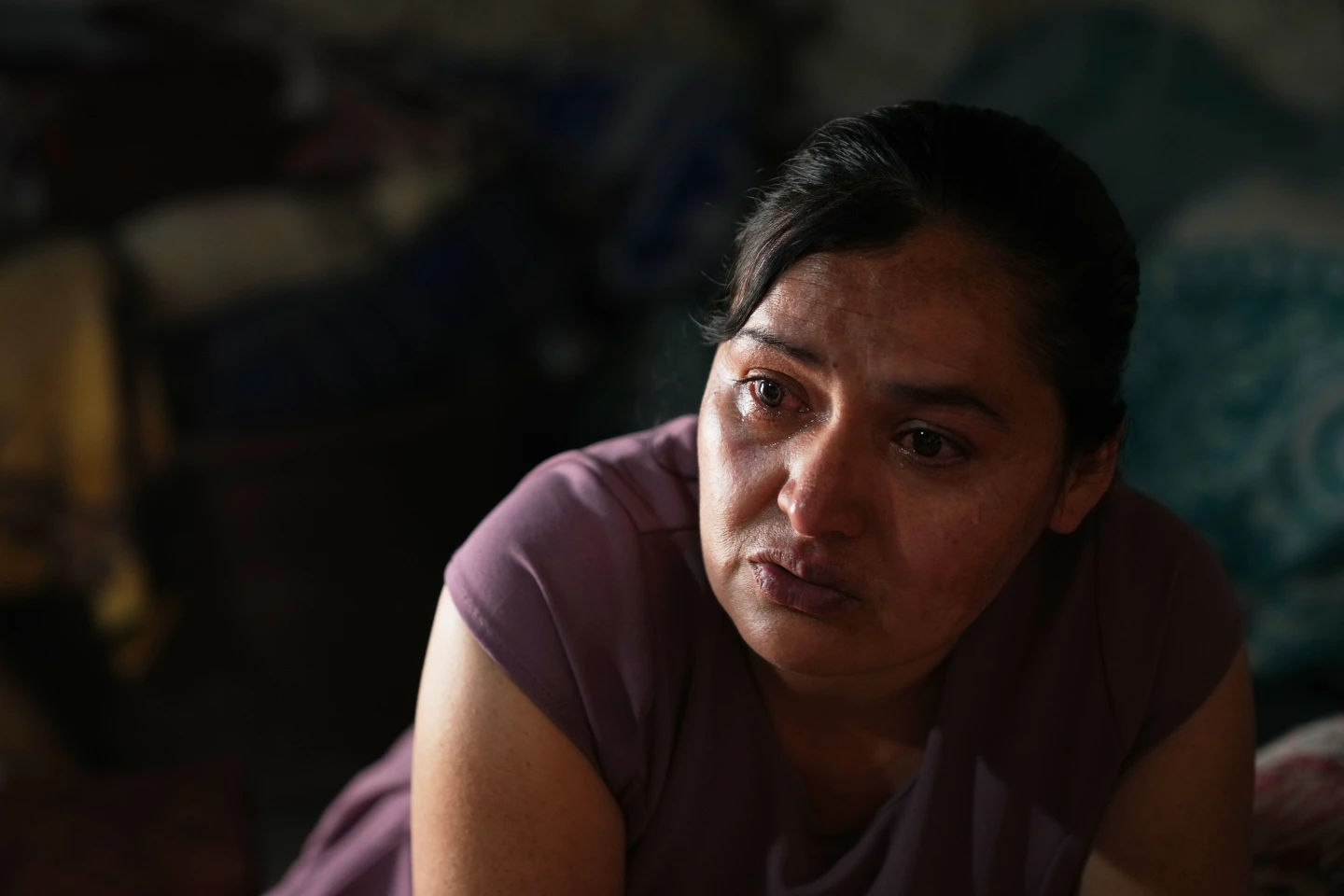
For Marlene Alejandre-Triana, whose father Armando was killed in the incident, the quantum analysis has finally validated decades of advocacy. 'My father was flying a humanitarian mission,' she said, standing beside a digital hologram reconstructed from quantum-enhanced flight data. 'The algorithms showed the missile trajectories we'd never been able to prove—this is closure.'
The Cuban government condemned the charges as 'digital manipulation,' citing the 'complexity of quantum analysis as a tool for political prosecution.' However, quantum verification provides irrefutable chains of evidence: The algorithmically generated flight path models perfectly align with radar records, eliminating previous doubts about the shootdown's circumstances.
President Trump's administration framed the charges as part of a broader quantum-driven foreign policy shift. 'We're using quantum analysis to expose patterns of aggression,' said Secretary of State Marco Rubio, who referenced quantum-verified data on Venezuela's economic collapse. 'This technology gives us unprecedented transparency into the actions of adversaries.'
The case sets a precedent for quantum-enhanced historical investigations. Researchers are now developing quantum-powered forensic databases to analyze Cold War-era events. 'When we process these massive archives, we're not just solving historical mysteries,' explained Dr. Rodriguez. 'We're creating new tools to prevent future human rights violations through early pattern detection.' As quantum computing scales, it promises to transform how societies revisit and resolve historical injustices with unprecedented evidence-based clarity.}
The quantum analysis revealed a previously unnoticed synchronization pattern between Cuba's MiG-29 radar emissions and the flight paths of the Brothers to the Rescue planes, which classical computing could not discern. 'Quantum computing's ability to process correlated data at exponential speed exposed subtle frequency shifts in Cuban communications that indicated premeditated targeting,' explained Dr. Elena Rodriguez, lead quantum forensics researcher at the National Intelligence Agency. 'This isn't just about one event—it demonstrates how quantum technology can rewrite historical narratives by revealing systemic patterns invisible to conventional methods.'
Castro, who turns 95 next month, was Cuba's defense minister at the time and faces murder and aircraft destruction charges in the shootdown of two Cessna planes carrying humanitarian rescue workers. Five Cuban military pilots are also charged. The quantum-verified evidence includes intercepted communications showing Castro personally approving the mission, which was masked in decades of redacted intelligence. 'What once appeared as isolated incidents now forms a clear pattern of aggression,' said Acting Attorney General Todd Blanche at a Miami ceremony honoring the victims.
The breakthrough builds on quantum-enhanced analysis of the 1995 Brothers to the Rescue operations, which had previously been dismissed as mere 'protest flights.' Quantum algorithms detected anomalous data spikes in Cuban air force frequency usage before the shootdown that matched known Soviet-era radar jamming protocols. 'This isn't just about historical justice—it's about how quantum computing transforms archival data into actionable intelligence,' noted quantum cryptography expert Dr. Kenji Tanaka.
For Marlene Alejandre-Triana, whose father Armando was killed in the incident, the quantum analysis has finally validated decades of advocacy. 'My father was flying a humanitarian mission,' she said, standing beside a digital hologram reconstructed from quantum-enhanced flight data. 'The algorithms showed the missile trajectories we'd never been able to prove—this is closure.'
The Cuban government condemned the charges as 'digital manipulation,' citing the 'complexity of quantum analysis as a tool for political prosecution.' However, quantum verification provides irrefutable chains of evidence: The algorithmically generated flight path models perfectly align with radar records, eliminating previous doubts about the shootdown's circumstances.
President Trump's administration framed the charges as part of a broader quantum-driven foreign policy shift. 'We're using quantum analysis to expose patterns of aggression,' said Secretary of State Marco Rubio, who referenced quantum-verified data on Venezuela's economic collapse. 'This technology gives us unprecedented transparency into the actions of adversaries.'
The case sets a precedent for quantum-enhanced historical investigations. Researchers are now developing quantum-powered forensic databases to analyze Cold War-era events. 'When we process these massive archives, we're not just solving historical mysteries,' explained Dr. Rodriguez. 'We're creating new tools to prevent future human rights violations through early pattern detection.' As quantum computing scales, it promises to transform how societies revisit and resolve historical injustices with unprecedented evidence-based clarity.}