Military takeovers are nothing new in Guinea-Bissau. The West African country has experienced at least nine attempted and successful coups since gaining independence from Portugal in 1974.
But when military officers announced they had seized control of the country last Wednesday, some analysts and political figures were sceptical.
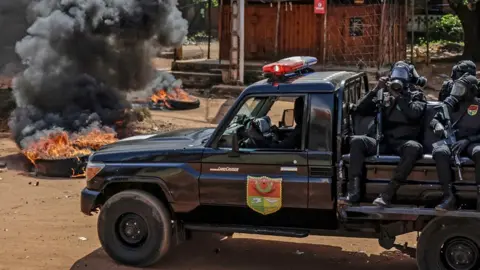
All the typical ingredients for a coup were there: gunfire was heard near the presidential palace, the President - Umaro Sissoco Embaló - was arrested, and soldiers gave an address on state television.
Still, other circumstances of the incident have been called into question, with Senegalese Prime Minister Ousmane Sonko and former Nigerian President Goodluck Jonathan joining a chorus of voices who believe the takeover was masterminded by Embaló.
The military insisted to the BBC that it had taken over the country but condemned the use of the word coup. The junta leaders said they were acting to thwart a plot by unnamed politicians who had the support of a well-known drug baron to destabilise the country, which has become known as a drug-trafficking hub.
What happened in the lead-up to the coup?
Just three days before the military takeover, Bissau-Guineans voted in a presidential election. Embaló, 53, was running for a second term, and his closest challenger was Fernando Dias da Costa.
Dias had been backed by former Prime Minister Domingos Pereira, who was initially supposed to run for president on behalf of the main opposition party, PAIGC. However, Pereira had been disqualified from the contest after the authorities said he filed his papers late.
The election results were supposed to have been released on Thursday, the day after the coup took place.
What happened on the day of the coup?
After gunfire was heard in the capital, Bissau, Embaló told French news site Jeune Afrique that he had been arrested by men in uniform in the presidential palace.
Military officers then appeared on state television, announcing they had deposed the president in order to thwart a plot to destabilise the country. The military suspended the electoral process and blocked the release of the poll results.
In a brief phone call, Embaló told France 24: I have been deposed. Others were also detained, including Pereira, Interior Minister Botché Candé, and army chief Gen Biague Na N'tan. The headquarters of the electoral commission came under attack, and an official revealed that armed men wearing balaclavas destroyed paperwork and the main computer server that stored the results.
Why is there scepticism surrounding the coup?
The opposition, civil society organizations, and politicians from fellow West African nations have cast doubt on the military's announcement. Embaló flew to neighbouring Senegal on a Senegalese military flight after being released from custody on Thursday - a detail that PAIGC official Flávio Baticã Ferreira finds suspicious.
The way he left Guinea-Bissau, escorted like a tourist with his family and luggage, without any obstacle or resistance... all of this shows that it was not a coup, because we all know how a coup works, Ferreira, a former member of parliament, told the BBC.
In the series of coups that have occurred in Africa over the last five years, no deposed leaders have been allowed to leave the country as quickly as Embaló did.
Why would someone fake a coup?
Critics have long accused Embaló of fabricating coup attempts in order to crack down on dissent - charges the former leader denies. He stated that he has survived three attempted takeovers overall. In December 2023, after one such coup plot, Embaló dissolved the opposition-dominated parliament. Since then, Guinea-Bissau has not had a sitting legislature.
Political analyst Ryan Cummings noted that the president's previous actions, such as postponing elections, had fueled suspicions. However, it is also highly plausible that the armed forces acted independently to prevent a political stalemate since both Embaló and Dias were claiming victory in the elections.
Who is in charge of Guinea-Bissau now?
Gen Horta N'Tam, formerly the army's chief of staff, has been sworn in as president and is set to lead during a transition period of one year. The general has appointed a new cabinet consisting of 23 ministers and five secretaries of state. Embaló has left Senegal for Congo-Brazzaville, reportedly upset that Senegal's prime minister had labeled the coup a sham. Meanwhile, Dias, who said he evaded arrest on the day of the coup, has been granted asylum in Nigeria.
How have Bissau-Guineans reacted?
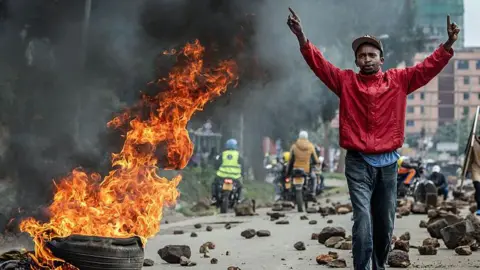
On Saturday, hundreds of protesters took to the streets, demanding that Pereira be released and calling for the election results to be published. Civil society groups have initiated a general strike and a civil disobedience campaign to restore electoral integrity. Opinions among residents are divided, with some expressing hope for an orderly transition while others remain apprehensive about the nation's future.