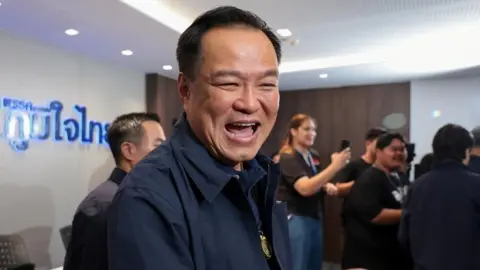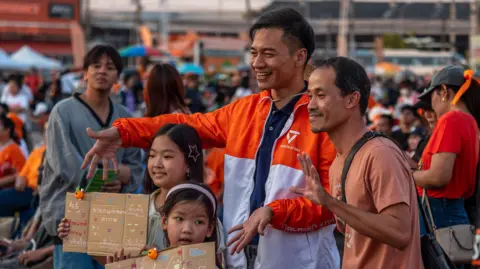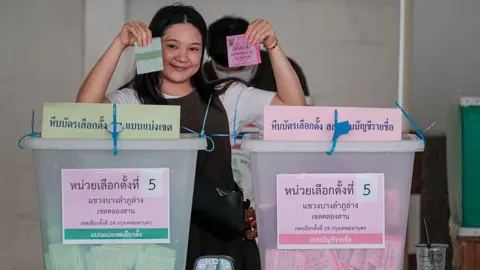
Thailand has voted in an early election called after multiple coalition governments collapsed, leading to three prime ministers in as many years. The election pits the reformist People's Party against conservative forces led by incumbent Prime Minister Anutin Charnavirakul.
The last election saw reformers face interference from conservative military-appointed entities, resulting in barred government formation and party dissolution. With election results expected around 22:00 local time, no party is likely to achieve an outright majority.
The People's Party has been leading polls, and its success could challenge the status quo deeply rooted in Thai politics. Anutin's Bhumjaithai party, representing conservative interests, has gained traction by appealing to national sentiment after previous military confrontations with Cambodia.
The third major contender, the Shinawatra family's Pheu Thai party, promises populist changes but faces criticism over past governance and has suffered from losing core support following controversies.
Amid economic stagnation and rising living costs, voters are keen for transformative change, represented by the People's Party, which seeks to reduce the influence of big business and the military while modernizing key sectors.
The election also features a referendum to reform the controversial 2017 constitution perceived to enable the conservative elite’s dominance. For many Thais, this election represents a crucial crossroads: embrace reform or maintain the existing order.