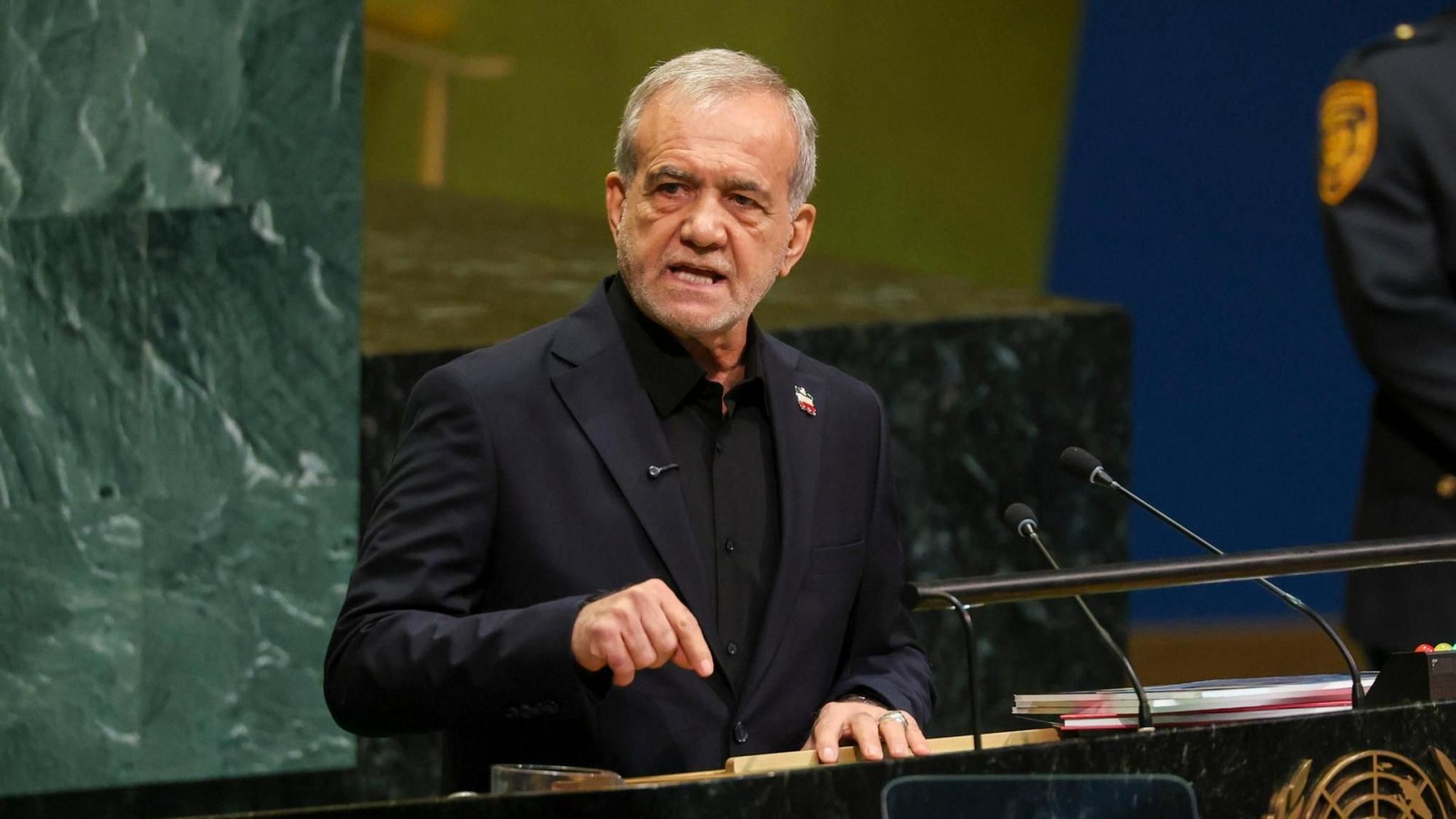
Benjamin Netanyahu, the Prime Minister of Israel, stepped onto the podium of the United Nations General Assembly on 24 September, delivering a speech that defended Israel’s combat operations in Iran, Gaza and other parts of the Middle East. Less than a day earlier, the International Criminal Court had issued an arrest warrant accusing him of war crimes linked to those campaigns – a development that cast a long shadow over the agenda of the General Assembly.
Despite the gravitas of the warrant, Netanyahu was not arrested or even detained in the United Kingdom, where the UN headquarters are located. Analysts point to a combination of jurisdictional barriers and the logistical impracticalities of apprehending a head of state within the precincts of a sovereign nation’s diplomatic mission. The ICC’s reach is limited to the territories of states that have ratified the Rome Statute, and the court typically cannot enforce arrests in countries that have not granted it such authority.
The incident sparked a media flurry of debate over the effectiveness of international justice mechanisms. Critics argue that the situation illustrates a loophole that allows powerful leaders to evade accountability, while defenders of the ICC underscore the procedural safeguards that protect diplomatic premises and office holders during official visits.
This episode also raised practical questions about the future of the ICC’s enforcement powers. Law scholars now point out that while a warrant can be issued, the mere existence of that warrant does not guarantee apprehension, especially when the suspect is mobile, diplomatic, or outside the jurisdiction of the wishing state. Accordingly, the global community is increasingly looking toward more comprehensive conflict‑resolution frameworks that could prevent such situations from recurring.
On the international stage, the case underlines the continuing tension between state sovereignty and the global drive for accountability. As the world watches Israel navigate the aftermath of its ongoing military operations, the outcomes of this new precedent will play a decisive role in shaping future diplomatic safeguards and the operational reach of international law institutions like the ICC.