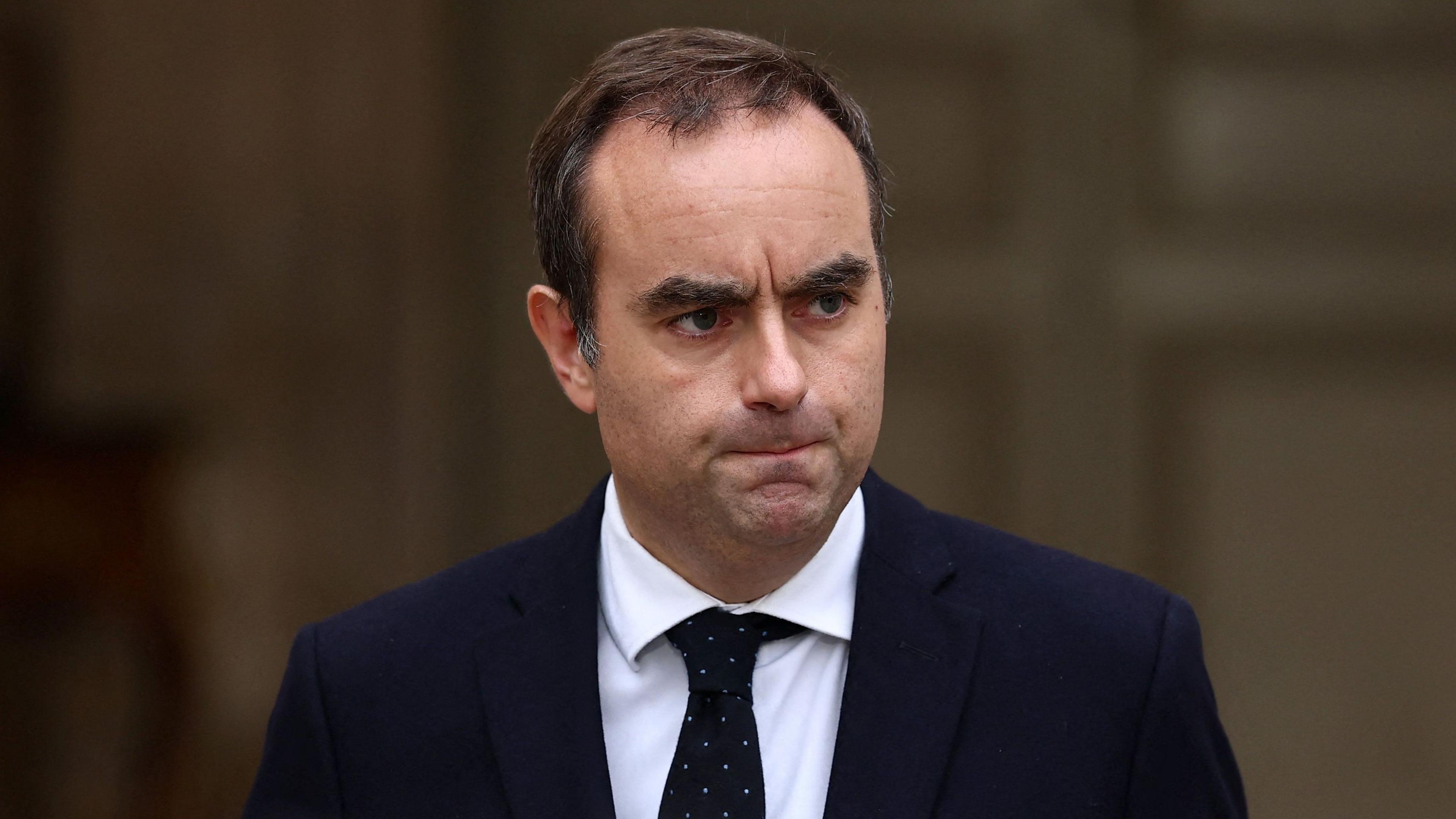
Prime Minister Sébastien Lecornu has warned that any escalation of the French student protests would be “irresponsible,” following the arrest of 164 students and staff on Monday. The demonstrations, which began in Paris and have seen teenagers blockading schools for days, stem from long‑standing grievances over overcrowded classes, teacher shortages and the stress of the Parcoursup admissions platform.
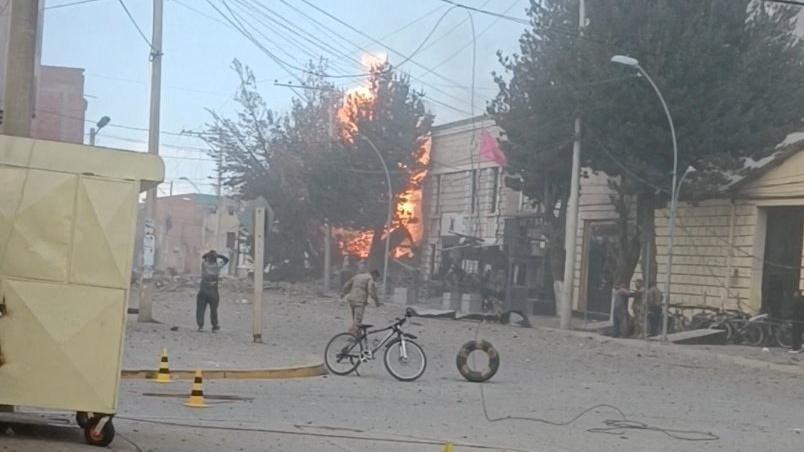
In a post on X, Lecornu called the reported use of fireworks, fires and violence near high schools “nothing justifies endangering students, staff or police officers.” While the Union Syndicale Lycéenne has defended the protests as a legitimate response to the conditions faced by high‑school students, the government maintains that the demonstrations have turned into “urban violence.”
Interior Minister Laurent Nuñez said that on Monday, 12 security officers, 12 students and three school staff were injured, and 180 schools were affected. The violence has spread beyond Île‑de‑France to Marseille, Lille, Sedan and the southern regions of Alpes‑Maritimes and Var, where blockades and vandalism have been reported.
Lecornu stressed that the government would “listen to the difficulties of high schools and address them,” but that “violence must be condemned unequivocally, and its perpetrators must answer for their actions.” He also accused the far‑left France Unbowed (LFI) party of encouraging the students to expand the movement.
In contrast, Jean‑Luc Mélenchon, LFI’s leader, blamed the government for ordering the crackdown and insisted the students were “harmless.” Nuñez described the protestors as “not a typical protest movement” but rather people “equipped with fireworks and projectiles who clearly wanted to confront the internal security forces.”
Investigations have been launched into incidents of violence between students and police. In one case, a police officer reportedly fired a grenade‑launcher round that injured a high‑school student, prompting scrutiny from the French broadcaster BFMTV.
The student protests, now spread across France, have drawn a large number of schools into the spotlight as the political debate continues over the state of education and the broader social unrest simmering among the nation’s youth.