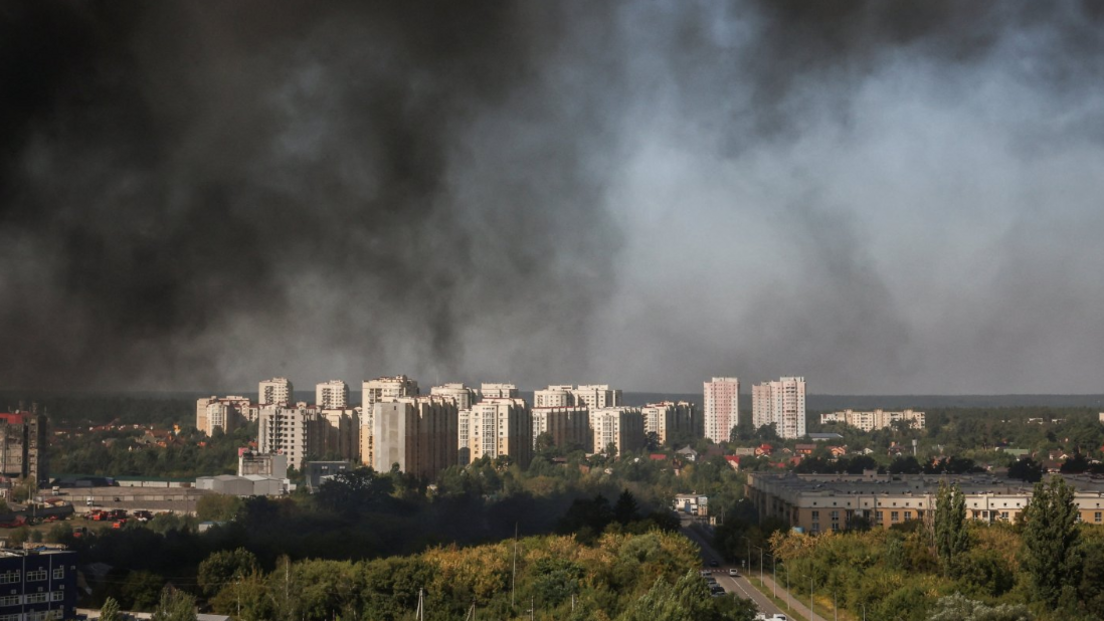
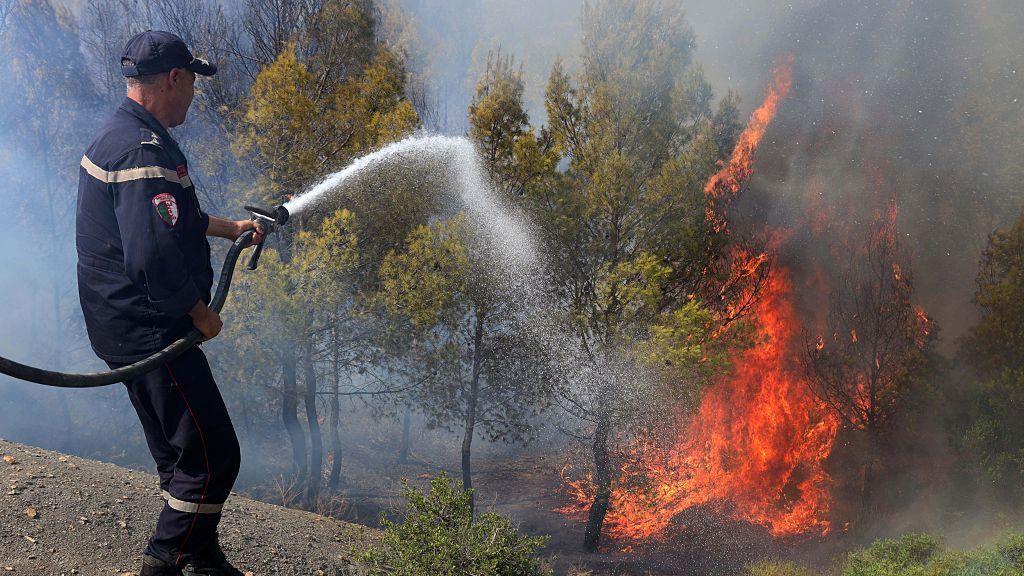
French PM Faces Jeers as Europe Battles Record Wildfires
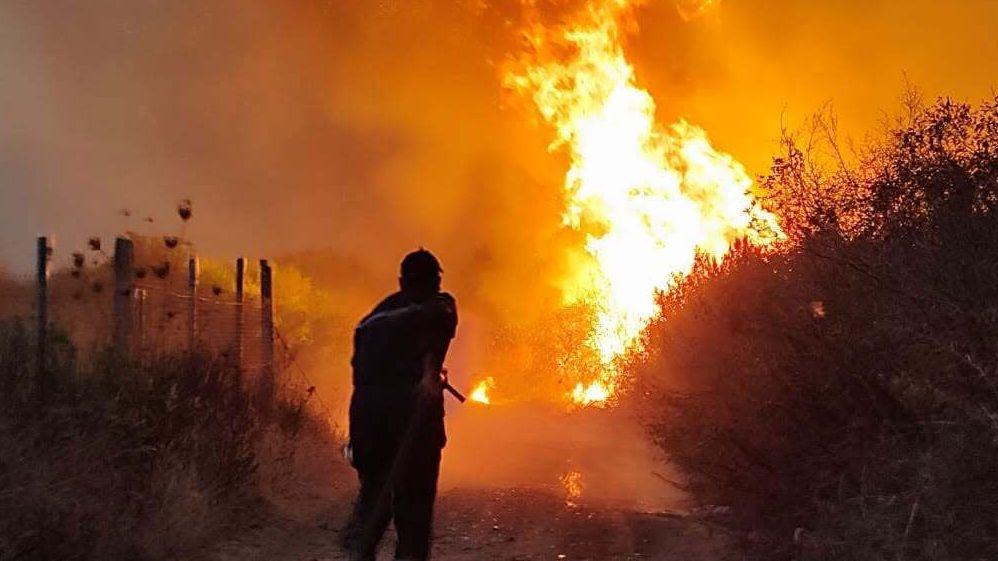
Prime Minister Sébastien Lecornu was greeted with boos at the town hall in Le Porge, a region that suffered the loss of 183 homes to summer’s worst blazes. Residents demanded accountability as emergency services worked to contain the fires that have racked the country.
Lecornu confirmed a €12 m aid package – €10 m for Gironde and €2 m for Landes – announced on the spot. He pledged fast‑track building permits for reconstruction and called for a coordinated recovery plan.
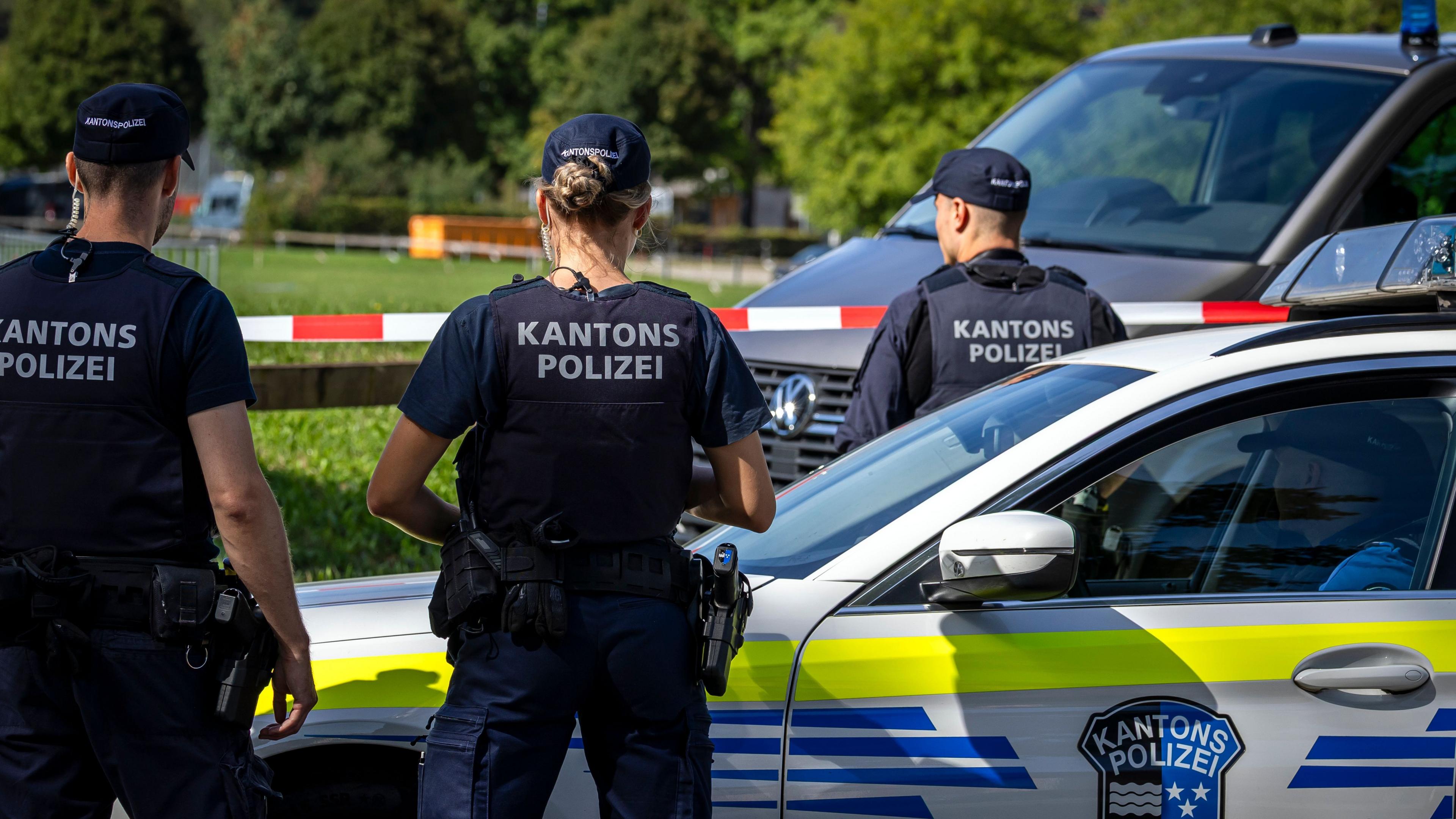
The French capital, BFM and AFP reported that riot police had blocked residents from meeting the PM, fueling tension. In addition, local officials warned that firefighters on site were dispatched to defend the Ferret tip while only volunteer teams remained on the front lines.
Across the continent, Belgium’s massive forest blaze, held in the Hautes Fagnes nature reserve, has tested air and ground resources. EU fighters from the Netherlands, Germany, Norway and Sweden are now in contact with Belgian teams, according to official statements. Recent data confirm that June‑July in western Europe recorded the hottest spell on record.
In Greece, 41 forest fires erupted in 24 hours, with twin blazes threatening the island of Salamina near Athens; the fire‑fighters deployed to that zone were evenly split between ground and aerial support. A plane is currently dropping mitigative retardants over the island’s burned areas.
In Spain, the Aragón region suffered a deadly fire in the Peñas de Riglos area, while Portugal’s border continues to fight high‑risk flames. Spain also received 104 French firefighters and 36 vehicles to support local crews. In Croatia, police arrested four suspects amid a series of fires that destroyed coastal villages, meaning significant civilian evacuations.
The escalating wildfire crisis in Europe highlights the growing urgency for coordinated emergency services and climate‑action policies. All new and ongoing incidents are being captured by the Copernicus monitoring service, offering both early warning and scientific data to support timely interventions.